The white cast is physics, not a formulation failure. These are ranked by how well each one solves it, and by whether the bottle is big enough to apply properly.
By Sawyer V. · Published September 8, 2026 · Last updated September 8, 2026
The short answer
The best mineral sunscreen is the one you will apply at the tested quantity — about a third of a teaspoon for the face — every day. For deeper skin tones that almost always means a tinted formula with iron oxides, which also adds visible-light protection.
Disclosure: Glow & Gild earns a commission when you buy through links on this page, at no extra cost to you. It does not change which product we recommend, and no brand pays for placement here. Read the full disclosure.
Best Mineral Sunscreen
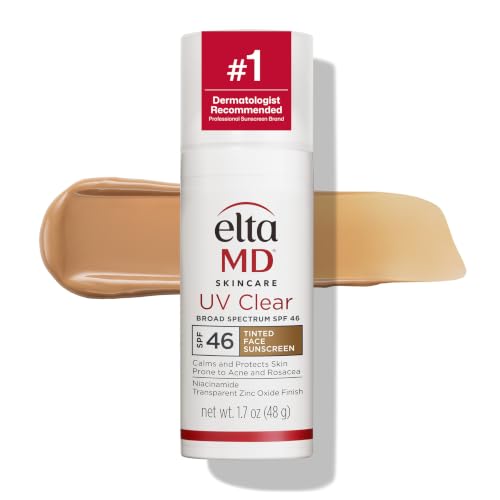
EltaMD UV Physical Broad-Spectrum SPF 41
Tinted mineral for reactive and post-procedure skin
Amazon price as of October 23, 2026, 03:12 UTC — details
How We Picked
We ranked on how each formula handles the white cast, then on texture, then on volume relative to price — because the single biggest driver of real-world protection is applying enough, and a small expensive tube guarantees you will not. Tested SPF and broad-spectrum status were a threshold rather than a ranking factor.
Everyone in this category says they tested twenty of these. We have not tested any, and we say so. What we did instead: compiled the published concentrations and ingredient lists, checked each claim against what the formula can actually support, and wrote down who each product is wrong for. The full method is published so you can check it.
Quick Picks
The short answer, by buyer. Select any row for the full write-up.
#
Product
Best for
Where to buy
1
EltaMD UV Physical Broad-Spectrum SPF 41Iron oxide tinting is the correct fix for the mineral sunscreen problem rather than a cosmetic afterthought, and the visible-light protection it adds matters specifically for melasma..
Tinted mineral for reactive and post-procedure skin
Amazon price as of October 23, 2026, 03:12 UTC — details
2
Blue Lizard Sensitive Mineral Sunscreen SPF 50+The tested SPF assumes an application amount most people never reach, and bottle size relative to price is the biggest driver of whether they do.
Amazon price as of October 23, 2026, 03:12 UTC — details
3
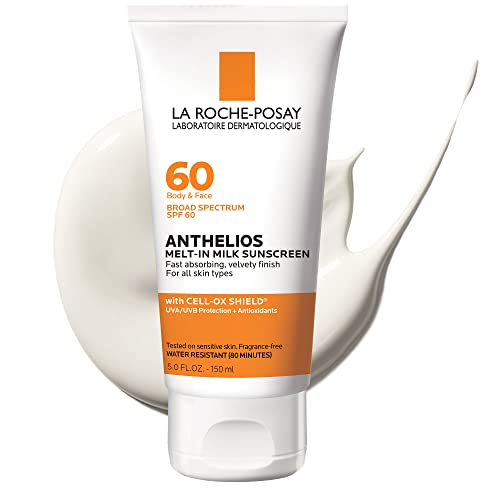
La Roche-Posay Anthelios Mineral Tinted Ultra-Light Fluid SPF 50The most common complaint about mineral sunscreen after white cast is weight, and a fluid texture is the strongest answer to it.
Amazon price as of October 23, 2026, 03:12 UTC — details
4
CeraVe Hydrating Mineral Sunscreen SPF 30 Face LotionFor anyone whose reason for choosing mineral is a reactive or compromised barrier, having ceramides and niacinamide in the same product removes a step and makes the sunscreen part of the repair routine rather than a burden on it..
Amazon price as of October 23, 2026, 03:12 UTC — details
#ad — buying through these links earns us a commission at no cost to you. Prices come from Amazon’s own product data and show the date they were checked; without a current one, the button says check price.
The Variable That Beats Every Other Variable
Before any product comparison: the SPF number on a bottle is measured at 2 mg per square centimeter, which works out to roughly a third of a teaspoon for a face and neck. Most people apply somewhere between a quarter and a half of that.
Protection does not fall off proportionally with under-application — it falls off faster. An SPF 50 applied thinly can behave closer to an SPF 15. That single fact outweighs every difference between the products on this page.
Two finger-lengths of product for the face is the usual shorthand. For a full body, roughly a shot glass — about 30 ml — per application, which means a 100 ml bottle lasting a whole summer is a bottle being used at a fraction of its tested dose.
White Cast, and the Actual Fix
Zinc oxide scatters visible light as well as ultraviolet, which is what produces the whitish film. It is physics rather than a formulation failure, and it is the single reason mineral sunscreen has an adoption problem on deeper skin tones.
Iron oxide tinting is the real answer. It neutralizes the whiteness and adds protection against visible light, which matters specifically for melasma.
Smaller particle sizes reduce the cast at some cost to UVA breadth. Most modern formulas already do this.
Higher percentages always mean more cast. A 22% zinc formula will be more visible than a 12% one, whatever else changes.
Hybrid formulas combine zinc oxide with chemical filters to reach UVA breadth at a lower zinc load. Common outside the US and increasingly available within it.
If you have a deeper skin tone, a tinted mineral or a hybrid formula is not a compromise — it is the correct product. The trade-off in full is in chemical vs. mineral sunscreen, and the filter mechanism is on the zinc oxide monograph.
What to Look For When Choosing Your Own
Broad spectrum and SPF 30 or higher, tested. This is a threshold, not a ranking.
Iron oxides on the ingredient list if you have a deeper skin tone or are treating melasma.
A volume you will use generously. Bigger is genuinely better here.
A texture you will wear daily. The best filter in a product you dislike protects nobody.
Fragrance-free, particularly for post-procedure or reactive skin, which is the main reason to choose mineral in the first place.
One thing not to worry about: nano versus non-nano. Published assessments have not found nano zinc oxide penetrating intact skin from sunscreen lotions. The caution that does exist concerns inhalation, which is why spray formats attract more scrutiny than creams.
Premium Beauty listing
1 — Tinted mineral for reactive and post-procedure skin
EltaMD UV Physical Broad-Spectrum SPF 41
What’s in it
Published as a 100% mineral filter system using zinc oxide and titanium dioxide
Tinted with iron oxides, which offsets the cast and adds visible-light protection
Fragrance-free and formulated for post-procedure use
Iron oxide tinting is the correct fix for the mineral sunscreen problem rather than a cosmetic afterthought, and the visible-light protection it adds matters specifically for melasma.
Who it’s not for
Anyone whose skin tone falls outside the single available shade, and anyone with very oily skin. It is one shade, and the texture sits on the rich side of the category.
Published as a mineral-only formula using zinc oxide and titanium dioxide
Fragrance-free with no chemical UV filters
Sold in large bottles, which makes generous application realistic
The tested SPF assumes an application amount most people never reach, and bottle size relative to price is the biggest driver of whether they do. This is protection you will actually apply properly.
Who it’s not for
Anyone wearing it under makeup on a deeper skin tone. This is an untinted high-percentage mineral formula, and the white cast is real — which is exactly why the tinted options exist.
La Roche-Posay Anthelios Mineral Tinted Ultra-Light Fluid SPF 50
What’s in it
Mineral filter system with iron oxide tint, published as 100% mineral
Fluid rather than cream texture, the lightest format in the mineral category
Fragrance-free, pump bottle
The most common complaint about mineral sunscreen after white cast is weight, and a fluid texture is the strongest answer to it. Tinted as well, so it solves both problems at once.
Who it’s not for
Dry skin in winter. A fluid texture with a mineral filter load can feel drying on skin that is already tight, and it needs a proper moisturizer underneath rather than instead of one.
CeraVe Hydrating Mineral Sunscreen SPF 30 Face Lotion
What’s in it
Mineral filter system with zinc oxide and titanium dioxide
Formulated with ceramides, niacinamide and hyaluronic acid
Fragrance-free, widely available at drugstore pricing
For anyone whose reason for choosing mineral is a reactive or compromised barrier, having ceramides and niacinamide in the same product removes a step and makes the sunscreen part of the repair routine rather than a burden on it.
Who it’s not for
Deeper skin tones. This is untinted, and at SPF 30 with a full mineral filter load the cast is noticeable — one of the tinted picks is the right choice instead.
Mineral sunscreen powders used as your only sun protection
Brush-on SPF powders are genuinely useful for reapplying over makeup partway through the day, and they are close to useless as a primary sunscreen. The tested SPF on a powder assumes a quantity of product nobody applies with a brush — you would need to build up a visible, opaque layer to reach it. Used as a top-up over a properly applied lotion they are a reasonable convenience. Used as the only thing between you and the sun, they produce a false sense of protection, which is worse than no sunscreen at all because it changes behavior. Buy one if you want the reapplication option; do not let it replace the step underneath.
Frequently Asked Questions
About a third of a teaspoon, or two finger-lengths, for face and neck. Most people apply a quarter to a half of that, and protection falls off faster than proportionally when you under-apply.
Buy a tinted formula with iron oxides. It neutralizes the whiteness and adds visible-light protection, which is useful for melasma as well.
Not inherently. Mineral suits reactive and post-procedure skin; chemical filters are lighter and easier to wear generously. The best one is the one you apply properly every day.
Published assessments have not found nano zinc oxide penetrating intact skin from sunscreen lotions. The caution that exists concerns inhalation, which is why sprays get more scrutiny than creams.
UVA penetrates window glass, and visible light contributes to melasma. If you sit near a window, or spend any part of the day outside, daily use is the sensible default.
By Sawyer V.. An enthusiast who’s genuinely into this: I read the manufacturer documentation, compile the published percentages, and do the arithmetic. No lab coat.
What I don’t do: test products, accept free product, or accept payment for placement. I hold no clinical credential and don’t claim one. How we pick.
Published September 8, 2026 · Last updated September 8, 2026