The Short Answer
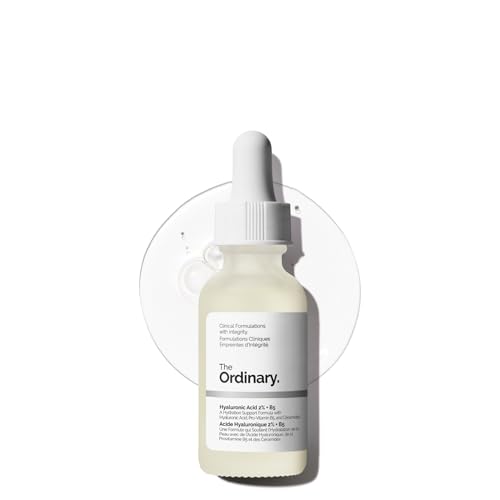
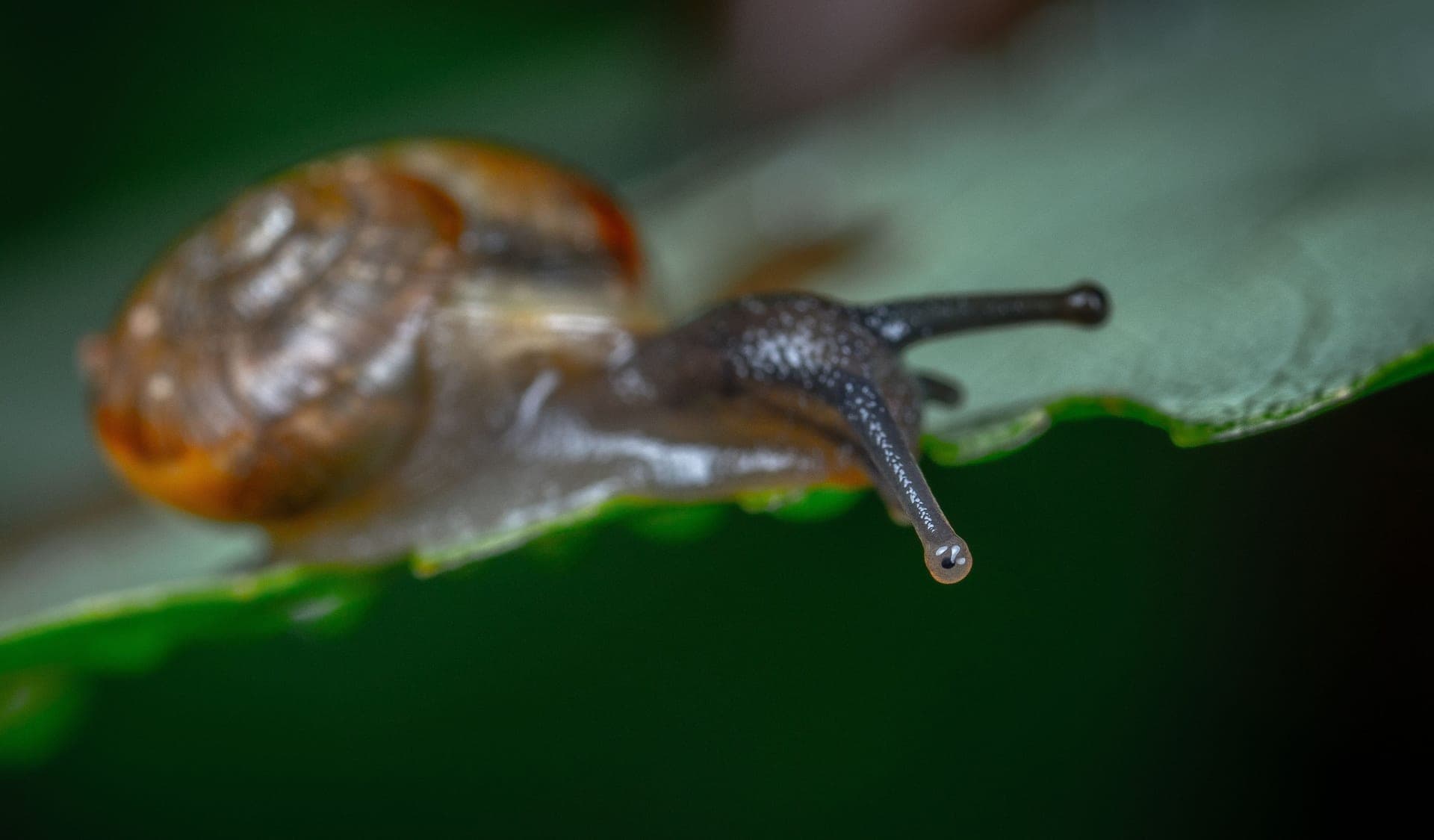
Hyaluronic acid is a humectant: it holds water against the skin and, if you seal it in, leaves the surface plumper and smoother. That is the whole job, and it does it reliably. Snail secretion filtrate contains hyaluronic acid among other things, plus glycoproteins, glycosaminoglycans, allantoin, trace glycolic acid and zinc, and it has published work behind barrier recovery as well as hydration.
| What you want | Pick | Why |
|---|---|---|
| Pure, predictable hydration | Hyaluronic acid | One molecule, known behavior, cheap |
| Hydration plus barrier recovery | Snail mucin | The filtrate has a repair literature behind it |
| A vegan routine | Hyaluronic acid | Snail mucin is animal-derived, full stop |
| Skin recovering from over-exfoliation | Snail mucin | Soothing film plus barrier support |
| The cheapest effective option | Hyaluronic acid | Drugstore serums cost a few dollars |
| A slippery, cushioned texture you enjoy | Snail mucin | It is the reason the category has fans |
How They Actually Differ
| Snail mucin | Hyaluronic acid | |
|---|---|---|
| What it is | Filtered snail secretion, a mixture | A single glycosaminoglycan |
| Composition published | No — varies by species and processing | Yes, including molecular weight |
| Hydrates | Yes | Yes |
| Barrier repair evidence | Modest but real | Indirect, via hydration only |
| Vegan | No | Yes, when biofermented |
| Typical price | Mid | Low |
| Texture | Slippery, film-forming | Watery to slightly tacky |
The percentage numbers on snail products — 92%, 96%, 97% — describe how much of the formula is filtrate, not how concentrated that filtrate is. Species, harvesting and processing all vary and none of it is disclosed, so two products at the same percentage are two unknowns. Hyaluronic acid labels are more informative: molecular weight distribution is the thing that matters and good brands publish it.
Who Each One Suits
- Hyaluronic acid suits almost everyone, any budget, any skin type, and any routine that needs hydration without another variable.
- Snail mucin suits dehydrated and recovering skin, and anyone who likes a cushioned layer under a moisturizer.
- Vegans and anyone with welfare concerns should use hyaluronic acid or polyglutamic acid — the hydration is genuinely comparable.
- Fungal-acne-prone skin should read the whole ingredient list rather than the headline: the emollients around the filtrate are the usual culprits, not the filtrate itself.
- Anyone with a mollusc allergy should patch test, even though cross-reactivity is not established.
The honest summary is that neither is a treatment. If your complaint is lines, pigment or acne, hydration will make skin look better for a day and change nothing in three months. The actives that change things are covered in starter actives.
Running Both
- They are largely redundant, not conflicting. Snail mucin already contains hyaluronic acid.
- If you use both, thinner first: hyaluronic acid serum, then the snail essence, then moisturizer.
- Apply to damp skin, because humectants work with available water rather than creating it.
- Seal with a moisturizer every time. This is the step people skip and then blame the serum.
- In dry winter air, favor the occlusive over another humectant layer — see best moisturizer for dry skin.