The Comparison, in One Table
| Polyglutamic acid | Hyaluronic acid | |
|---|---|---|
| Listed as | Sodium polyglutamate, polyglutamic acid | Sodium hyaluronate, hyaluronic acid |
| Source | Produced by fermentation | Produced by fermentation; also occurs in skin |
| What it does | Humectant that forms a film on the surface | Humectant; smaller forms sit in the upper skin |
| Feel | Cushioning, slightly tacky | Light, can feel sticky at high levels |
| Published evidence | Limited, mostly supplier data | Extensive |
| Price and availability | Fewer products | Everywhere, at every price |
The Water-Holding Claim
Polyglutamic acid is often marketed as holding several times more water than hyaluronic acid. That figure traces back to ingredient-supplier material rather than independent head-to-head studies on human skin, and a molecule's water-binding capacity in a lab does not translate directly into how hydrated your face feels.
What can be said fairly: both are effective humectants, polyglutamic acid is a very large molecule that sits on the surface and forms a film, and that film can help reduce water loss and give a plump, cushioned feel. Hyaluronic acid comes in different molecular sizes, and the smaller ones sit a little deeper in the upper layers of the skin. The ingredient in depth: hyaluronic acid monograph.
Using Them Together
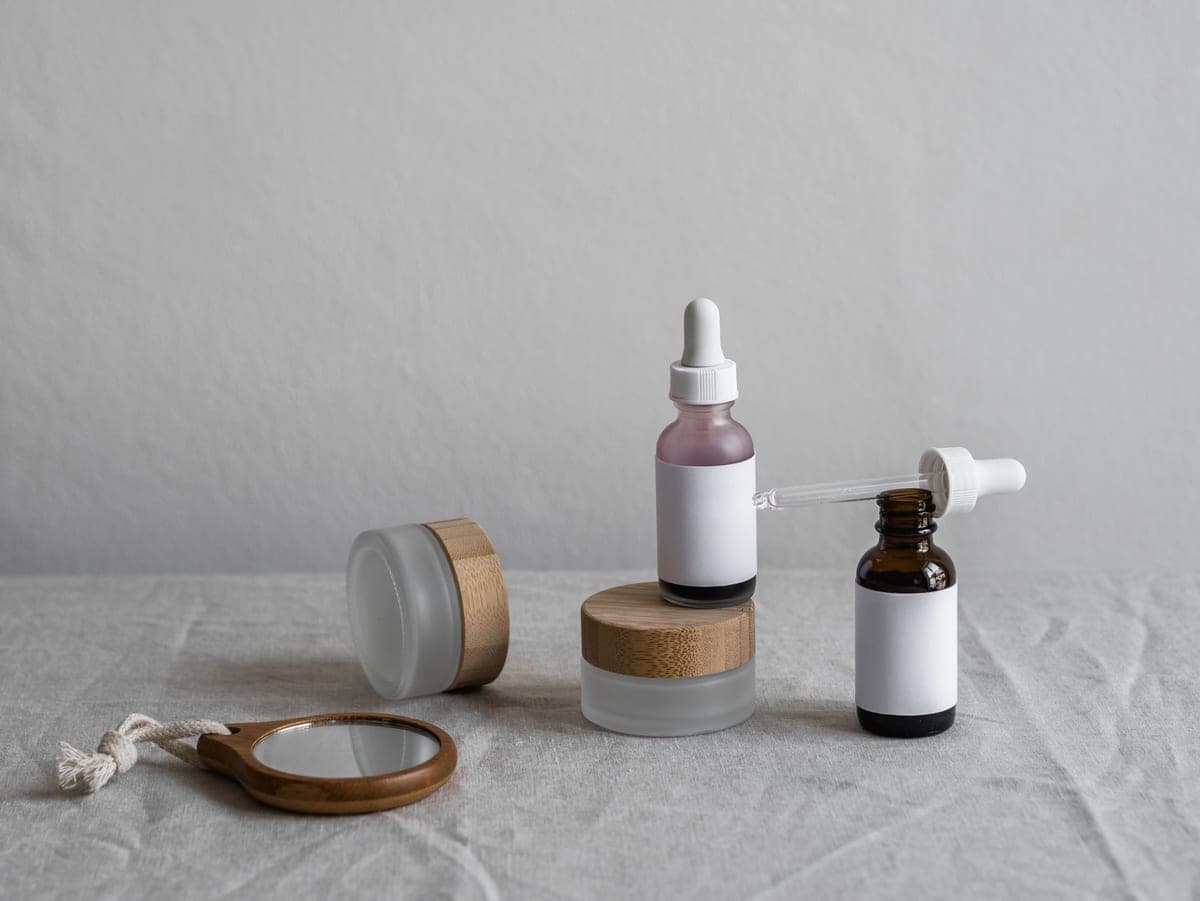
Because they work in slightly different ways, the two combine well — hyaluronic acid first on damp skin, polyglutamic acid over it, then moisturizer. Some serums already contain both. If you only buy one, hyaluronic acid is the better-evidenced and cheaper starting point; the full roundup is at best hyaluronic acid serums.
A Hydration Routine That Uses Them Well
- Cleanse gently, and leave your skin slightly damp.
- Apply hyaluronic acid while the skin is still damp, so it has water to hold.
- Layer polyglutamic acid over it if you use both.
- Seal with a moisturizer. This is the step that keeps the water in.
- Finish with sunscreen in the morning.
Two limits are worth knowing. Humectants add water, but they do not repair a damaged barrier — for that, a ceramide moisturizer does more. And stacking several watery layers can make later products pill or roll off; if that happens, drop a layer rather than adding more.