The Comparison, in One Table
| Niacinamide | Hyaluronic acid | |
|---|---|---|
| Category | Active — changes skin function | Humectant — holds water at the surface |
| Effect duration | Cumulative over weeks; persists | Temporary; resets daily |
| Addresses | Barrier lipids, sebum, pigment, redness | Surface dehydration, fine dehydration lines, plumpness |
| Time to result | 2 weeks barrier, 4 to 8 oil, 12 pigment | Immediate, and gone by tomorrow |
| Needs anything over it? | No | Yes — a moisturizer, or it can work against you |
| Fixes dry skin? | Partly, by improving barrier lipids | No — dry skin lacks lipids, not water |
The last row is the one that matters most and the one most often misunderstood. Dehydrated skin lacks water; dry skin lacks lipids. Hyaluronic acid addresses the first and does nothing for the second.
Why These Get Compared At All
They sit at the same shelf position, in the same bottle format, at the same price, both described as hydrating serums. That is the entire reason, and it is a marketing artefact rather than a similarity.
Niacinamide is genuinely hydrating in a second-order way: by increasing the skin's own barrier lipids, it reduces water loss over weeks. Hyaluronic acid is hydrating in a first-order way: it binds water molecules and holds them at the surface today.
That difference in timescale is the useful distinction. Niacinamide changes what your skin does. Hyaluronic acid changes how your skin is right now and resets by tomorrow.
When Niacinamide Is the Priority
Almost always, if you have to choose one. It does more, and the effects persist rather than resetting daily.
Specifically: oily or congested skin (sebum regulation), a struggling barrier (ceramide production), post-acne marks (pigment transfer), and any routine containing a retinoid or acid (tolerance support). None of those are things hyaluronic acid touches.
It is also cheaper, has no adjustment period, and layers under anything without a technique requirement.
When Hyaluronic Acid Is the Priority
Your skin is dehydrated rather than dry. Tight, dull, with fine lines that appear and disappear depending on the day. That is a water problem, and it is what a humectant is for.
You want an immediate cosmetic effect. Hyaluronic acid plumps fine dehydration lines within minutes, and it makes makeup sit better. Niacinamide does nothing on that timescale.
You are using drying actives and want a hydration step that adds no oil. This is a real and common use case.
Using Both
- Hyaluronic acid first, on damp skin after cleansing.
- Then niacinamide. It is pH-tolerant and stable, so the order is flexible, but water-light before water-heavier is the general rule.
- Then moisturizer, which is what makes the humectant work rather than work against you.
- Then sunscreen in the morning.
- Or simplify: a moisturizer containing both, which is extremely common and removes two steps.
If your skin is genuinely dry rather than dehydrated, add ceramides — the lipids that neither of these ingredients supplies.
A Pick for Each Side
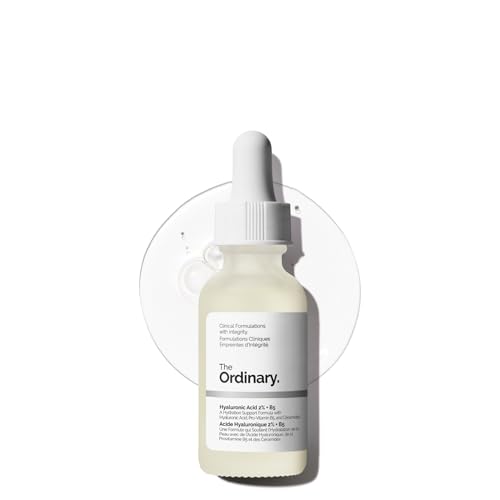
One of each, both cheap enough that owning both is the sensible outcome.