What Urea Actually Does
Urea is not a borrowed ingredient. It is already present in the stratum corneum as part of natural moisturizing factor - the mix of small water-binding molecules that keeps the outer layer pliable. Skin that is chronically dry has measurably less of it, which is the rationale for putting it back.
At low concentrations it behaves like any humectant: it binds water in the upper layers and keeps them flexible. What makes urea unusual is what happens as you increase the dose. Above roughly 10% it starts to disrupt the bonds between corneocytes - the flattened cells of the outer layer - which loosens and sheds thickened, scaly skin rather than merely softening it. That is a keratolytic effect, and it is the reason the same ingredient appears in both a gentle hand lotion and a product for dissolving callus.
The Percentage Bands
| Strength | What it does | Where it belongs | Example |
|---|---|---|---|
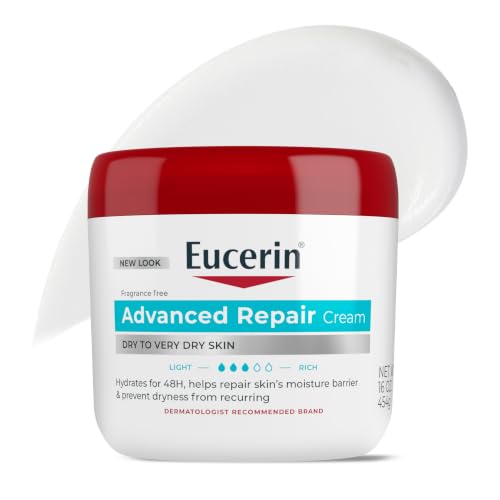
| 2-5% | Humectant only | Face, hands, daily body lotion | Eucerin Advanced Repair, JUMISO 5% face cream |
| 10% | Humectant with mild smoothing | Very dry body skin, shins, elbows | Most European urea body lotions |
| 20% | Keratolytic | Rough, bumpy or thickened skin | Cetaphil Rough & Bumpy 20% |
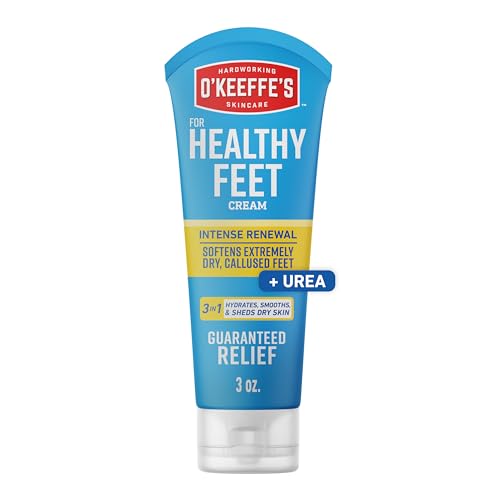
| 40% | Strongly keratolytic | Heels and calluses only | PurOrganica Urea Cream 40% |
- 5% on the face is fine. It is a humectant at that strength and sits alongside glycerin and hyaluronic acid without issue.
- 10% is the sweet spot for body skin that is dry rather than rough - shins in winter, forearms, anywhere that flakes.
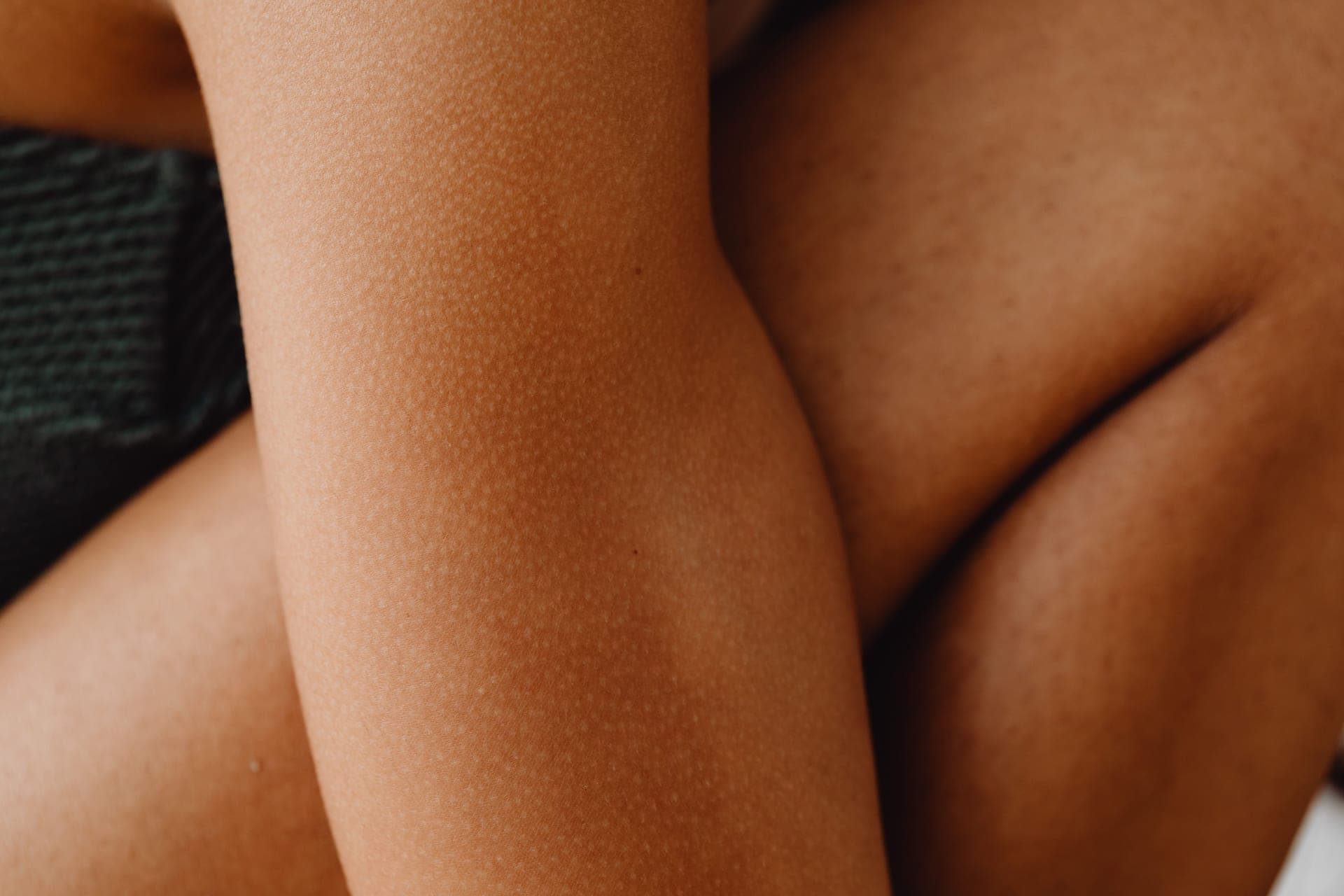
- 20% is the band for keratosis pilaris and for the rough, bumpy texture on upper arms and thighs. The American Academy of Dermatology names urea among the ingredients worth looking for in that case.
- 40% is feet, and nothing else. It is used to soften and debride callus and thickened nails. On thin skin it is an irritant, not a treatment.
Urea or an Acid?
At keratolytic strengths urea competes with lactic acid and salicylic acid for the same jobs. The differences are practical rather than dramatic.
| Urea 20-40% | Lactic acid 10-12% | Salicylic acid 2% | |
|---|---|---|---|
| Mechanism | Breaks corneocyte bonds and holds water | AHA; loosens surface bonds | BHA; oil-soluble, works in the follicle |
| Also hydrates | Yes, significantly | Yes, mildly | No |
| Sun sensitivity | No | Yes | Minimal |
| Best on | Thickened, scaly skin; heels; KP | Rough body skin, general texture | Congested follicles, body acne |
| Stings on cracked skin | Yes, noticeably | Yes | Mildly |
The practical answer for most people is that urea is the better choice where the skin is both dry and thickened, because it is the only one of the three that does both jobs at once. For keratosis pilaris specifically, products combining urea with lactic acid are common and sensible - our keratosis pilaris guide covers the full routine.
How to Use It
- Apply to damp skin after showering. Urea is a humectant and needs water available to bind.
- For 20% and 40% products, give them time. Keratolytic softening of thickened skin takes two to four weeks of daily use, not one application.
- Do not apply high-strength urea to cracked or fissured skin. It will sting sharply, and the fissures need an occlusive first.
- On feet, apply at night and cover with a sock. The occlusion is doing as much work as the urea.
- Keep it off the face above 10%, and off mucous membranes entirely.
One more practical point: urea products often smell faintly of ammonia, especially at high strengths. That is the ingredient, not spoilage. It is also why some formulations are heavily fragranced, which makes them a poor choice for reactive skin - the fragrance-free Eucerin and Cetaphil options below are the ones to reach for in that case.
Who It Suits
- Keratosis pilaris. The 20% band, daily, alongside a non-stripping body wash.
- Cracked heels and calluses. The 40% band at night under a sock. See our foot cream roundup.
- Winter body dryness. The 5-10% band in a daily lotion; this is where most people should start.
- Eczema-prone skin, carefully. Urea is widely used in dry-skin management, but it stings on actively broken skin. Our eczema guide covers the sequencing.
- Not: the face above 10%, and not anywhere skin is currently fissured or raw.