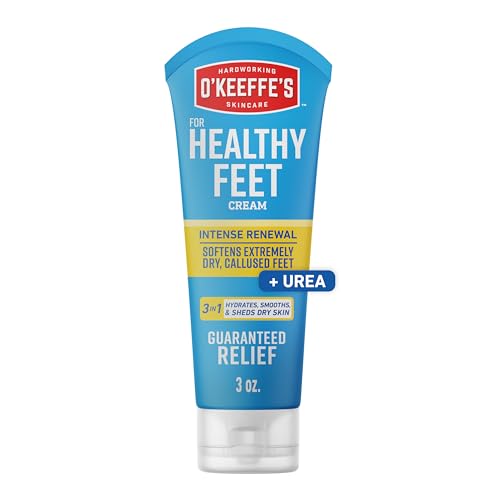
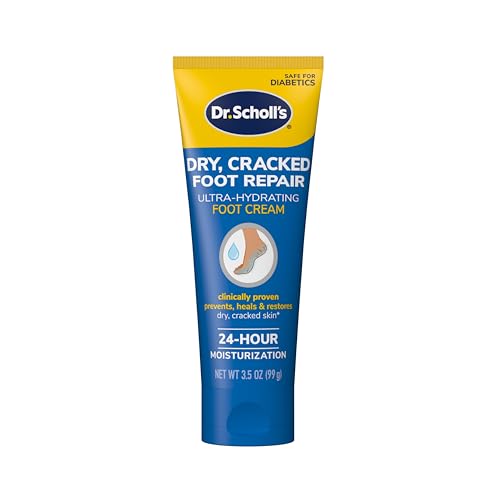
Heel skin is thicker than skin anywhere else on the body, which is why foot cream uses concentrations that would be reckless on a face.
By Sawyer V. · Published October 11, 2026 · Last updated October 11, 2026
The short answer
The verdict: buy on urea percentage. For everyday dry feet, 10-20% is enough — O'Keeffe's Healthy Feet at around $9 is the default. For genuinely cracked heels and calluses, go to 25-40%: Dr. Scholl's Severe Cracked Heel balm (25% urea) at about $7, or PurOrganica's 40% urea cream at about $16. Urea both hydrates and dissolves the bonds between hardened cells, which is why nothing else matches it on heels.
Disclosure: Glow & Gild earns a commission when you buy through links on this page, at no extra cost to you. It does not change which product we recommend, and no brand pays for placement here. Read the full disclosure.
How We Picked
We ranked on published urea percentage first, because it is the single variable that separates a foot cream from a hand cream in a bigger tube, then on format and price. Percentages and claims come from each brand or a major retailer. We have not tested these, and cracked heels that bleed or do not improve are a clinician's problem rather than a shopping one.
Everyone in this category says they tested twenty of these. We have not tested any, and we say so. What we did instead: compiled the published concentrations and ingredient lists, checked each claim against what the formula can actually support, and wrote down who each product is wrong for. The full method is published so you can check it.
Quick Picks
The short answer, by buyer. Select any row for the full write-up.
#
Product
Best for
Where to buy
1
O'Keeffe's Healthy Feet Intense Renewal CreamThe most widely used foot cream in the category and the sensible starting point: strong enough for rough heels, mild enough to use nightly without a plan..
Amazon price as of October 16, 2026, 03:15 UTC — details
4
Flexitol Heel BalmThe one most likely to be recommended behind a pharmacy counter, and a sensible alternative if O'Keeffe's texture does not suit you..
Amazon price as of October 16, 2026, 03:15 UTC — details
#ad — buying through these links earns us a commission at no cost to you. Prices come from Amazon’s own product data and show the date they were checked; without a current one, the button says check price.
Why Urea, and Why So Much of It
Urea is unusual among skincare ingredients because it does two different jobs depending on how much of it is present. At low concentrations it behaves as a humectant — a component of the skin's own natural moisturizing factor, drawing and holding water. At high concentrations it becomes keratolytic: it breaks down the bonds holding hardened, dead keratin together, so thickened skin softens and sheds.
Urea %
What it mainly does
Use it on
5-10%
Hydrates
Everyday dry skin, body and hands
10-20%
Hydrates and lightly softens
Dry feet without thick callus
20-30%
Softens hardened skin
Rough heels, early cracking
30-40%
Strongly keratolytic
Thick callus and deep heel cracks
40%+
Callus removal
Short, targeted courses only
This is why a foot cream is not just a thicker body lotion. The heel's stratum corneum is many times thicker than the skin on your face, and the concentrations in the bottom two rows would be far too aggressive almost anywhere else on the body. For body skin generally, body lotions and body butters are the right pages.
How to Actually Fix Cracked Heels
Apply at night, to slightly damp feet, straight after a shower while the skin is still soft.
Use more than feels sensible. Heel skin is thick; a thin smear does very little.
Put socks on over it. Occlusion is doing half the work — the same principle as an overnight lip mask.
Give it two weeks before judging. Thickened skin turns over slowly.
Do not attack it with a blade. Callus shavers and razors remove the protective layer and are a genuine infection risk.
Matching the Strength to the Foot
Dry but smooth feet: 10-20% urea, nightly. You are maintaining, not repairing.
Rough heels that catch on bedsheets: 20-25%, nightly for two weeks, then drop back.
Thick yellowed callus or visible cracks: 25-40%, with socks, and expect a fortnight.
Sensitive or broken skin: start lower. Urea stings on fissured skin, and a 40% cream on an open crack is unpleasant.
Salicylic acid in the mix adds exfoliation on top of the urea — useful on stubborn callus, more irritating on thin skin.
One sensible habit: once the heels are smooth, step the percentage down rather than stopping entirely. Callus rebuilds, and maintaining at 10-20% is far less work than repeating the repair every winter.
1 — The everyday default
O'Keeffe's Healthy Feet Intense Renewal Cream
What’s in it
Urea-containing foot cream, 3 oz tube
Unscented and marketed for very dry, cracked feet
Around $9
The most widely used foot cream in the category and the sensible starting point: strong enough for rough heels, mild enough to use nightly without a plan.
Who it’s not for
Thick, long-established callus — that wants one of the higher-percentage creams below.
The booties that make your feet shed in sheets are the most-shared foot product online, and they are the wrong tool for cracked heels. They work with a strong acid blend that loosens the whole upper layer indiscriminately, so you lose healthy skin along with callus, then spend a week with raw, peeling feet that are more vulnerable than before — and the callus rebuilds because nothing changed the dryness underneath. Blades and shavers are worse: they remove the protective layer in one pass and carry a real infection risk, which is why they are specifically discouraged for anyone with diabetes or poor circulation. Urea softens the same tissue gradually and leaves the living skin alone.
Frequently Asked Questions
25-40%. Below about 20% urea mainly hydrates; above it, urea becomes keratolytic and breaks down the hardened keratin that makes heels crack.
Something in the 10-20% urea band used nightly. O'Keeffe's Healthy Feet is the usual default at around $9.
About two weeks of nightly use with socks over the top. Thickened skin turns over slowly.
No. Blades remove the protective layer in one pass and carry an infection risk — a particular concern with diabetes or poor circulation.
Not the high-urea ones. Hand skin is far thinner than heel skin; use a hand cream instead.
They occlude the cream, which stops it rubbing off and holds water in overnight. That occlusion does about half the work.
By Sawyer V.. An enthusiast who’s genuinely into this: I read the manufacturer documentation, compile the published percentages, and do the arithmetic. No lab coat.
What I don’t do: test products, accept free product, or accept payment for placement. I hold no clinical credential and don’t claim one. How we pick.
Published October 11, 2026 · Last updated October 11, 2026