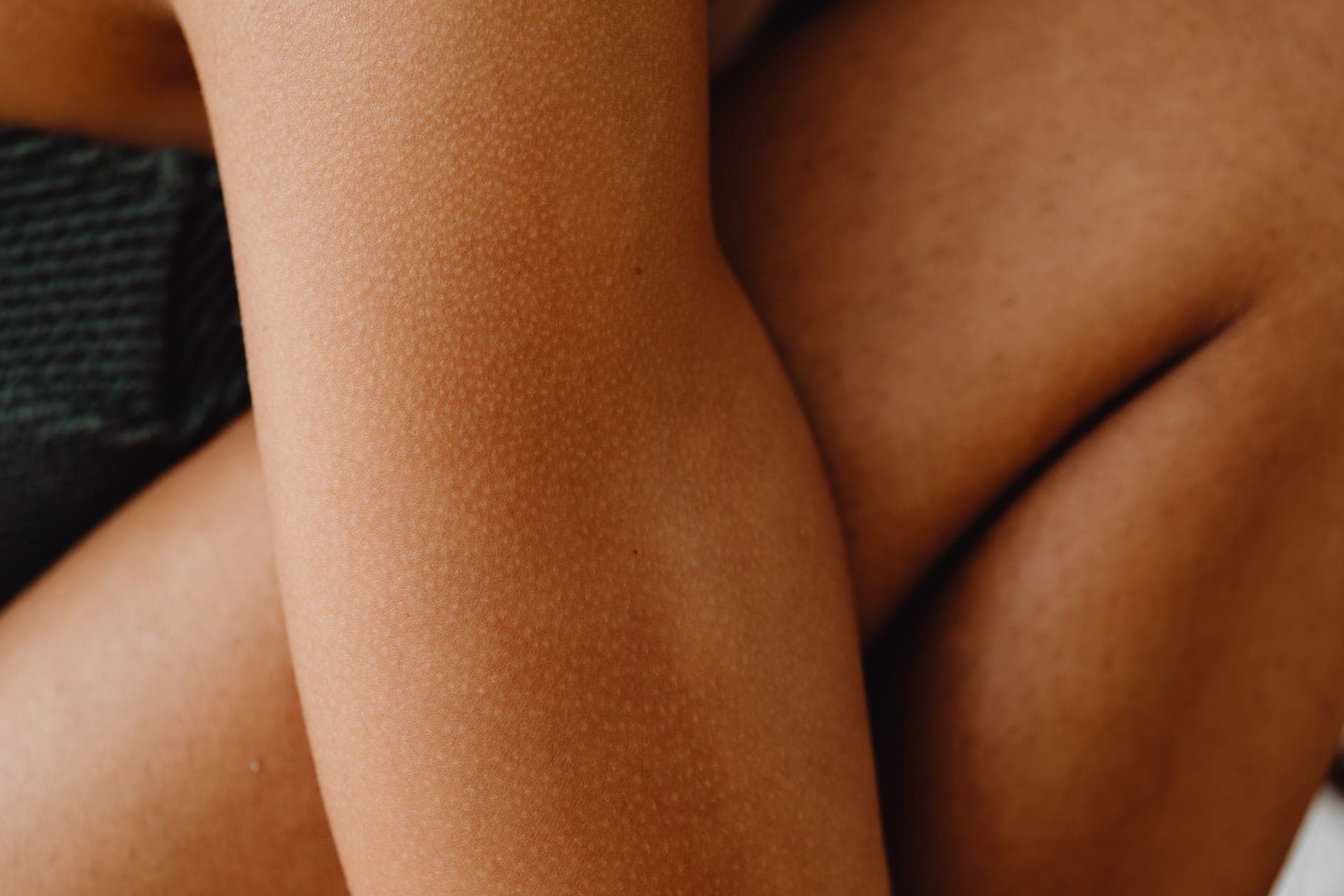
A butter is a lotion with most of the water taken out and the fats left in. That makes it better in January and worse in July.
By Sawyer V. · Published October 11, 2026 · Last updated October 11, 2026
The short answer
The verdict: Naturium The Glow Getter is the one to buy if you want a butter that absorbs rather than sits, at around $20. For the same richness at a quarter of the price, Palmer's Raw African Shea Body Butter is about $8 and is the value answer in this whole category. Butters beat lotions on very dry skin because they contain far less water and far more occlusive fat — but on normal skin in mild weather, that same density just feels greasy.
Disclosure: Glow & Gild earns a commission when you buy through links on this page, at no extra cost to you. It does not change which product we recommend, and no brand pays for placement here. Read the full disclosure.
How We Picked
We sorted by richness and finish, because those are what decide whether a butter gets used or abandoned after one greasy evening. Ingredient facts come from each brand. We have not tested these, and body products are easy to judge yourself inside a week.
Everyone in this category says they tested twenty of these. We have not tested any, and we say so. What we did instead: compiled the published concentrations and ingredient lists, checked each claim against what the formula can actually support, and wrote down who each product is wrong for. The full method is published so you can check it.
Quick Picks
The short answer, by buyer. Select any row for the full write-up.
#
Product
Best for
Where to buy
1
Naturium The Glow Getter Multi-Oil Body ButterSolves the main objection to body butters.
Amazon price as of October 16, 2026, 03:15 UTC — details
4
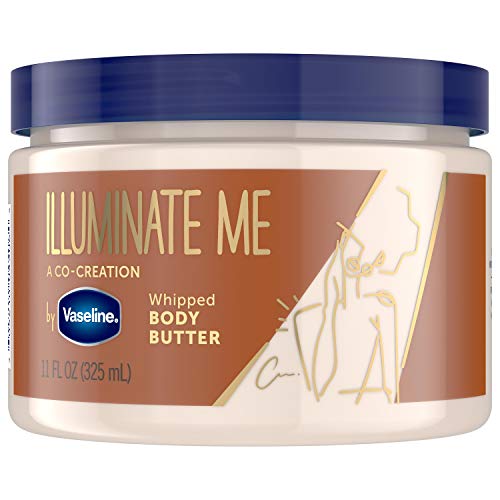
Vaseline Illuminate Me Shea Butter Whipped Body ButterWhipping air into a butter makes it spread further and absorb faster, which is the right compromise if full-fat tubs have put you off the format before..
Amazon price as of October 16, 2026, 03:15 UTC — details
#ad — buying through these links earns us a commission at no cost to you. Prices come from Amazon’s own product data and show the date they were checked; without a current one, the button says check price.
The practical consequence of that first row is the whole argument. Lotions deliver water and need an occlusive to hold it; butters are mostly the occlusive. On skin that is dry because it lacks lipids — which is most winter dryness — the butter is addressing the actual deficit.
What to Look For
Shea or cocoa butter high in the list. These are the fats doing the work. If they appear after the preservative, you are buying a lotion in a tub.
Fragrance-free if your skin is reactive. Body butters are among the most heavily fragranced products in skincare, and fragrance is the most common cosmetic contact allergen.
A tub, not a pump. A true butter is too thick to pump, so pump packaging is a useful tell that the formula is lighter than the name suggests.
Added humectants help. Glycerin or hyaluronic acid alongside the fats gives you water to seal in as well as the seal — see hyaluronic acid.
Skip exfoliating acids here. A lactic or glycolic body product is a different tool; see AmLactin and friends for texture rather than dryness.
When a Butter Is the Wrong Choice
Three situations where the thinner product wins. First, acne-prone backs and chests — heavy occlusives on skin that already congests is asking for trouble, and body acne is the page for that. Second, warm weather, where a butter simply will not absorb and transfers onto everything. Third, anyone who will not actually use it: a lotion applied daily beats a butter applied twice a month, and the daily habit is most of the result.
Rough, bumpy upper arms are a fourth case that looks like dryness and is not — see keratosis pilaris, where an exfoliating acid does more than any amount of fat.
1 — A butter that absorbs properly
Naturium The Glow Getter Multi-Oil Body Butter
What’s in it
Multi-oil body butter with squalane, 7.7 fl oz
Richer than a cream but finishes less greasy than a classic shea tub
Around $20
Solves the main objection to body butters. The squalane content gives it a dry-touch finish, so you can get dressed without waiting. Squalane explains why that ingredient behaves this way.
Who it’s not for
Anyone wanting the cheapest route to the same occlusion — that is the Palmer's tub below.
A full-size tub of genuinely rich shea butter for under ten dollars. For elbows, knees and shins in midwinter, nothing on this page offers better value.
Who it’s not for
Fragrance-sensitive skin, and anyone who needs a fast finish — this one sits on the skin for a while.
Vaseline Illuminate Me Shea Butter Whipped Body Butter
What’s in it
Whipped shea body butter
24-hour moisture claim, per the brand
Around $14
Whipping air into a butter makes it spread further and absorb faster, which is the right compromise if full-fat tubs have put you off the format before.
Who it’s not for
The driest skin — the texture that makes it pleasant also makes it less occlusive than the SheaMoisture tub.
It is cheap, it is natural, and it has been recommended online for a decade, which is why it deserves a direct answer. Coconut oil is an occlusive and nothing else — it has no humectant component, so it seals whatever is already there and adds no water. On skin that is genuinely dry that means you are sealing in the dryness unless you apply it to damp skin, which almost nobody does. It is also comedogenic enough to be a poor choice for backs and chests, where body breakouts are common. A formulated butter pairs the same fats with glycerin or hyaluronic acid so there is water to hold onto. Keep the coconut oil for your hair.
Frequently Asked Questions
Water content. Lotions are mostly water with some oil; butters are mostly fat with little water, which makes them far more occlusive and slower to absorb.
In winter and on very dry skin, usually yes, because most winter dryness is a lipid deficit. In warm weather or on normal skin, a lotion you will actually use daily is better.
Within a few minutes of bathing, onto damp skin. A butter is a seal, so there needs to be water underneath it to seal in.
On the back and chest it can. Heavy occlusives on congestion-prone body skin are a common trigger — see our body acne guide.
No. It is purely occlusive with no humectant, so on dry skin it seals in the dryness, and it is comedogenic enough to be risky on backs and chests.
By Sawyer V.. An enthusiast who’s genuinely into this: I read the manufacturer documentation, compile the published percentages, and do the arithmetic. No lab coat.
What I don’t do: test products, accept free product, or accept payment for placement. I hold no clinical credential and don’t claim one. How we pick.
Published October 11, 2026 · Last updated October 11, 2026