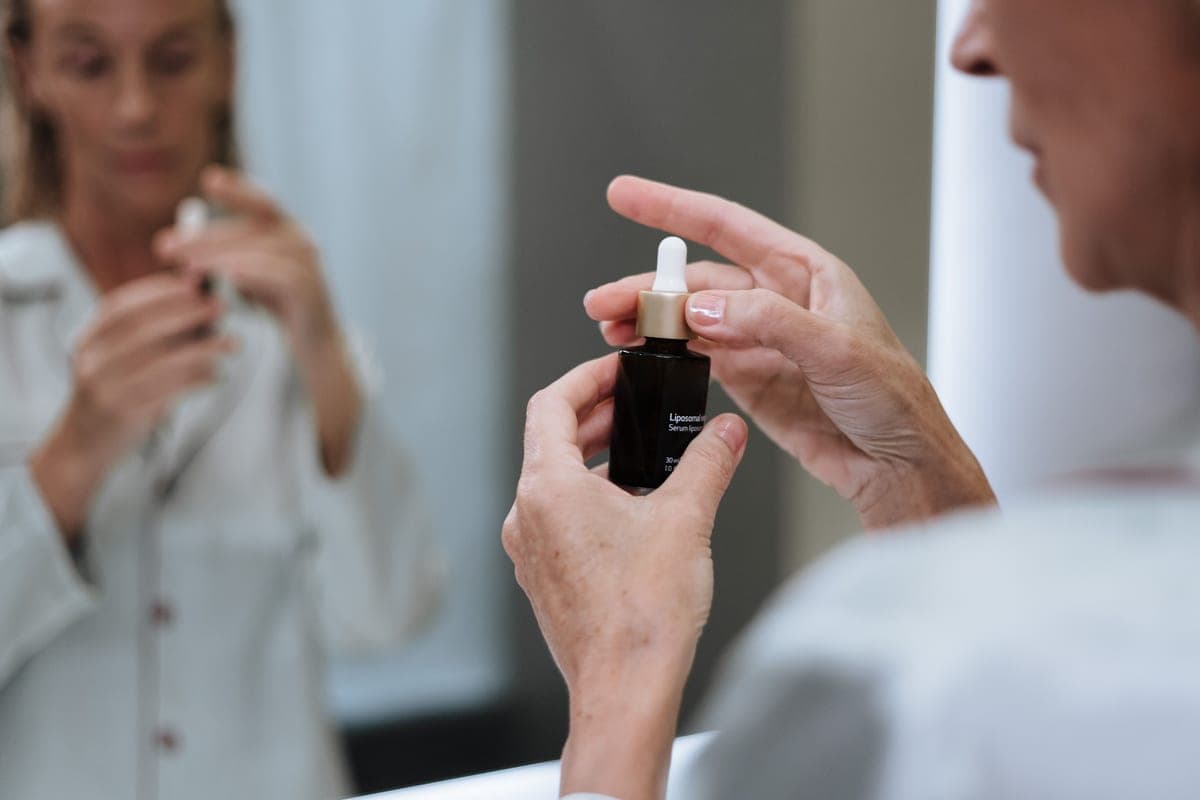
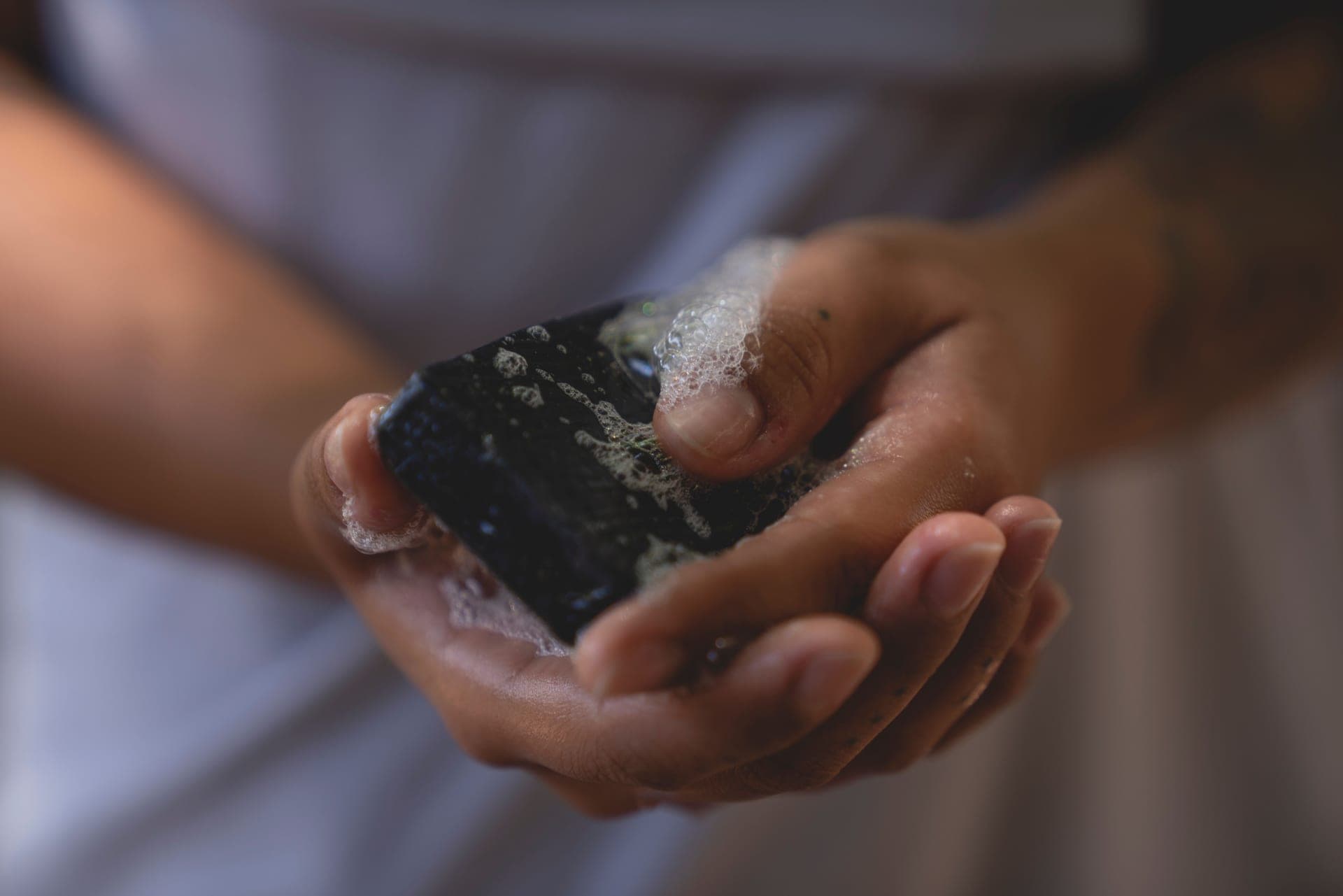
Back and chest acne responds to the same ingredients as facial acne, used a little differently — and to a few habits around sweat and clothing.
By Sawyer V. · Published September 10, 2026 · Last updated September 10, 2026
The short answer
For mild to moderate body acne, dermatologists recommend a benzoyl peroxide wash left on the skin for two to five minutes before rinsing, adapalene 0.1% gel alongside it for better results, sweat-wicking clothes, and a shower soon after workouts. PanOxyl wash and Differin gel cover the core regimen; salicylic acid is a gentler extra.
Disclosure: Glow & Gild earns a commission when you buy through links on this page, at no extra cost to you. It does not change which product we recommend, and no brand pays for placement here. Read the full disclosure.
How We Picked
We chose products for each part of the regimen the American Academy of Dermatology describes for back acne, and checked each ingredient list. We have not tested any of these.
Everyone in this category says they tested twenty of these. We have not tested any, and we say so. What we did instead: compiled the published concentrations and ingredient lists, checked each claim against what the formula can actually support, and wrote down who each product is wrong for. The full method is published so you can check it.
The Dermatologist Regimen
Wash with benzoyl peroxide — a foam or wash — and leave it on your back for two to five minutes before rinsing; the American Academy of Dermatology notes it works best that way.
Add adapalene 0.1% gel after you shower or before bed. Used along with benzoyl peroxide, it can improve your results.
Wear sweat-wicking clothes when you work out.
Shower and change as soon as you can after exercise or anything that makes you sweat.
Give it time, and see a dermatologist if breakouts are deep, painful or scarring, or have not improved after a few months.
Which Ingredient Does What
Ingredient
What it does
On this page
Benzoyl peroxide
Kills the bacteria that cause acne
PanOxyl Acne Foaming Wash
Adapalene 0.1%
A retinoid sold without a prescription; improves results alongside benzoyl peroxide
Differin Gel
Salicylic acid
An oil-soluble exfoliant that clears clogged pores
Neutrogena Body Clear, Paula's Choice 2% BHA
Trapped sweat also matters, which is why the clothing and showering advice sits inside the regimen rather than beside it. For more on the two main actives, see salicylic acid vs benzoyl peroxide and retinol vs adapalene; for facial breakouts, our acne guide.
Picking at body acne is as tempting as picking at your face, and just as counterproductive: the American Academy of Dermatology notes that picking, popping or squeezing makes acne take longer to clear and raises the risk of scarring and dark spots.
No product photoNo product photograph available for PanOxyl Acne Foaming Wash
1 — The benzoyl peroxide wash
PanOxyl Acne Foaming Wash
What’s in it
Benzoyl peroxide in a rinse-off foaming wash
Sold in 4% and 10% strengths
Suitable for face, chest and back
A rinse-off benzoyl peroxide wash is exactly where the dermatologists' back-acne regimen starts, and it is easy to use in the shower.
Who it’s not for
Dry or reactive skin, which should start with the lower strength — and anything you do not want bleached.
Body acne can feel like something to scrub away, so rough loofahs and gritty scrubs are the obvious fix. Friction irritates inflamed skin, and the dermatologists' regimen does not include it: a benzoyl peroxide wash left on for a few minutes, adapalene, and prompt showers after sweating. Use your hands or a soft cloth, and let the ingredients do the work.
Frequently Asked Questions
The same things as facial acne — oil, clogged pores and bacteria — and trapped sweat can make it worse.
Two to five minutes before rinsing, according to the American Academy of Dermatology.
Yes. Dermatologists list adapalene 0.1% gel for back acne, applied after showering or before bed.
It helps clear clogged pores and suits mild breakouts; benzoyl peroxide does more for inflamed spots.
If acne is deep, painful or scarring, or has not improved after a few months of treatment.
By Sawyer V.. An enthusiast who’s genuinely into this: I read the manufacturer documentation, compile the published percentages, and do the arithmetic. No lab coat.
What I don’t do: test products, accept free product, or accept payment for placement. I hold no clinical credential and don’t claim one. How we pick.
Published September 10, 2026 · Last updated September 10, 2026