What Kojic Acid Actually Does
Kojic acid is a byproduct of fungal fermentation — *Aspergillus oryzae*, the organism behind sake, miso and soy sauce. It chelates the copper ion at the active site of tyrosinase, the enzyme that converts tyrosine into melanin. Remove that copper from play and the enzyme slows, so less pigment is produced. It is one of the older cosmetic brighteners and one of the better characterized.
| What you want | Does kojic acid help? | Notes |
|---|---|---|
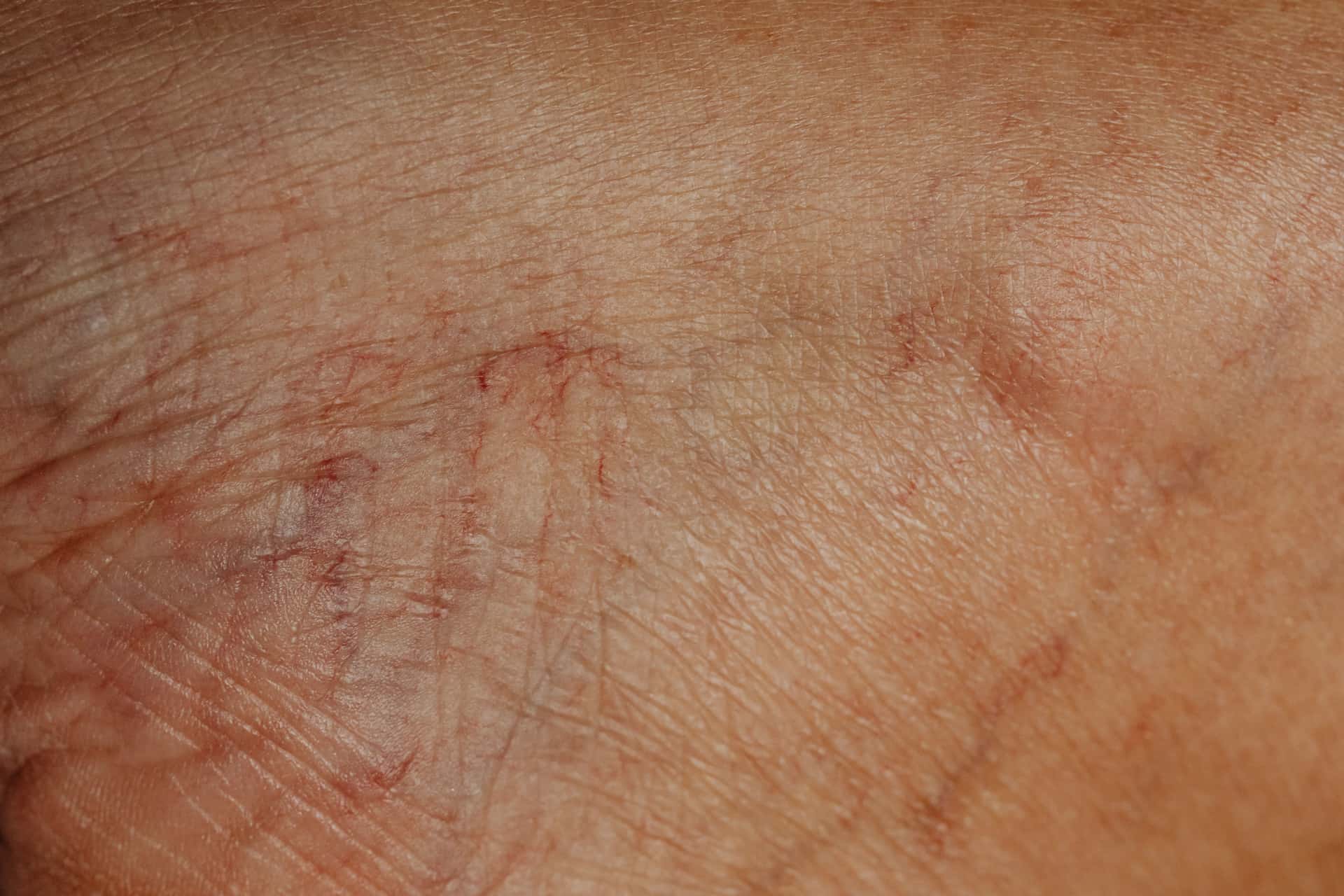
| Post-acne dark marks | Yes, over months | Its most realistic use |
| Sun-related dark spots | Yes, with daily SPF | Sunscreen is doing half the work |
| Melasma | As part of a routine | The AAD names it among ingredients to look for |
| Overall tone | Modestly | Gradual, not dramatic |
| Body areas: underarms, knees | Yes — this is where the soaps make sense | Body skin tolerates more |
| Active acne | No | Different problem entirely |
Unlike alpha arbutin, kojic acid does not release hydroquinone — it inhibits the enzyme directly. That makes it a genuinely different mechanism, which is why the two are often combined in the same routine rather than treated as alternatives.
The 1% Limit, and Why It Exists
The EU's Scientific Committee on Consumer Safety adopted its final opinion on kojic acid in March 2022 (SCCS/1637/21, with a corrigendum that June). The conclusion: kojic acid is safe as a skin-lightening agent in cosmetic products at concentrations up to 1%. The reason a ceiling exists at all is a concern about possible endocrine-disrupting properties — not an irritation concern, which is unusual for a cosmetic active.
- 1% is the ceiling for kojic acid as a skin-lightening agent in a cosmetic product.
- The opinion excludes the esters. Kojic dipalmitate, kojic isopalmitate and chloro-kojic acid were not assessed, because no data was submitted for them. An ester is not covered by the parent molecule's clearance.
- A damaged barrier raises absorption. The committee specifically flagged that kojic acid is sometimes added to peeling products, where a weakened barrier means more gets through.
- This is an EU position, not a US one. The FDA has not set an equivalent cosmetic limit, so US products are not bound by it — which is a reason to read labels rather than assume.
Why the Soaps Are the Weakest Format
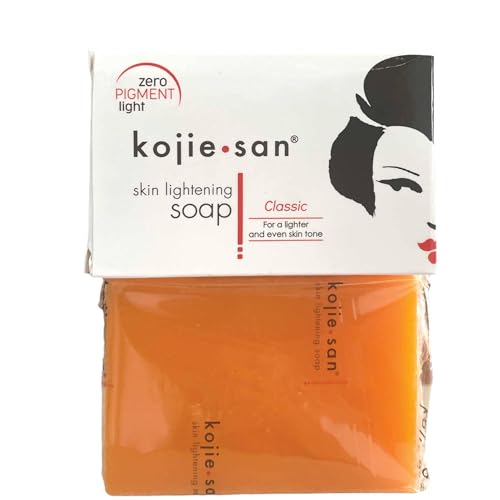
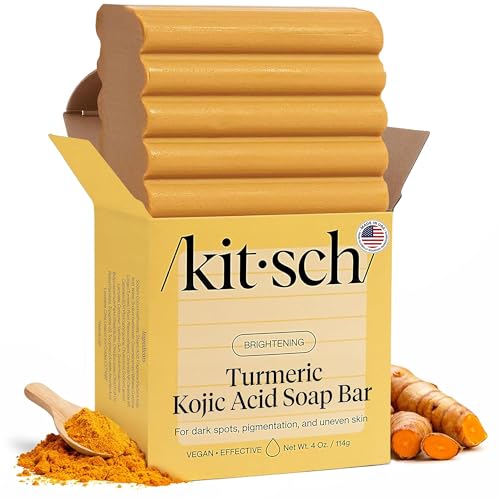
Kojic acid's commercial center of gravity is the cleansing bar — search the ingredient and you will mostly find soap. The format has one real virtue and one structural flaw. The virtue is coverage: a bar is the cheapest practical way to treat large body areas like underarms, knees and backs, where a serum would be absurd. The flaw is contact time.
| Format | Contact time | Best use | Verdict |
|---|---|---|---|
| Cleansing bar | Under a minute, then rinsed | Large body areas | Weakest per use; cheapest per area |
| Body wash | Under a minute, then rinsed | Body, with less mess than a bar | Same limitation as the bar |
| Leave-on serum or cream | All day or all night | Face, targeted spots | Where the ingredient actually earns |
| In-office peel | Minutes, supervised | Stubborn pigment | Not a home format |
An enzyme inhibitor needs to be present at the enzyme to inhibit it. Forty seconds of lather, then rinse, is simply not much exposure, and the brightening claims on a bar are doing more work than the bar is. If your target is facial pigment, a leave-on product — kojic, tranexamic acid or vitamin C — will do more.
Using It Without Irritating Yourself
- Start every other day, particularly with a bar, which many people find drying.
- Do not leave a cleansing bar on as a mask. This is a common instruction online and it is the exact scenario the SCCS flagged — longer contact on a compromised barrier means more absorption.
- Follow with moisturizer, and on the face, with sunscreen every morning.
- Give it twelve weeks, like every pigment ingredient.
- Stop if skin becomes irritated. Inflammation produces pigment, so irritation defeats the purpose.
Kojic acid can cause contact dermatitis in a minority of users — it has a longer history of sensitization reports than most brighteners. Patch test on the inner arm before putting a new one on your face.