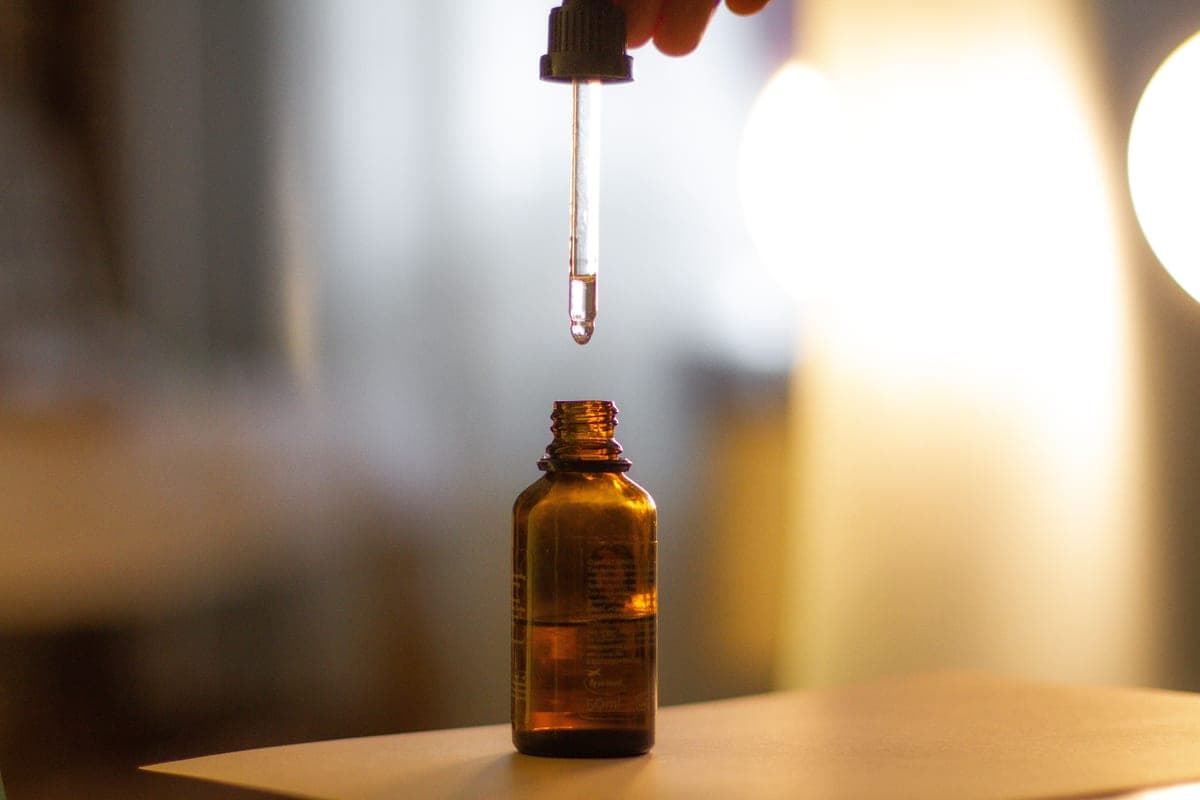
Professional microneedling has real evidence behind it. A home roller shares the name and very little of the depth, sterility or control.
By Sawyer V. · Published September 10, 2026 · Last updated September 10, 2026
The short answer
At-home derma rollers use very short needles that mostly affect the skin's surface and product absorption; they do not reproduce professional microneedling, which reaches deeper under sterile conditions and has evidence for acne scars. The FDA treats microneedling that reaches living skin for purposes like scar treatment as a medical device. At home, infection and irritation are the real risks.
Disclosure: Glow & Gild earns a commission when you buy through links on this page, at no extra cost to you. It does not change which product we recommend, and no brand pays for placement here. Read the full disclosure.
How We Picked
Because the effect at home is modest and the risk is real, we prioritized short, cosmetic-length tools that are easy to keep clean and replace, over any claim of results. We have not tested these.
Everyone in this category says they tested twenty of these. We have not tested any, and we say so. What we did instead: compiled the published concentrations and ingredient lists, checked each claim against what the formula can actually support, and wrote down who each product is wrong for. The full method is published so you can check it.
The Claim and the Evidence
The claim: tiny needles create micro-injuries that trigger collagen, smoothing scars, lines and texture, and let serums absorb better.
What the evidence supports: microneedling performed by professionals, with deeper needles, sterile technique and controlled depth, has evidence for improving acne scars and some other textural concerns. That is a medical procedure. The FDA's guidance treats microneedling products that reach living layers of the skin for purposes such as treating scars or wrinkles as medical devices.
Where the gap sits: home rollers use much shorter needles, so they do not reach the depth where the professional results come from. What they mainly do is create tiny channels in the surface, which increases how much of whatever you apply next gets in — useful for a plain hydrating serum, risky for anything irritating.
The Safety Rules
Never share a roller, and never use one on broken, infected or actively breaking-out skin.
Disinfect before and after every use, and replace the roller or head often — needles dull and bend, which tears rather than punctures.
Skip it entirely if you have active acne, rosacea, eczema, a skin infection, or a tendency to scar or develop dark marks after injury.
Follow only with something plain, such as a hydrating serum. Never roll before a retinoid, an acid or vitamin C — the channels drive them in faster and harder.
Wear sunscreen daily afterward.
For acne scars specifically, professional treatment is the evidence-based route; see a dermatologist. For a lower-risk at-home tool, LED masks have a clearer evidence base, and a retinoid is the most proven topical for texture.
No product photoNo product photograph available for BeautyBio GloPRO Microneedling Facial Tool
1 — A rechargeable microtip tool with replaceable heads
BeautyBio GloPRO Microneedling Facial Tool
What’s in it
Microtip roller with replaceable attachment heads
Cosmetic-length microtips rather than clinical needles
Handheld device
Replaceable heads make the single most important safety habit — using fresh, sharp tips — easy to keep up.
Who it’s not for
Anyone with active acne, rosacea or eczema, and anyone hoping to treat scars at home. It is a cosmetic tool, not professional microneedling.
Rollers with longer needles are sold online with promises of clinical results, and the logic seems simple: deeper needles, bigger effect. But the depth that produces professional results is also the depth that reaches living skin and blood vessels, which is why it belongs in a sterile clinical setting with a trained practitioner. At home, longer needles raise the risk of infection, bleeding, scarring and dark marks without the controls that make the procedure safe. Keep any home roller short, clean and occasional — or skip it and see a dermatologist for scar treatment.
Frequently Asked Questions
At home, modestly. Short needles mainly affect the surface and product absorption. Professional microneedling, which goes deeper, has the stronger evidence.
Not reliably at home. Professional microneedling has evidence for acne scars; a home roller does not reach the same depth.
It carries real risks, mainly infection and irritation. Keep needles short, disinfect every time, replace often and avoid it on problem skin.
Something plain, like a hydrating serum. Never a retinoid, acid or vitamin C, which can cause significant irritation.
Sparingly, and only on healthy skin. Frequent use increases irritation and infection risk.
By Sawyer V.. An enthusiast who’s genuinely into this: I read the manufacturer documentation, compile the published percentages, and do the arithmetic. No lab coat.
What I don’t do: test products, accept free product, or accept payment for placement. I hold no clinical credential and don’t claim one. How we pick.
Published September 10, 2026 · Last updated September 10, 2026