Skip to content
Glow & Gild

Fragrance note

Patchouli

Earthy, camphorous and faintly sweet. The material with the worst reputation in perfumery and the largest gap between that reputation and current use.

By Sawyer V. · Published September 8, 2026 · Last updated September 8, 2026

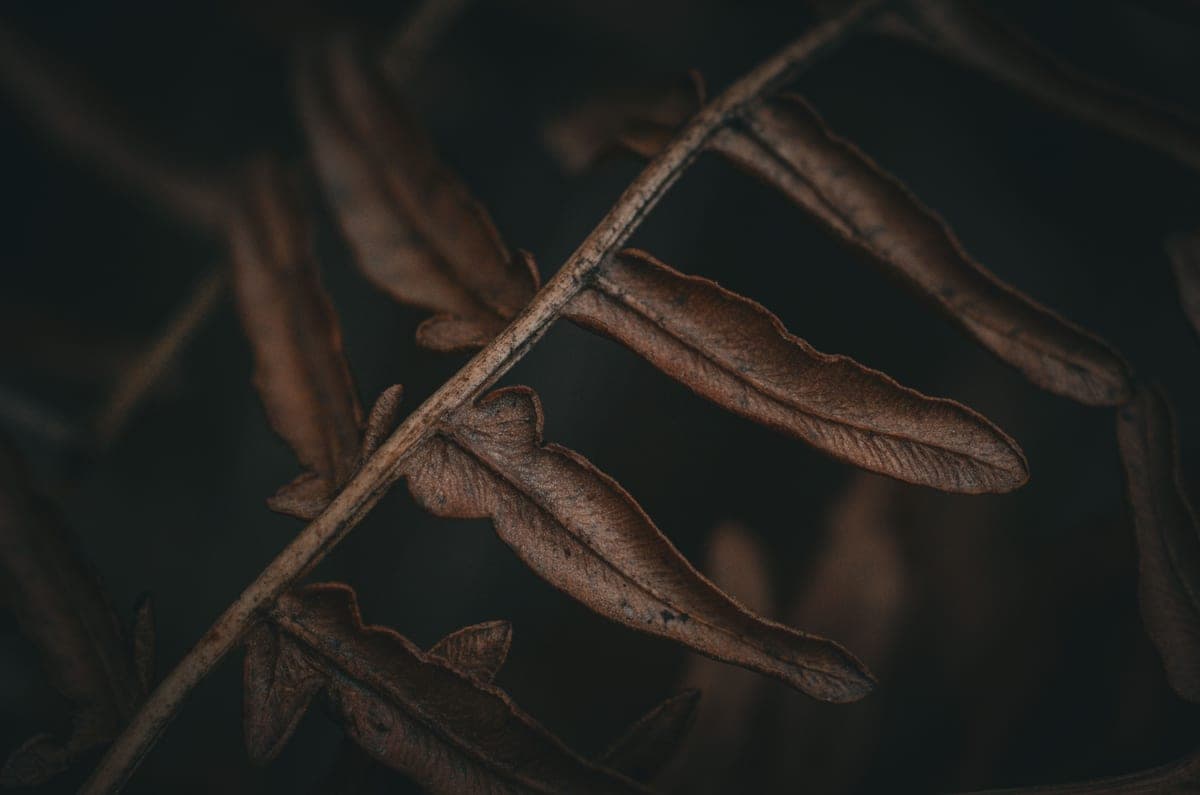
Dried patchouli leaves on a dark surface

The short answer

Patchouli smells earthy and camphorous with a faintly sweet, almost chocolatey depth. Its head-shop reputation comes from cheap unrefined oil used heavily in the 1960s. Modern fractionated patchouli is cleaner and appears in a very large share of contemporary fragrance.

Disclosure: Glow & Gild earns a commission when you buy through links on this page, at no extra cost to you. It does not change which product we recommend, and no brand pays for placement here. Read the full disclosure.

What It Actually Smells Like

Patchouli is more layered than its reputation suggests. The base is earthy and damp, close to wet soil. Over that sits a camphorous, medicinal sharpness — the part that reads as harsh in cheap material — and underneath, a sweet, faintly chocolatey or winey depth that emerges as it settles.

Good aged patchouli oil is genuinely luxurious: dark, round, with the camphor smoothed away and the sweetness forward. Raw young oil is the opposite — bitter, harsh and green, and that is largely what the 1960s reputation is based on.

It also has an unusual property among naturals: it improves with age. Patchouli oil is one of very few materials that perfumers deliberately mature, sometimes for years, because the harsh top fractions dissipate and the round base develops.

Why the Reputation Is Out of Date

Patchouli became associated with 1960s counterculture for reasons that had nothing to do with fine perfumery. Cheap, unrefined, unaged oil was widely available and used heavily and undiluted, and the smell of it in that form — harsh, green, medicinal — is what stuck in cultural memory.

Two things changed since. Fractionation allows perfumers to remove specific facets, most commonly the camphorous top, leaving a cleaner, sweeter, more chocolate-adjacent material. And quality sourcing and ageing produce oil that bears almost no resemblance to what was sold in bulk sixty years ago.

The practical consequence is that patchouli is now one of the most-used materials in commercial perfumery, and most people who say they dislike it are wearing it regularly without noticing. It sits underneath an enormous share of modern florals, chypres and gourmands, doing structural work rather than announcing itself.

Where It Comes From

*Pogostemon cablin* is a bushy plant in the mint family, grown mainly in Indonesia, and the material comes from its leaves rather than its flowers or roots. The leaves are harvested, dried and lightly fermented before steam distillation — the fermentation is part of what develops the characteristic depth.

Indonesian patchouli dominates world supply. Indian and Chinese material exists and differs, generally being lighter and greener. As with most naturals, batch and origin variation is significant, and it is one reason perfumers blend rather than relying on a single lot.

How It Behaves in a Fragrance

Patchouli is a base note with excellent persistence and a strong fixative effect — it slows the evaporation of the more volatile materials around it, which is a second reason it appears so widely. A composition containing patchouli lasts longer than the same composition without it.

The standard treatments: patchouli with rose produces the classic dark floral; patchouli with vanilla and tonka is the modern gourmand structure; patchouli with oakmoss and citrus is the chypre base; patchouli with woods deepens and grounds a woody composition without adding sweetness.

In small quantities it is almost invisible — present as depth rather than as a recognizable smell. It only announces itself above a certain concentration, which is why so many people are surprised to find it in the ingredient list of something they thought had nothing to do with it.

Which Families It Builds

  • [Chypre](/fragrance/families/chypre) — a defining base component alongside oakmoss.
  • [Woody](/fragrance/families/woody) — at the earthy end, often with vetiver.
  • [Amber](/fragrance/families/amber) — patchouli and resins are natural partners.
  • Floral and fruity-floral — the dark base underneath a very large share of the modern market.
  • Gourmand — with vanilla and cocoa, where its chocolatey facet is doing the work.

Where to Start

One patchouli-forward composition and one where it is doing structural work underneath something else.

No product photoNo product photograph available for Tom Ford Patchouli Absolu Eau de Parfum

Premium Beauty listing

1Patchouli as the subject

Tom Ford Patchouli Absolu Eau de Parfum

What’s in it

  • Patchouli-forward composition with lavender, clary sage and leather in the published note listing
  • Eau de parfum concentration
  • Presents the material at high concentration rather than as a base

It puts the material in the foreground rather than underneath, which is the only way to find out whether you actually dislike patchouli or only dislike the version of it you remember.

Who it’s not for

Anyone whose objection to patchouli is genuine rather than nostalgic. At this concentration there is nowhere to hide, and if the earthy-camphorous quality is the problem, this will not talk you round.

No product photoNo product photograph available for Mugler Angel Eau de Parfum

Premium Beauty listing

2Patchouli doing structural work

Mugler Angel Eau de Parfum

What’s in it

  • Patchouli and vanilla base under a fruity top in the published note listing
  • Released in 1992 and the composition that established the modern gourmand structure
  • Eau de parfum concentration with very high projection

It is the clearest demonstration of what patchouli does underneath something sweet, and it is historically the fragrance that made the modern patchouli-gourmand structure commercially dominant.

Who it’s not for

Anyone in a shared space. Angel projects extremely hard, divides opinion more sharply than almost any mainstream fragrance, and one spray is genuinely a full dose.

Frequently Asked Questions

Earthy and damp with a camphorous sharpness and a sweet, faintly chocolatey depth underneath. Aged, well-sourced oil is much rounder than cheap young material.

Sources

Who wrote this

By Sawyer V.. An enthusiast who’s genuinely into this: I read the manufacturer documentation, compile the published percentages, and do the arithmetic. No lab coat.

What I don’t do: test products, accept free product, or accept payment for placement. I hold no clinical credential and don’t claim one. How we pick.

Published September 8, 2026 · Last updated September 8, 2026

Oakmoss and forest floor detail in low, dark light

Fragrance family

Chypre Fragrances

Pronounced SHEEP-ruh. A structure rather than a dominant note, and the family most changed by oakmoss regulation.

Read it
Vetiver grass roots against dark earth

Fragrance note

Vetiver

Damp earth, dry smoke and a flash of grapefruit peel. A grass root that behaves like a wood, so it is filed as one.

Read it
Cut sandalwood logs showing grain, photographed in low light

Fragrance family

Woody Fragrances

The broadest family, split into dry-smoky and creamy-soft. Knowing which camp you are in narrows the field enormously.

Read it
Amber resin pieces on a dark textured surface

Fragrance family

Amber Fragrances

Warm, resinous and long-lasting. Why it was renamed from oriental, and why amber is an accord rather than an ingredient.

Read it
Dark agarwood chips arranged on a dark textured surface

Sub-hub

Fragrance Notes

Oud, vetiver, sandalwood, patchouli, tobacco and incense — described in sensory terms, not adjectives.

Read it

Nothing here is medical advice. Editorial policy · How we pick · Affiliate disclosure