Skip to content
Glow & Gild

Comparison

Centella vs Niacinamide

The two ingredients most often recommended for angry skin. They are not interchangeable, and the difference is whether you need calming or rebuilding.

By Sawyer V. · Published September 27, 2026 · Last updated September 27, 2026

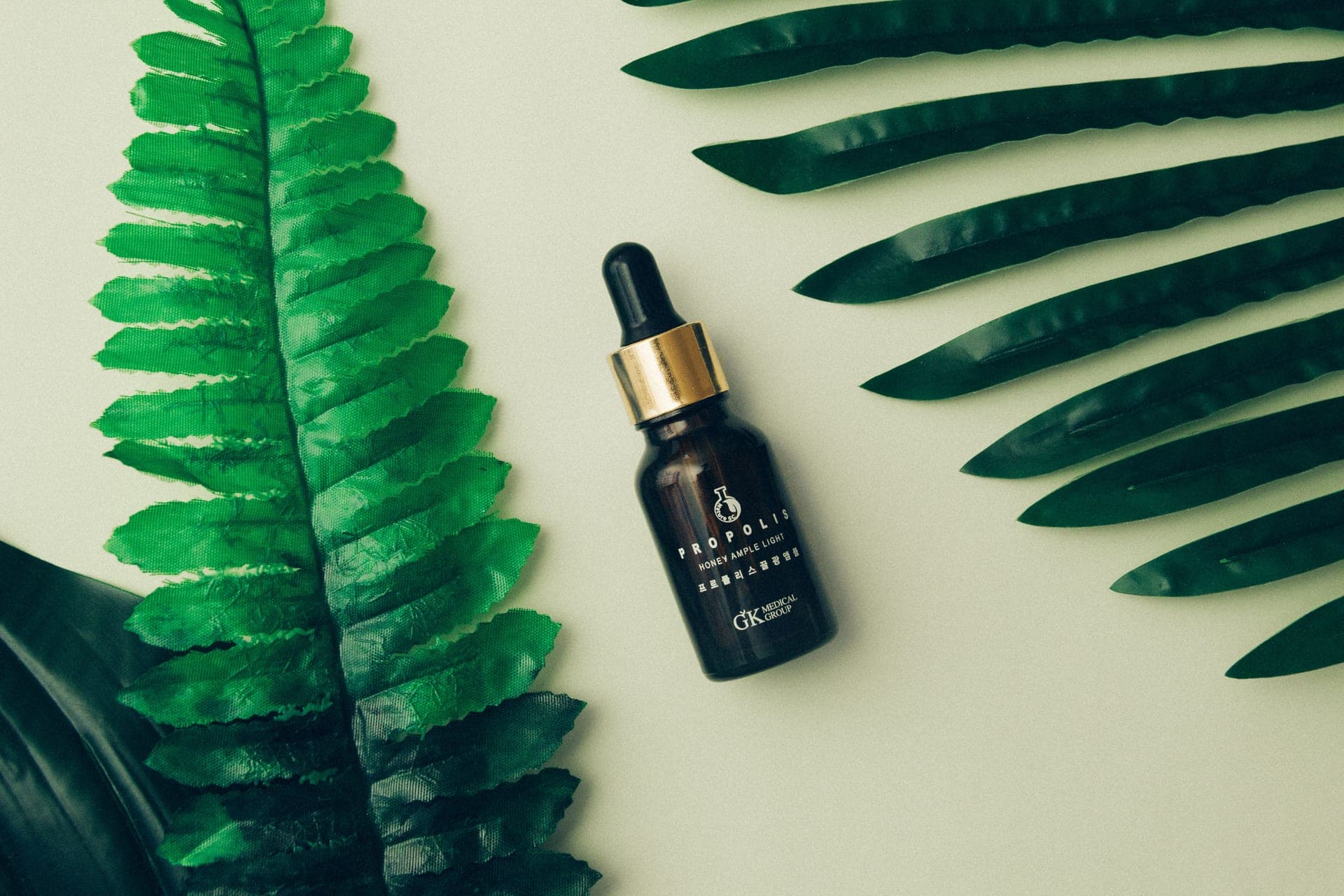
A green leaf and a clear serum dropper on a neutral background

The short answer

Centella asiatica soothes visible irritation and supports recovery after damage; its evidence base is in wound healing. Niacinamide rebuilds the barrier over weeks, regulates oil and helps with pigment. For skin that is angry today, centella. For skin that is fragile or oily month after month, niacinamide.

Disclosure: Glow & Gild earns a commission when you buy through links on this page, at no extra cost to you. It does not change which product we recommend, and no brand pays for placement here. Read the full disclosure.

The Short Answer

Centella is a plant extract whose activity comes from four triterpenes, and the strongest research behind it studied damaged skin: burns, surgical wounds, post-laser recovery. Niacinamide is vitamin B3, a single well-characterized molecule with cosmetic trials behind barrier repair, sebum regulation and pigment. One is a first-aid ingredient; the other is infrastructure.

What you wantPickWhy
Stinging, red, over-exfoliated skinCentellaSoothes now; no adjustment period
A weak barrier that keeps reactingNiacinamideRebuilds over four to twelve weeks
Oily skin and visible poresNiacinamideRegulates sebum; centella does not
Post-acne marksNiacinamideInterrupts pigment transfer; centella does not
Recovery beside a retinoidCentellaA buffering layer that adds nothing irritating
One ingredient doing the most jobsNiacinamideBarrier, oil and pigment in one bottle

How They Actually Differ

Centella asiaticaNiacinamide
What it isPlant extract, four active triterpenesVitamin B3, a single molecule
Best evidenced forWound healing and post-procedure recoveryBarrier lipids, sebum, pigment
SpeedComfort within daysMeasurable change over weeks
StandardizationRarely disclosed on the labelPercentage is printed and meaningful
Oil controlNoYes
PigmentNoYes, modestly
Usual complaintPlant-extract allergy is possibleFlushing or tingling above 10%

The labeling gap matters. A niacinamide product stating 5% tells you what you are getting; a centella product stating 92% extract tells you how much plant material went in and nothing about its active fraction. See centella asiatica for why that number is close to meaningless, and niacinamide for why the percentage is not.

Who Each One Suits

  • Centella suits skin mid-flare, retinoid ramp-ups, post-procedure recovery and anyone whose routine is already crowded with actives.
  • Niacinamide suits oily and combination skin, enlarged-looking pores, ongoing barrier weakness and post-acne marks.
  • Reactive skin can use both, but introduce them a fortnight apart so you know which one your skin liked.
  • Neither treats rosacea itself. Both can reduce its appearance — the condition has real treatments, covered in our rosacea guide.

If you are choosing one and cannot decide, the practical test is time. Does your skin need to feel better this week, or be different in two months? Centella answers the first question and niacinamide answers the second.

Using Both

  1. Niacinamide first, centella second if both are leave-ons — thinner to thicker, as usual.
  2. Or split them: niacinamide in the morning, centella at night beside whatever active you are running.
  3. Do not start both in the same week. Two new products means no information.
  4. Follow with a moisturizer. Neither seals anything in by itself.
  5. Drop one if nothing changes in eight weeks. A routine of soothing ingredients that has not helped is a routine hiding an irritant.

They are genuinely complementary rather than redundant, which is why so many Korean formulas ship them together. The mistake is treating that pairing as a reason to own four products that all contain both.

SKIN1004 Madagascar Centella Ampoule

1 — Centella, close to on its own

SKIN1004 Madagascar Centella Ampoule

What’s in it

  • Seven-item ingredient list on the published listing
  • 1.85 fl oz / 55ml
  • Light, watery, non-sticky texture, per the brand

A seven-ingredient formula is the cleanest way to test centella itself, with almost nothing else to credit or blame.

Who it’s not for

Dry skin wanting a finished moisturizer, and anyone buying it for the brand's claim of seven times more soothing actives, which is marketing rather than a published standardization.

$13.50 · View on Amazon

Amazon price as of October 16, 2026, 03:15 UTC — details

#ad — how we’re funded

La Roche-Posay Cicaplast Balm B5

2 — Centella for genuinely damaged skin

La Roche-Posay Cicaplast Balm B5

What’s in it

  • Formulated with Centella Asiatica (madecassoside), per the brand
  • Panthenol, glycerin and shea butter in the published formula
  • Fragrance-free and lanolin-free, per the brand

It names the isolated triterpene rather than the plant, and the occlusive format matches what centella is best evidenced for.

Who it’s not for

Oily or congestion-prone skin and anyone wanting a light daily layer — this is a heavy balm by design.

$13.69 · View on Amazon

Amazon price as of October 16, 2026, 03:15 UTC — details

#ad — how we’re funded

The Ordinary Niacinamide 10% + Zinc 1%

3 — Niacinamide for oily skin

The Ordinary Niacinamide 10% + Zinc 1%

What’s in it

  • Labeled 10% niacinamide with 1% zinc PCA
  • Water-based gel texture
  • No fragrance listed

The cheapest way into niacinamide, and the zinc makes it the version that suits oily skin best.

Who it’s not for

Reactive skin — 10% is where the tingling complaints cluster, and most of the published benefit sits lower. Start with a 5% product instead.

$6.00 · View on Amazon

Amazon price as of October 16, 2026, 03:15 UTC — details

#ad — how we’re funded

Paula's Choice 10% Niacinamide Booster

Premium Beauty listing

4 — Niacinamide in a better base

Paula's Choice 10% Niacinamide Booster

What’s in it

  • Labeled 10% niacinamide — the concentration is stated in the product name
  • Booster format, used alone or mixed into a moisturizer, which lets you dilute the dose
  • Includes supporting antioxidants rather than being niacinamide alone

The booster format is the useful part: mixing it into a moisturizer is the easiest way to run niacinamide below 10% without buying a second product.

Who it’s not for

Anyone who wants to isolate niacinamide — there are other antioxidants in here — and anyone unwilling to pay a large multiple of the drugstore price for the same headline percentage.

$53.00 · View on Amazon

Amazon price as of October 16, 2026, 03:15 UTC — details

#ad — how we’re funded

Skip This One

Buying a fourth soothing product

Skin that stays irritated through a routine of centella, niacinamide, a barrier cream and a heartleaf toner is not short of soothing ingredients. It is reacting to something still in the routine — usually a daily acid, a strong retinoid, a fragrance or over-washing. Adding a fifth calming product is the most expensive way to avoid the diagnosis. Strip back to cleanser, moisturizer and sunscreen for two weeks, then add one thing at a time.

Frequently Asked Questions

Yes, they are complementary. Apply niacinamide first if both are leave-ons, or split them between morning and night.

Sources

Who wrote this

By Sawyer V.. An enthusiast who’s genuinely into this: I read the manufacturer documentation, compile the published percentages, and do the arithmetic. No lab coat.

What I don’t do: test products, accept free product, or accept payment for placement. I hold no clinical credential and don’t claim one. How we pick.

Published September 27, 2026 · Last updated September 27, 2026

Close-up of green leaves carrying water droplets

Ingredient monograph

Centella Asiatica

What cica, TECA and madecassoside mean on a label, what the evidence supports, and four centella products worth the money.

Clear serum texture pooled on dark glass

Ingredient monograph

Niacinamide

Barrier, oil, pores and pigment from one cheap molecule. Why 5% is the evidence-backed dose and 10% is the marketing one.

Water droplets beside a serum bottle on dark glass

Comparison

Niacinamide vs Hyaluronic Acid

Compared constantly, related barely. An active versus a humectant, and why dry skin needs neither of them alone.

A jar of gentle cream on a dark background

Concern guide

Skincare for Sensitive Skin

Most self-diagnosed sensitivity is a damaged barrier, fixable in a fortnight. How to tell, and how to rebuild afterwards.

A jar of gentle soothing cream on a dark calm surface

Concern guide

Skincare for Rosacea

A medical condition rather than a skincare problem. The evidenced active, and why the routine is defined by what it leaves out.

Nothing here is medical advice. Editorial policy · How we pick · Affiliate disclosure