Skip to content
Glow & Gild

Comparison

Ceramides vs Hyaluronic Acid

They are sold as rivals and they are not. One is the mortar of the skin barrier; the other is a sponge that sits on top of it and needs sealing in.

By Sawyer V. · Published September 24, 2026 · Last updated September 24, 2026

A jar of rich barrier cream on a dark surface

The short answer

Hyaluronic acid draws water into the surface of the skin; ceramides help hold it there by supplying the lipids the barrier is made of. Dehydrated skin that looks dull benefits most from hyaluronic acid. Tight, flaky, reactive skin needs ceramides. Most routines use both, with the hyaluronic acid underneath and the ceramide cream on top.

Disclosure: Glow & Gild earns a commission when you buy through links on this page, at no extra cost to you. It does not change which product we recommend, and no brand pays for placement here. Read the full disclosure.

How We Picked

We chose two ceramide moisturizers and two hyaluronic acid serums whose ingredient lists we could read in full, and confirmed each is currently on sale. The claims about what each ingredient does come from our own ingredient guides and the published work cited there. We have not tested these products.

Everyone in this category says they tested twenty of these. We have not tested any, and we say so. What we did instead: compiled the published concentrations and ingredient lists, checked each claim against what the formula can actually support, and wrote down who each product is wrong for. The full method is published so you can check it.

The Comparison, in One Table

CeramidesHyaluronic acid
What it isLipids that make up roughly half of the skin barrier's lipid matrixA glycosaminoglycan that binds water
What it doesSupplies the missing mortar so water escapes more slowlyPulls water into the top layers and holds it there
Best formatA cream, where lipids belongA water-based serum, applied to damp skin
Works best withCholesterol and fatty acidsAn occlusive layer on top
Result you noticeLess tightness, less reactivity, fewer flakesImmediate plumping of dehydration lines
Failure modeA serum advertising ceramides with no supporting lipidsApplied to dry skin, bare, in dry air

What Each One Actually Does

The standard model of the outer skin is bricks and mortar: flat dead cells are the bricks, and a lipid matrix is the mortar. That matrix is roughly half ceramides, with cholesterol and free fatty acids making up most of the rest. When it is depleted — by over-cleansing, cold air, eczema or an aggressive actives routine — water escapes faster and irritants get in more easily. Topical ceramides put back the missing lipid.

Hyaluronic acid does something different and shallower. It is a humectant: it binds water and holds it at the surface, which plumps the fine lines that appear when skin is dehydrated and vanish when it is not. It does not repair the barrier, and it does not seal anything in. Our hyaluronic acid guide goes through molecular weights; our ceramides guide goes through the types on ingredient lists.

The other thing worth knowing about ceramides is that they work in company. The published work on barrier repair consistently finds that ceramides, cholesterol and fatty acids applied together outperform any of them alone. A moisturizer with a modest ceramide content plus those supporting lipids beats a serum whose marketing leads with ceramides and whose formula has nothing to support them.

Which One Your Skin Needs First

  • Skin that feels tight, flaky or stings easily: ceramides, in a cream. That is barrier damage, and hydration alone will not fix it — see dry skin.
  • Skin that looks dull and creased but does not feel tight: hyaluronic acid on damp skin, sealed. That is dehydration, which is a water problem rather than a lipid one — see dehydrated skin.
  • Oily skin that still feels dehydrated: a hyaluronic acid serum under a light gel moisturizer is usually enough; a heavy ceramide cream is not required.
  • Skin recovering from a retinoid or an acid: ceramides. This is the case where the barrier is the thing that needs help.
  • Both at once: the common arrangement, and the reason this comparison is a false choice for most people.

If your moisturizer already contains both, that is not a compromise — it is the efficient version. Gel vs cream moisturizer covers how texture changes what a moisturizer can do, and niacinamide vs hyaluronic acid covers the other ingredient people weigh against hyaluronic acid.

Using Both in One Routine

  1. Cleanse, and do not dry your face completely. The hyaluronic acid step works on damp skin.
  2. Apply the hyaluronic acid serum while the skin is still damp, a few drops, pressed in.
  3. Follow with the ceramide cream within a minute, before the water evaporates. This is the step that makes the first one last.
  4. In the morning, finish with sunscreen. Nothing in either ingredient protects the barrier from UV.
  5. Skip the serum if your cream already does the job. Two products are not better than one that suits you.

Neither ingredient conflicts with anything. They sit underneath retinoids, acids and vitamin C without interfering, which is why they appear in almost every routine on this site — see layering order for where each step goes.

Reading the Label

If you see…What it tells you
Ceramide NP, AP, EOPThe cosmetic names for ceramides 3, 6-II and 1. Two or three together is a good sign.
Cholesterol and fatty acids near the ceramidesThe formula is built the way the barrier-repair literature suggests, not the way the marketing does.
Sodium hyaluronateThe salt form of hyaluronic acid, and what most serums actually contain.
Several hyaluronate variantsNot label padding: different molecular weights do different jobs, and a blend is the usual design.
Hyaluronic acid in a creamFine, and often the more useful place for it, because the seal is already there.

Concentration is the wrong thing to shop on for either. A 2% hyaluronic acid serum is not twice as good as a 1% one, and no brand publishes its ceramide percentage. What separates products is the rest of the formula: the supporting lipids in a ceramide cream, and the molecular-weight blend in a hyaluronic acid serum.

CeraVe Moisturizing Cream

1 — The default ceramide cream

CeraVe Moisturizing Cream

What’s in it

  • Three ceramides with cholesterol and hyaluronic acid
  • Petrolatum and glycerin in the base
  • No fragrance listed

It is the cheapest widely sold cream that pairs ceramides with the supporting lipids rather than naming ceramides and stopping there.

Who it’s not for

Oily faces that dislike rich textures, and anyone who wants a light finish under makeup.

$18.96 · View on Amazon

Amazon price as of October 16, 2026, 03:15 UTC — details

#ad — how we’re funded

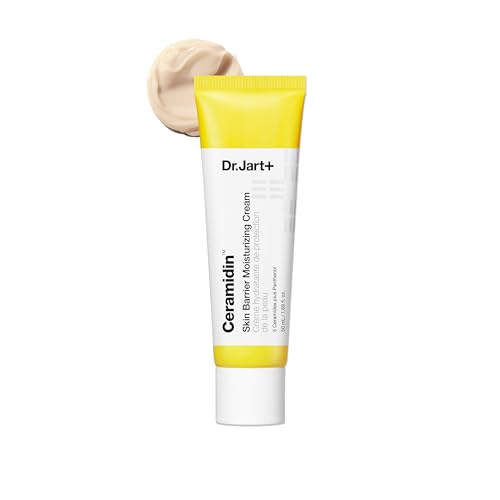
Dr. Jart+ Ceramidin Cream

2 — A richer ceramide cream

Dr. Jart+ Ceramidin Cream

What’s in it

  • Built around a ceramide complex, per the brand
  • Thick, balm-like cream texture
  • Widely sold in the US through Amazon and Sephora

For barrier repair when the drugstore cream is not enough, in a denser texture that suits winter and genuinely dry skin.

Who it’s not for

Anyone on a budget: it costs several times what an equivalent drugstore ceramide cream does.

$52.00 · View on Amazon

Amazon price as of October 16, 2026, 03:15 UTC — details

#ad — how we’re funded

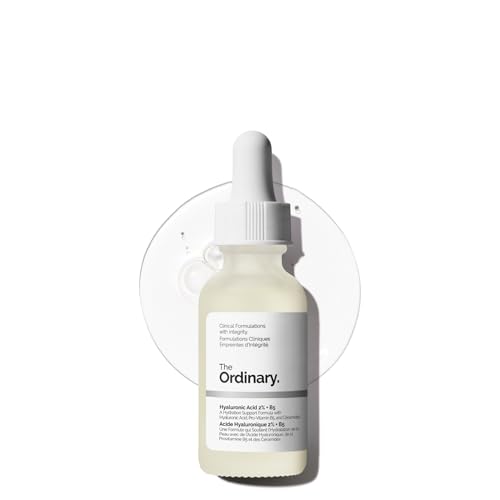
The Ordinary Hyaluronic Acid 2% + B5

3 — The cheapest way to try the step

The Ordinary Hyaluronic Acid 2% + B5

What’s in it

  • Labeled 2% hyaluronic acid with vitamin B5
  • Uses several molecular weights, per the brand
  • Water-based serum

A multi-weight blend at the lowest price in the category, which is the right way to buy a hyaluronic acid serum.

Who it’s not for

Anyone who will not seal it: on bare skin in dry air, a humectant serum can leave you tighter than before.

$9.90 · View on Amazon

Amazon price as of October 16, 2026, 03:15 UTC — details

#ad — how we’re funded

La Roche-Posay Hyalu B5 Serum

Premium Beauty listing

4 — A hyaluronic serum with soothing extras

La Roche-Posay Hyalu B5 Serum

What’s in it

  • Two hyaluronic acid molecular weights with vitamin B5 and madecassoside, per the brand
  • Contains parfum and alcohol denat., despite the sensitive-skin positioning
  • Sold in a pump bottle, 1.7 oz

The same idea as the budget option, with panthenol and madecassoside added to soothe alongside the humectants.

Who it’s not for

Fragrance-sensitive skin — parfum and denatured alcohol are both on the ingredient list. Also anyone shopping on price, since the active idea here is available for a fraction of the cost.

$53.97 · View on Amazon

Amazon price as of October 16, 2026, 03:15 UTC — details

#ad — how we’re funded

Frequently Asked Questions

Neither. Hyaluronic acid adds water; ceramides help keep it. Tight, flaky skin needs ceramides first.

Sources

Who wrote this

By Sawyer V.. An enthusiast who’s genuinely into this: I read the manufacturer documentation, compile the published percentages, and do the arithmetic. No lab coat.

What I don’t do: test products, accept free product, or accept payment for placement. I hold no clinical credential and don’t claim one. How we pick.

Published September 24, 2026 · Last updated September 24, 2026

A swatch of rich cream on dark stone

Ingredient monograph

Ceramides

The lipid your barrier is made of. Why the cholesterol and fatty acid alongside it matter more than the ceramide percentage.

Water droplets beaded on a dark glass surface, lit from one side

Ingredient monograph

Hyaluronic Acid

A humectant, not a moisturizer. Molecular weight matters more than percentage, and it must be sealed to work.

Water droplets beside a serum bottle on dark glass

Comparison

Niacinamide vs Hyaluronic Acid

Compared constantly, related barely. An active versus a humectant, and why dry skin needs neither of them alone.

Water droplets on a shoulder beside a pool float

Concern guide

Best Skincare for Dehydrated Skin

Dehydrated skin lacks water, not oil — even oily skin can have it. How to tell, what causes it, and the humectant-plus-seal fix.

Nothing here is medical advice. Editorial policy · How we pick · Affiliate disclosure