Skip to content
Glow & Gild

Comparison

Gel vs Cream Moisturizer

A gel is mostly water and humectants; a cream adds oils and butters to hold that water in. Your skin decides which one you need — and some people need both.

By Sawyer V. · Published September 10, 2026 · Last updated September 10, 2026

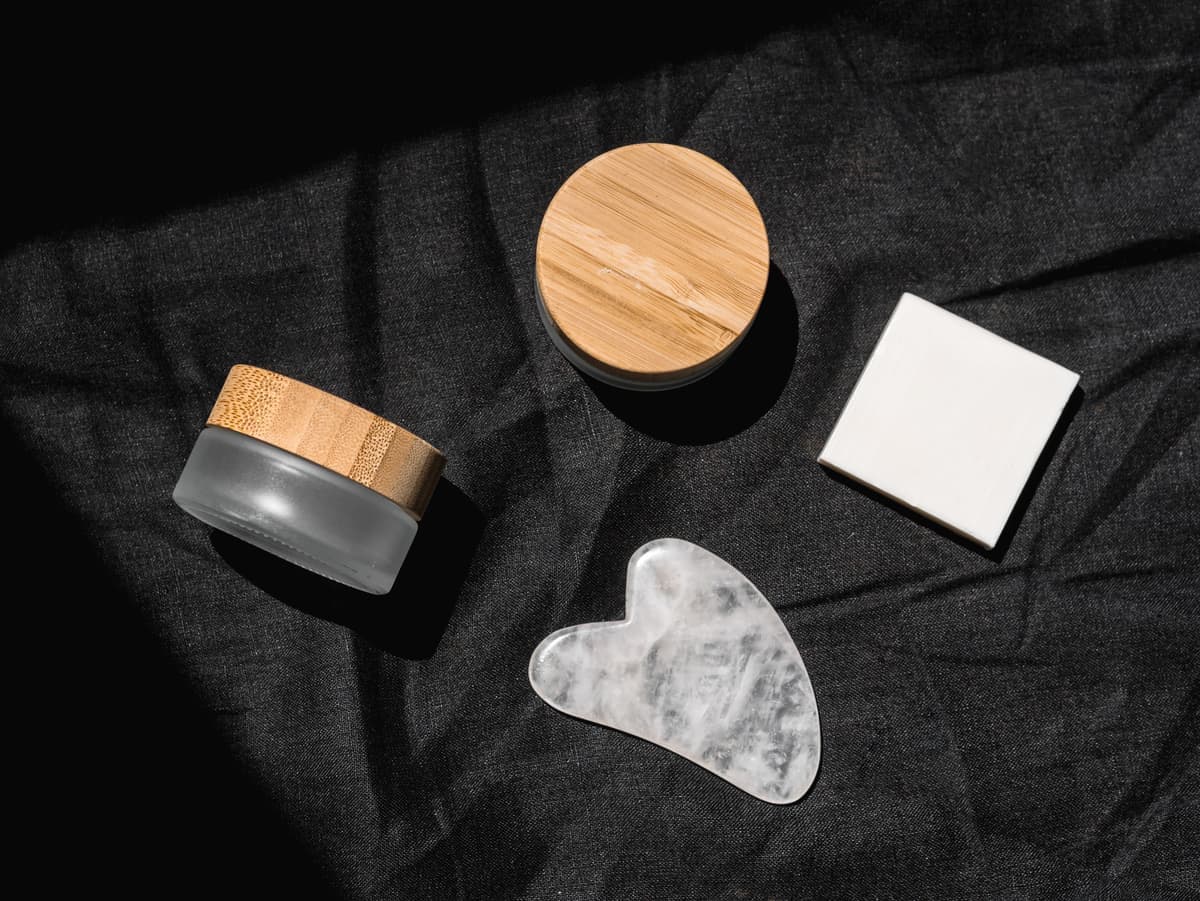
A jar of rich face cream photographed on a dark surface

The short answer

Choose a gel moisturizer for oily, combination or dehydrated skin that wants light hydration, and a cream for dry or mature skin that needs lipids to hold water in. Dermatologists note that creams and ointments add more moisture than lotions for dry skin. Many people use a gel in the morning and a cream at night.

Disclosure: Glow & Gild earns a commission when you buy through links on this page, at no extra cost to you. It does not change which product we recommend, and no brand pays for placement here. Read the full disclosure.

The Comparison, in One Table

Gel moisturizerCream moisturizer
BaseWater, humectants and gelling agents, often with siliconesWater plus oils, butters and emollients
FeelLight and quick to absorbRicher and more cushioning
Best forOily, combination and dehydrated skinDry, mature or easily irritated skin
StrengthHydration without heavinessHydration plus a seal that holds it in
WeaknessLittle seal on very dry skinCan feel heavy on oily skin

Which One Your Skin Needs

The difference comes down to what is holding the water. Gels rely on humectants such as glycerin and hyaluronic acid, which draw water into the skin. Creams add emollients and occlusives — oils, butters, petrolatum — that slow water loss. The American Academy of Dermatology's advice for dry skin is direct: ointments and creams add more moisture and are more effective than lotions, and a gel is lighter still.

  • Oily or acne-prone skin: a gel usually feels best and is less likely to feel heavy.
  • Combination skin: a gel all over, with a little cream on dry patches — see combination skin.
  • Dehydrated skin: a gel or light lotion over a hydrating layer — see dehydrated skin.
  • Dry or mature skin: a cream, applied to damp skin — see dry skin.
  • Sensitive skin: whichever texture suits you, fragrance-free.

Reading a Moisturizer Label

If you see…It is doing thisExample on this page
Glycerin, sodium hyaluronateDrawing water into the skinHydro Boost, Moisture Surge, CeraVe
Dimethicone and other siliconesGiving slip and a light sealHydro Boost, Moisture Surge
Petrolatum, ceramides, cholesterolHolding water in and supporting the barrierCeraVe Moisturizing Cream, Vanicream
Fragrance or parfumAdding scent, which can irritate sensitive skinHydro Boost Water Gel

Ingredient lists run roughly from most to least, so what sits near the top tells you the most about a texture. A gel usually leads with water, humectants and silicones; a cream brings fats and occlusives near the top. That is also why an expensive gel and a cheap one can feel alike — the base ingredients are often the same.

No product photoNo product photograph available for Neutrogena Hydro Boost Water Gel

1A classic gel

Neutrogena Hydro Boost Water Gel

What’s in it

  • Glycerin and sodium hyaluronate
  • A silicone-based gel texture
  • Fragrance listed

A widely sold example of the gel format: humectants and silicones, with no oils or butters.

Who it’s not for

Very dry skin, and fragrance-sensitive skin: fragrance is listed.

No product photoNo product photograph available for Clinique Moisture Surge 100H Auto-Replenishing Hydrator

Premium Beauty listing

2A gel-light formula with more extras

Clinique Moisture Surge 100H Auto-Replenishing Hydrator

What’s in it

  • Glycerin, trehalose and sodium hyaluronate
  • Aloe leaf water and caffeine
  • No plant oils near the top of the ingredient list

An oil-light moisturizer for dehydrated and combination skin — assessed in full in is Moisture Surge worth it?.

Who it’s not for

Very dry skin that needs a richer cream.

No product photoNo product photograph available for CeraVe Moisturizing Cream

3A classic cream

CeraVe Moisturizing Cream

What’s in it

  • Three ceramides, cholesterol and hyaluronic acid
  • Petrolatum and glycerin
  • No fragrance listed

It shows what the cream format adds: barrier lipids and petrolatum on top of the humectants.

Who it’s not for

Oily faces that dislike rich textures.

No product photoNo product photograph available for Vanicream Moisturizing Skin Cream

4A plain cream for sensitive skin

Vanicream Moisturizing Skin Cream

What’s in it

  • Petrolatum as the second ingredient
  • Eleven listed ingredients
  • No fragrance listed

A short, fragrance-free cream that seals water in, for dry skin that reacts to almost everything.

Who it’s not for

Anyone who wants a light, fast-absorbing feel.

Frequently Asked Questions

Usually a gel, which hydrates without the oils and butters that can feel heavy.

Sources

Who wrote this

By Sawyer V.. An enthusiast who’s genuinely into this: I read the manufacturer documentation, compile the published percentages, and do the arithmetic. No lab coat.

What I don’t do: test products, accept free product, or accept payment for placement. I hold no clinical credential and don’t claim one. How we pick.

Published September 10, 2026 · Last updated September 10, 2026

Nothing here is medical advice. Editorial policy · How we pick · Affiliate disclosure