Skip to content
Glow & Gild

Comparison

Face Oil vs Moisturizer

An oil cannot hydrate, because there is no water in it. That single fact explains almost every disappointed review in the category.

By Sawyer V. · Published September 27, 2026 · Last updated September 27, 2026

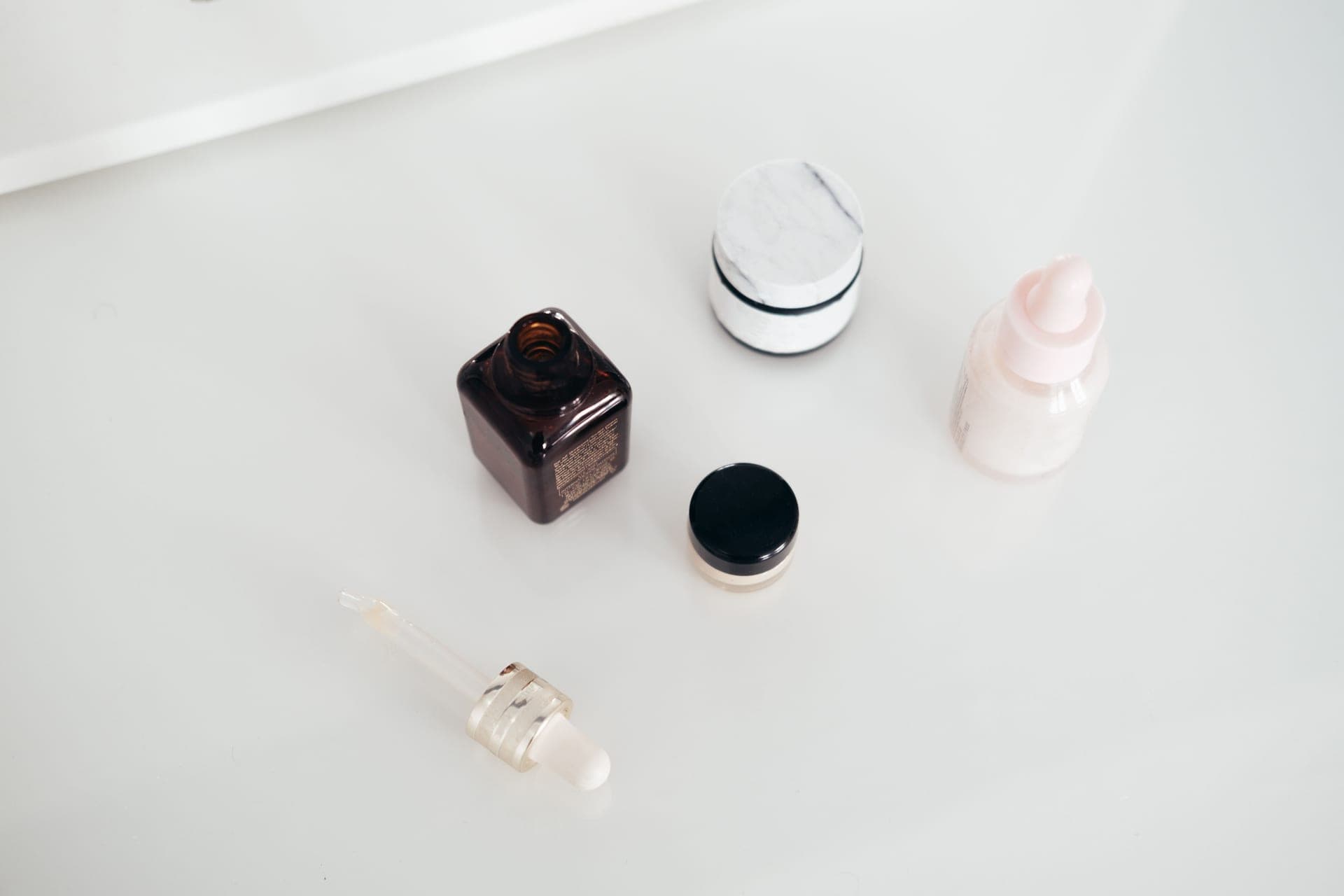
A glass dropper bottle beside an open cream jar

The short answer

A moisturizer combines humectants, emollients and occlusives, so it adds water and holds it in. A face oil is emollient and occlusive only — it softens and seals, but contains no water to give. Dry skin needs a moisturizer; an oil is an optional extra layer on top, not a replacement.

Disclosure: Glow & Gild earns a commission when you buy through links on this page, at no extra cost to you. It does not change which product we recommend, and no brand pays for placement here. Read the full disclosure.

The Short Answer

Moisturizers are built from three kinds of ingredient. Humectants such as glycerin or hyaluronic acid attract water. Emollients fill the gaps between surface cells so skin feels smooth. Occlusives sit on top and slow evaporation. A good moisturizer contains all three. A face oil is the middle two, and nothing else.

Your situationWhat you needWhy
Skin feels tight and dryMoisturizerTightness is a water problem; oil adds none
Skin is hydrated but looks dullOil, optionallyEmollients add surface softness and shine
Very dry skin in winterMoisturizer, then oilSeal the moisturizer rather than replace it
Oily skinLightweight moisturizerOil on top of oil rarely improves anything
Flaking after a retinoidMoisturizer firstBarrier repair needs water and lipids both
You like the ritual and the glowOilA legitimate reason, honestly stated

How They Actually Differ

Face oilMoisturizer
Contains waterNoYes, usually most of the formula
HumectantsNoYes
EmollientYesYes
OcclusiveYes, moderatelyYes, usually
Can be a whole routine stepOnly as a top layerYes, on its own
Suits oily skinSometimes, in small amountsYes, in a gel or lotion
Typical failure modeSkin still feels tightToo heavy for the weather

The claim that certain oils are hydrating is a labeling habit rather than a chemistry one. Squalane, marula and jojoba are all excellent emollients and none of them adds water. If skin feels tight after an oil, it is because the tightness was dehydration and nothing in the bottle addressed it.

Who Each One Suits

  • Everyone needs a moisturizer. This is the one step no skin type gets to skip, including oily skin.
  • Oils suit dry and normal skin as a final sealing layer, especially in cold, dry air.
  • Oily skin can use a light oil in small amounts, but a gel moisturizer usually serves better.
  • Acne-prone skin should be cautious with heavier plant oils; squalane is the safest starting point.
  • Fungal-acne-prone skin should avoid most plant oils entirely and use squalane if anything.

There is also an honest aesthetic answer. Oils feel and look better than most moisturizers — that is why they sell at the prices they do. Buying one for the finish is fine. Buying one to fix dryness that a moisturizer would fix is how people end up with an expensive bottle and the same tight skin.

Using Both, in the Right Order

  1. Cleanse, then apply any water-based serum while skin is still slightly damp.
  2. Moisturizer next. This is the step doing the actual work.
  3. Oil last, two or three drops, pressed rather than rubbed.
  4. Never oil before moisturizer. The oil forms a barrier the water-based product cannot cross.
  5. Sunscreen goes over the moisturizer in the morning, and oil is usually skipped then — it interferes with how sunscreen films form.
  6. In humid weather, drop the oil first rather than switching your moisturizer.

The order matters more than the products. An oil applied under a cream is a wasted step for both, and it is the single most common mistake in routines that contain both — see layering order for the whole sequence.

CeraVe Moisturizing Cream

1 — The moisturizer benchmark

CeraVe Moisturizing Cream

What’s in it

  • Three ceramides with cholesterol and hyaluronic acid
  • Petrolatum and glycerin in the base
  • No fragrance listed

It contains all three classes — humectant, emollient and occlusive — which is the whole argument for a moisturizer over an oil, at drugstore prices.

Who it’s not for

Oily skin in summer, where the petrolatum base feels heavy, and anyone who wants a quick-absorbing lotion rather than a thick cream.

$18.96 · View on Amazon

Amazon price as of October 16, 2026, 03:15 UTC — details

#ad — how we’re funded

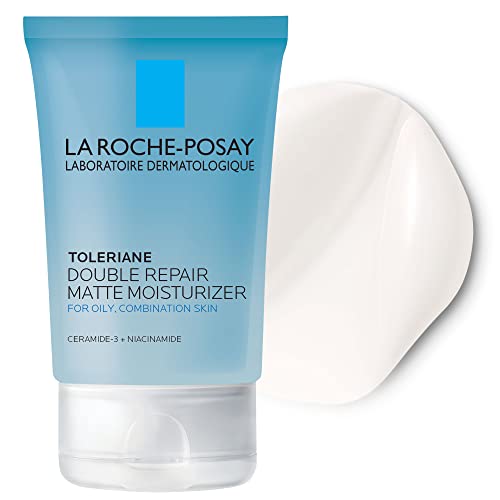
La Roche-Posay Toleriane Double Repair Matte Face Moisturizer

Premium Beauty listing

2 — A moisturizer for oily skin

La Roche-Posay Toleriane Double Repair Matte Face Moisturizer

What’s in it

  • Ceramide-3 and niacinamide, per the brand
  • Oil-free, with a matte finish
  • Fragrance-free

Proof that oily skin does not need to skip moisturizer, only to choose an oil-free one with a matte finish.

Who it’s not for

Dry or mature skin, which will find it insufficient on its own in winter.

$24.99 · View on Amazon

Amazon price as of October 16, 2026, 03:15 UTC — details

#ad — how we’re funded

Cliganic Pure Squalane Oil

3 — The safest first oil

Cliganic Pure Squalane Oil

What’s in it

  • Single-ingredient formula: squalane and nothing else, fragrance-free
  • Olive-derived squalane, per the brand
  • Non-GMO Project Verified and EWG Verified; 1 fl oz

One ingredient, no fragrance and the lowest congestion risk in the category, which makes it the sensible way to find out whether you like oils at all.

Who it’s not for

Anyone expecting it to hydrate — it is pure emollient — or wanting a richer, more nourishing feel on very dry skin.

$9.99 · View on Amazon

Amazon price as of October 16, 2026, 03:15 UTC — details

#ad — how we’re funded

Drunk Elephant Virgin Marula Luxury Facial Oil

Premium Beauty listing

4 — A richer single-ingredient oil

Drunk Elephant Virgin Marula Luxury Facial Oil

What’s in it

  • Marula oil as the single ingredient, per the brand
  • Unscented
  • Dropper bottle

A heavier, more cushioning oil than squalane for genuinely dry skin, still with a one-ingredient list so nothing is hidden.

Who it’s not for

Oily or congestion-prone skin, and anyone unwilling to pay prestige prices for a single plant oil.

$38.56 · View on Amazon

Amazon price as of October 16, 2026, 03:15 UTC — details

#ad — how we’re funded

Skip This One

Replacing your moisturizer with an oil

This is the most common piece of bad advice in the category, and it fails for a reason that is not debatable: there is no water in an oil. Skin that feels tight is short of water, and sealing a dry surface traps nothing. People who make the swap report the same dryness a month later plus a new shine, and often conclude their skin is dehydrated beyond help. Keep the moisturizer. Add the oil on top if you like it.

Frequently Asked Questions

No. Oils contain no water and no humectants, so they cannot hydrate. They seal and soften over a moisturizer.

Sources

Who wrote this

By Sawyer V.. An enthusiast who’s genuinely into this: I read the manufacturer documentation, compile the published percentages, and do the arithmetic. No lab coat.

What I don’t do: test products, accept free product, or accept payment for placement. I hold no clinical credential and don’t claim one. How we pick.

Published September 27, 2026 · Last updated September 27, 2026

Drunk Elephant Virgin Marula Luxury Facial Oil

Roundup

Best Face Oils

Single oils, blends and retinoid oils for dry and dull skin — and why an oil seals in hydration rather than adding it.

Top pick: Drunk Elephant Virgin Marula Luxury Facial Oil

$38.56 · View on Amazon

Amazon price as of October 16, 2026, 03:15 UTC — details

A jar of rich face cream photographed on a dark surface

Comparison

Gel vs Cream Moisturizer

Gel and cream moisturizers compared — what each is made of, which skin types they suit, and when you need both.

Skincare bottles lined up along a dark shelf

Guide

Skincare Layering Order

Thin to thick, water before oil, sunscreen last. Which two conflicts are real and which five are myths.

Golden facial oil in a dropper against a dark background

Ingredient monograph

Squalane

A stable version of a lipid your own skin makes. No dose, no downside, and a sourcing question worth asking.

An open jar of night cream beside a dropper bottle

Comparison

Serum vs Moisturizer

Serums carry actives, moisturizers hold water in — whether you need both, and the order they go in.

Nothing here is medical advice. Editorial policy · How we pick · Affiliate disclosure