The Short Answer
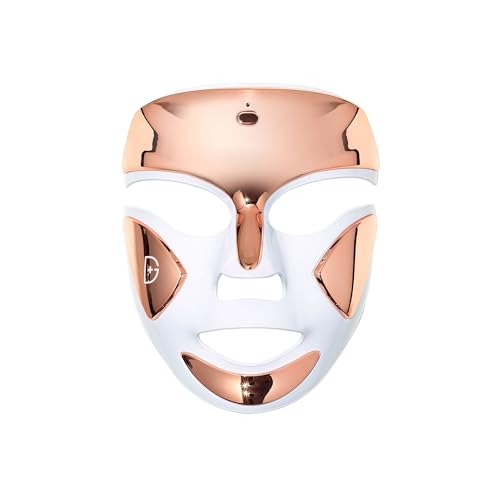
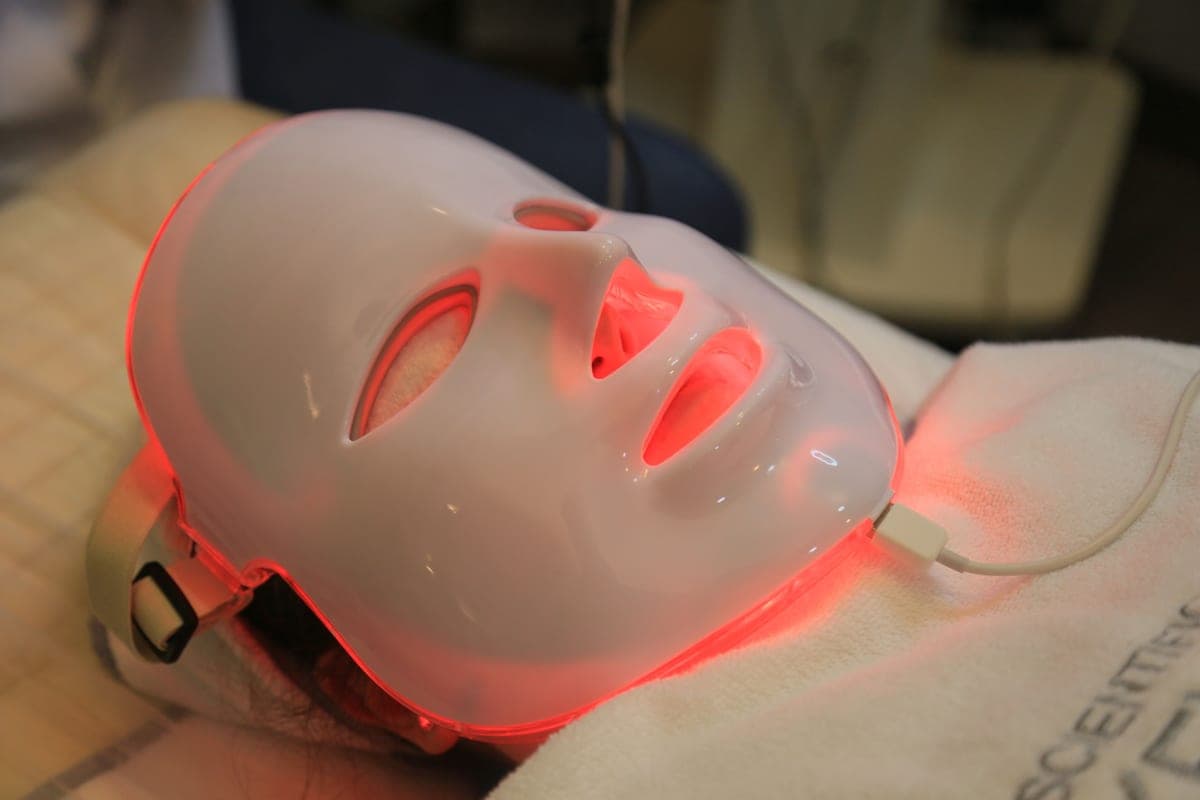
These devices are not competing treatments for the same problem. LED works on the skin: specific wavelengths of red and near-infrared light are absorbed by cells, and the published work concerns fine lines, tone and wound healing over repeated sessions. Microcurrent works on the muscle underneath: a very low current stimulates facial muscles, and the result is a lift you can see the same day and lose within two.
| What you want | Pick | Why |
|---|---|---|
| Fine lines over six months | LED mask | Cumulative effect on collagen |
| To look lifted for an event tonight | Microcurrent | Visible within one session |
| Zero-effort consistency | LED mask | Sit still for ten minutes; no technique |
| Jawline and cheek definition | Microcurrent | It acts on muscle, not skin surface |
| Redness and post-breakout healing | LED mask | Red light has a healing literature |
| A permanent change | Neither | Both require ongoing use to hold results |
| The lowest total cost | Neither, honestly | Sunscreen and a retinoid outperform both per dollar |
How They Actually Differ
| LED mask | Microcurrent | |
|---|---|---|
| Acts on | Skin cells | Facial muscles |
| Time to visible result | Weeks to months | Minutes |
| How long the result lasts | Builds and holds with use | A day or two per session |
| Session length | About 3 to 10 minutes | 5 to 20 minutes |
| Effort during use | None — hands free | Active; you glide the device |
| Consumables | None | Conductive gel, bought repeatedly |
| Typical price | Roughly $150 to $500 | Roughly $200 to $500 |
| Realistic frequency | Most days | Five times a week to maintain |
The consumable matters more than people expect. Microcurrent will not conduct without a gel, manufacturers specify a compatible one, and you will buy it for as long as you own the device. Budget for it, because the honest cost of microcurrent is the device plus several years of gel.
Who Each One Suits
- LED suits anyone who will use it consistently, wants no technique to learn, and is treating fine lines, tone or post-breakout healing.
- Microcurrent suits people who like the ritual, want a same-day lift for events, and will keep buying gel.
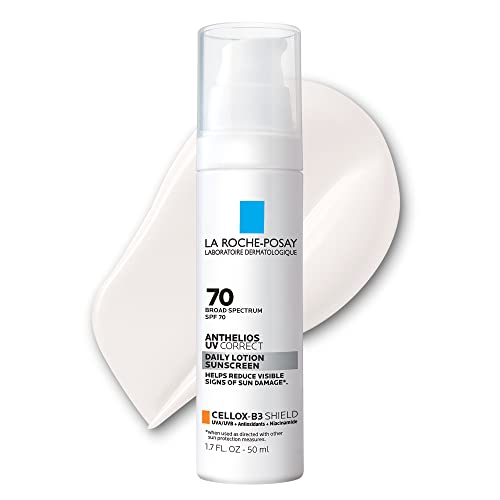
- Neither suits anyone whose routine lacks daily sunscreen. Photoprotection outperforms both by a wide margin at a fraction of the cost — see best face sunscreen daily.
- Skip both if a retinoid is not yet in your routine. Topical retinoids have the strongest evidence in anti-aging and cost a fraction of either device — see retinol.
- Pregnancy, pacemakers and implanted devices: microcurrent is contraindicated in several of these; check the manual and ask a clinician.
Our own position on both categories is set out on the LED face masks and microcurrent devices pages: they are legitimate additions to a routine that already does the basics, and a poor substitute for one that does not.
Getting Value Out of Either
- Use on clean, bare skin for LED; serums can block or scatter light.
- Use with the manufacturer's gel for microcurrent, generously enough that the device glides.
- Pick a realistic schedule and keep it. Both categories fail from abandonment, not from ineffectiveness.
- Take a photo at the start, in the same light and angle. Memory is not a measurement.
- Judge LED at twelve weeks, microcurrent after one session and then at eight weeks of regular use.
- Keep the basics running underneath. Neither device replaces sunscreen, a retinoid or a moisturizer.