Skip to content
Glow & Gild

Comparison

Retinol vs Niacinamide

One is a lead active with a real adjustment period. The other is the supporting ingredient that makes the first one survivable.

By Sawyer V. · Published September 8, 2026 · Last updated September 8, 2026

Two serum bottles side by side under directional light

The short answer

Retinol changes skin structure over months and irritates while doing it. Niacinamide supports the barrier, regulates oil and helps pigment, with almost no irritation. They are not alternatives — niacinamide is what makes a retinoid routine tolerable.

Disclosure: Glow & Gild earns a commission when you buy through links on this page, at no extra cost to you. It does not change which product we recommend, and no brand pays for placement here. Read the full disclosure.

The Comparison, in One Table

RetinolNiacinamide
RoleLead active — changes skin structureSupporting active — improves tolerance and regulates
Best forLines, texture, congestion, pore appearanceBarrier, oil, redness, pigment transfer
IrritationModerate, with a real adjustment periodLow at 5%; complaints cluster at 10%
Time to visible change8 to 12 weeks texture; 6 to 12 months collagen2 weeks barrier; 4 to 8 weeks oil; 12 weeks pigment
Time of dayNight onlyEither, or both
CostWide rangeConsistently cheap

Why These Are Not Alternatives

People arrive at this comparison because both are sold as anti-aging serums at the same shelf position and the same price bracket. That framing is misleading.

Retinol accelerates cell turnover and prompts collagen production. It changes the structure of skin over months, and the cost of that is barrier disruption while it happens — the flaking, tightness and stinging of the adjustment period.

Niacinamide increases the skin's own production of barrier lipids. It does not change structure; it makes the barrier more robust. Which is exactly what a retinoid routine needs.

So the standard, correct arrangement is both: retinol as the active, niacinamide as the support. Choosing between them is a question people are pushed into by marketing rather than by the ingredients.

When to Start With Niacinamide

Your skin is oily or congested. Sebum regulation is something niacinamide does and retinol does not, and for visible oiliness it is the more direct answer.

Your barrier is already compromised. If your skin stings on water, feels tight, or reacts to products it used to tolerate, adding a retinoid makes it worse. Repair first, with niacinamide and a ceramide moisturizer, then introduce the retinoid.

You want one very low-risk addition. Niacinamide at 5% is close to the lowest-friction active available: no adjustment period, no photosensitivity, no time-of-day constraint, and cheap.

You are pregnant or breastfeeding. Topical vitamin A derivatives are avoided; niacinamide is not. Pair it with azelaic acid for a routine that covers most of what a retinoid would.

When to Start With Retinol

Your concern is lines or texture. Niacinamide does very little here. If crepiness, fine lines or rough texture is why you are shopping, the retinoid is the purchase and niacinamide is the accessory.

You want the largest long-term structural change. The retinoid evidence base for collagen is deeper than for any other cosmetic ingredient, and the effect compounds over years.

Your barrier is healthy and you can tolerate an adjustment period. The whole cost of retinol is paid in the first month or two. If you can get through that, the ingredient pays back for years.

Using Both, Which Is the Answer

  1. Introduce niacinamide first, at 5%, once or twice daily. Give it two to three weeks.
  2. Then add retinol, two nights a week, on dry skin.
  3. Apply the retinol first at night, then moisturizer. Niacinamide can go in the morning, or before the retinoid, or in your moisturizer — it is tolerant enough that the order genuinely does not matter.
  4. Increase retinol frequency, not strength, over the following weeks.
  5. If flaking starts, keep the niacinamide and reduce the retinoid. That is what the support is there for.
  6. Add a ceramide moisturizer if the barrier is still complaining. See ceramides.

A Pick for Each Side

Both, ideally, and in this order.
No product photoNo product photograph available for Geek & Gorgeous Niacinamide 5% Serum

1Start here

Geek & Gorgeous Niacinamide 5% Serum

What’s in it

  • Labeled 5% niacinamide, the evidence-backed concentration
  • No zinc, so it layers cleanly under sunscreen
  • Fragrance-free, water-based, inexpensive

Introducing barrier support before the retinoid is the sequence that makes retinoid routines stick, and 5% is the concentration that does it without causing its own problems.

Who it’s not for

Anyone whose concern is lines or texture and who has a healthy barrier already. In that case this is a useful accessory rather than the purchase, and the retinoid is what you actually came for.

No product photoNo product photograph available for La Roche-Posay Retinol B3 Serum

Premium Beauty listing

2Then add this

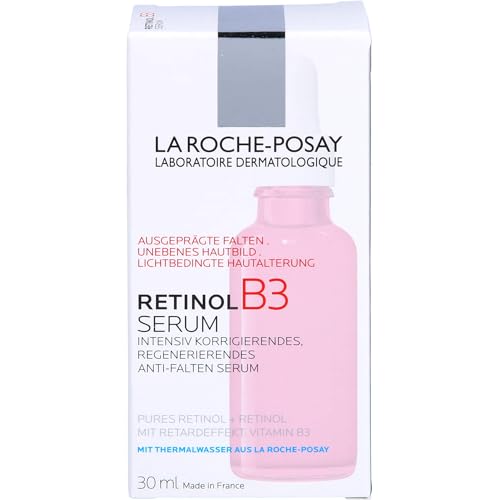
La Roche-Posay Retinol B3 Serum

What’s in it

  • Pure retinol plus a gradual-release retinol derivative, published by the brand
  • Niacinamide as the supporting ingredient — both actives in one product
  • Opaque pump packaging

It solves this comparison inside a single bottle: a buffered retinoid with meaningful niacinamide support built in, which is the arrangement the whole page argues for.

Who it’s not for

Anyone who wants to know exactly what retinoid dose they are getting. The gradual-release fraction is described rather than quantified, which is the price of the gentler experience.

Frequently Asked Questions

Both. Niacinamide is the barrier support that makes a retinoid routine tolerable, not an alternative to it. Introduce niacinamide first, then add the retinoid.

Sources

Who wrote this

By Sawyer V.. An enthusiast who’s genuinely into this: I read the manufacturer documentation, compile the published percentages, and do the arithmetic. No lab coat.

What I don’t do: test products, accept free product, or accept payment for placement. I hold no clinical credential and don’t claim one. How we pick.

Published September 8, 2026 · Last updated September 8, 2026

Amber glass serum bottle with a dropper on a dark surface, lit from one side

Ingredient monograph

Retinol

The most studied over-the-counter retinoid. What each percentage band is for, and how to start without peeling.

Read it
Clear serum texture pooled on dark glass

Ingredient monograph

Niacinamide

Barrier, oil, pores and pigment from one cheap molecule. Why 5% is the evidence-backed dose and 10% is the marketing one.

Read it
A swatch of rich cream on dark stone

Ingredient monograph

Ceramides

The lipid your barrier is made of. Why the cholesterol and fatty acid alongside it matter more than the ceramide percentage.

Read it
A small set of skincare essentials on a dark surface

Guide

Starter Actives

Four products do most of the work. A twelve-week sequence for adding them, and what to ignore until they are established.

Read it

Nothing here is medical advice. Editorial policy · How we pick · Affiliate disclosure