The Short Answer
The difference is the carrier. Alcohol is volatile: it flashes off and takes the lightest molecules with it, which is what creates the opening you smell in the first ten minutes and the drydown hours later. An oil carrier does not evaporate, so the fragrance releases slowly and mostly stays within a few inches of your skin.
| What you want | Pick | Why |
|---|---|---|
| To be noticed across a room | Eau de parfum | Alcohol projects; oil does not |
| A scent only close friends notice | Perfume oil | Stays within inches of the skin |
| The longest wear on skin | Perfume oil | No evaporation means slower release |
| To smell the full development | Eau de parfum | Top, heart and base unfold over hours |
| Office or shared spaces | Perfume oil | Low sillage is a courtesy, not a compromise |
| Sensitive skin or alcohol dryness | Perfume oil | Nothing drying in the carrier |
| Travel without liquid limits | Perfume oil, roll-on | Small, sealed and hard to spill |
How They Actually Differ
| Perfume oil | Eau de parfum | |
|---|---|---|
| Carrier | Jojoba, fractionated coconut or similar | Alcohol and water |
| Projection (sillage) | Low | Moderate to high |
| Longevity on skin | Long, in a small radius | Varies; often shorter on skin |
| Development through notes | Muted | The whole point of the format |
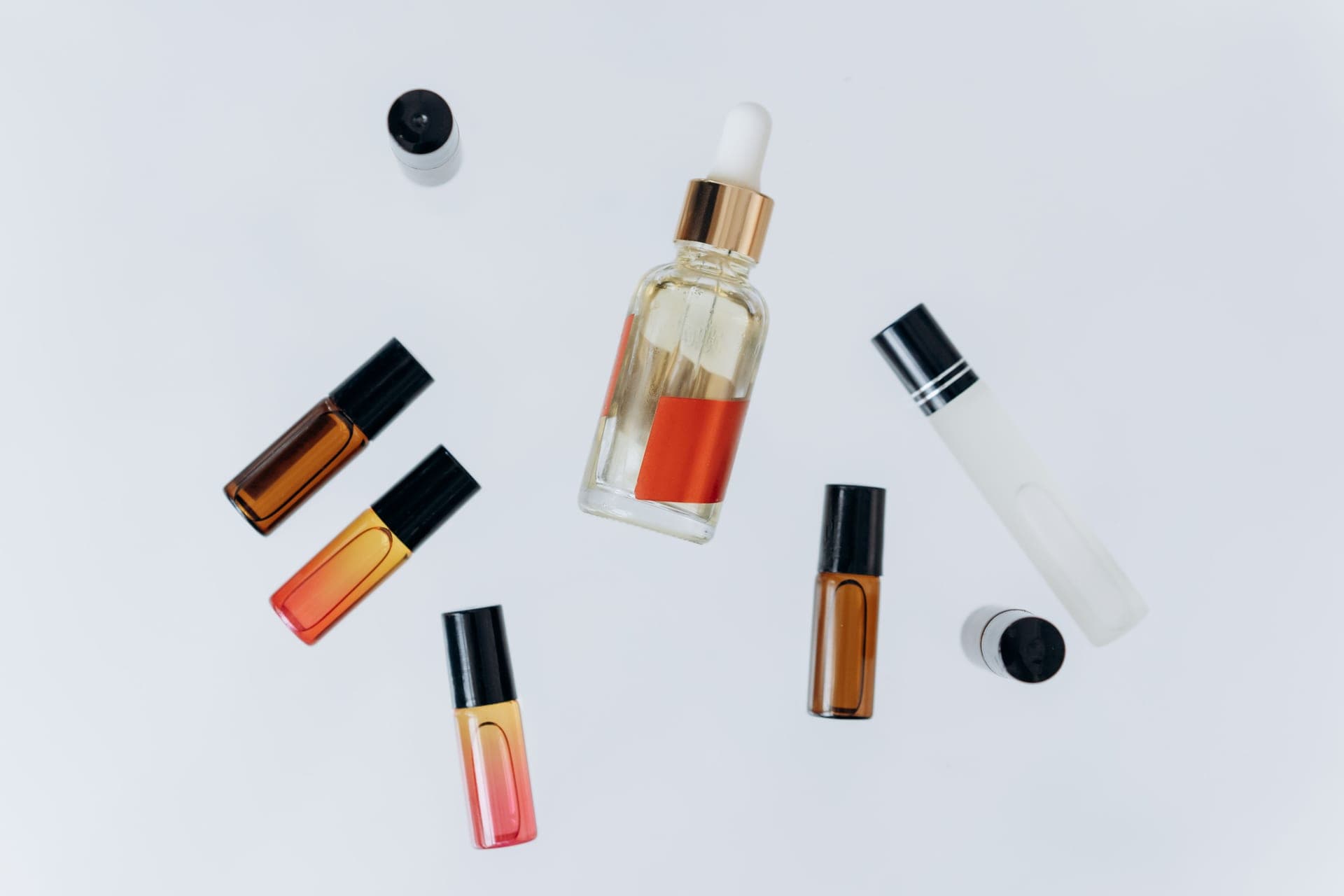
| Application | Roll-on or dab | Spray |
| Reapplication | Easy and discreet | Awkward in public |
| Clothing safety | Can stain fabric | Generally safe, can mark silk |
Longevity claims need care. Oils genuinely last longer at the point of application, which people report as better longevity. Sprays cover more skin and project further, so they are perceived for longer by other people. Both statements are true, and they are answers to different questions — see fragrance longevity and sillage vs projection.
Who Each One Suits
- Oils suit close-quarters wear, offices, sensitive skin, layering under a spray, and anyone who finds most fragrance too loud.
- Eau de parfum suits anyone who wants a scent to announce itself, to evolve over a day, or to be noticed by other people rather than only by the wearer.
- Oils are the discreet option for warm climates, where alcohol-based sprays amplify in heat.
- Fragrance-oil houses are often cheaper per wear, because a 10ml roll-on lasts a long time at a dab per use.
- Both can be layered: an oil under a matching or complementary spray extends the base without adding projection.
There is also a supply difference worth knowing. The great designer and niche compositions are almost all sold as sprays; the oil world is dominated by independent and Middle Eastern houses with their own repertoire. Choosing oil often means choosing different perfumes, not the same perfume in a different bottle.
Applying Each Properly
- Oil: dab on pulse points — wrists, behind the ears, the base of the throat — and do not rub. Rubbing crushes the top notes.
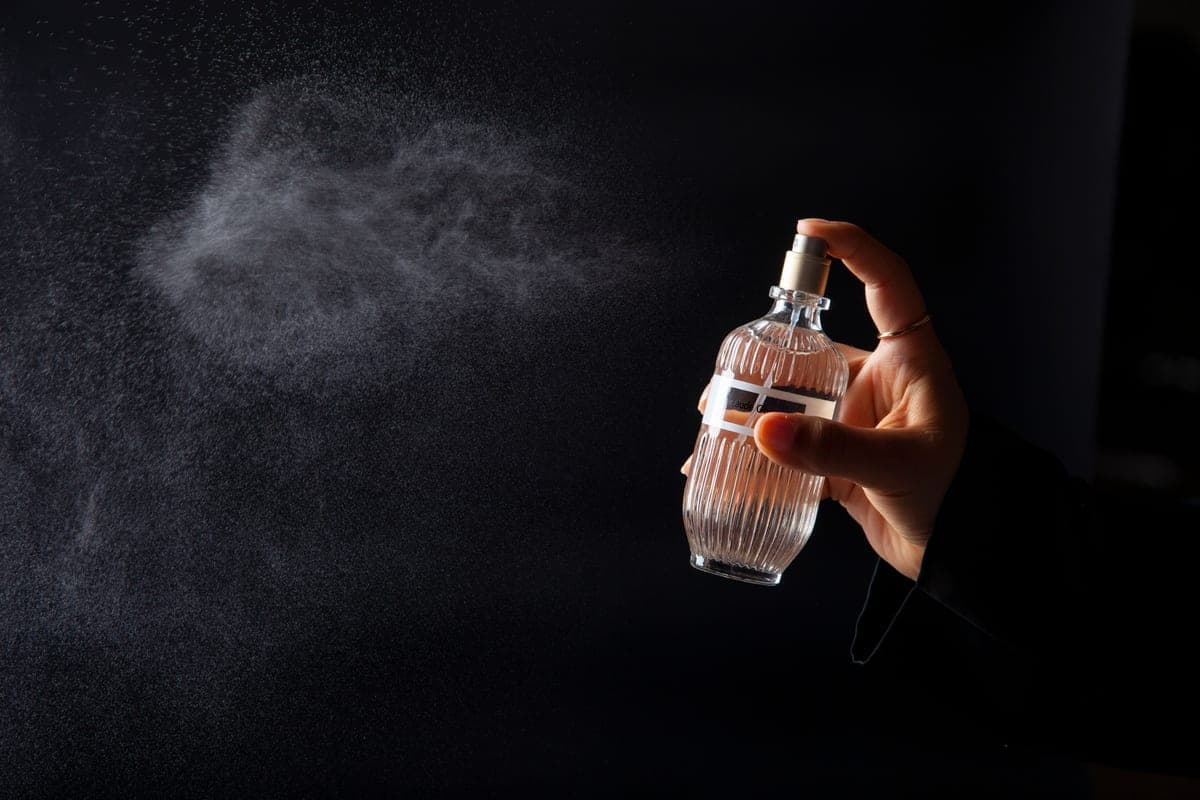
- Spray: two sprays, from about six inches, onto skin rather than clothes.
- Apply to moisturized skin. Both formats last longer on skin that is not dry.
- Reapply oil at the same points rather than adding new ones through the day.
- Do not spray onto silk or pale fabric, and keep oils off clothing entirely.
- Store both away from light and heat. Oils go rancid eventually; sprays turn sour.
How to apply a spray so it lasts is covered in more detail in how to apply perfume. The short version applies to both: fewer applications, better placed, on hydrated skin.