Skip to content
Glow & Gild

Comparison

Chemical vs Physical Exfoliation

One dissolves the glue holding dead cells on; the other rubs them off. The first is more controllable, which is why it won the face — but not the body.

By Sawyer V. · Published September 27, 2026 · Last updated September 27, 2026

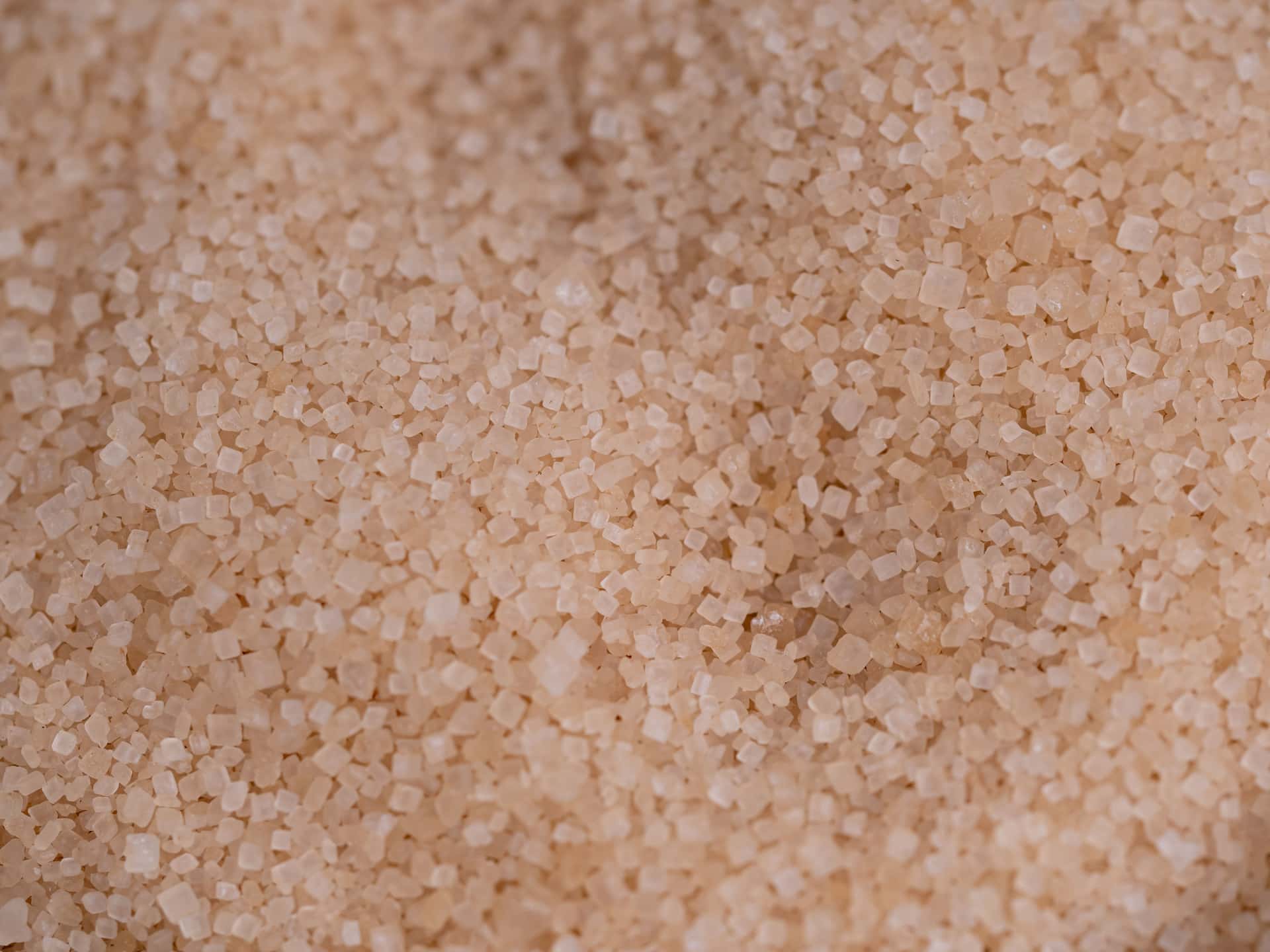
A textured scrub and a clear liquid in small dishes

The short answer

Chemical exfoliation uses acids or enzymes to dissolve the bonds between dead surface cells, giving even results at a controllable dose. Physical exfoliation removes them by abrasion, which is harder to dose but better on body skin. For the face, start chemical. For rough elbows, knees and feet, physical still wins.

Disclosure: Glow & Gild earns a commission when you buy through links on this page, at no extra cost to you. It does not change which product we recommend, and no brand pays for placement here. Read the full disclosure.

The Short Answer

Skin sheds itself. Exfoliation is the business of speeding that up when it slows down, and there are exactly two ways to do it: dissolve the desmosomes holding dead cells together, or scrape the cells off. Acids do the first predictably and evenly. Scrubs, brushes and cloths do the second, and how much they remove depends on how hard you press.

WhereBetter choiceWhy
Face, general dullnessChemicalEven result, dose you can control
Face, clogged poresChemical (salicylic)Oil-soluble acid works inside the pore
Face, sensitive or rosacea-proneChemical, low strengthAbrasion aggravates reactive skin
Body: elbows, knees, heelsPhysicalThick skin responds to abrasion
Keratosis pilaris on armsBoth, chemical firstAcid softens, gentle physical lifts
Active acneNeither aggressivelyScrubbing spreads it; treat it instead
Before self-tannerPhysicalYou want the surface genuinely smooth

How They Actually Differ

ChemicalPhysical
MechanismDissolves cell-to-cell bondsAbrades cells away
Dose controlGood — concentration and pH are statedPoor — depends on pressure
EvennessEven across the whole areaUneven; more where you pressed
Works inside poresYes, with salicylic acidNo
Immediate smoothnessBuilds over daysInstant
Main riskOver-use, stinging, barrier damageMicro-tears and irritation
Cost per useLowLow

Chemical exfoliation is not gentler by nature — a strong glycolic peel is far harsher than a soft washcloth. It is more controllable, which is a different and more useful property. You can read the percentage on the bottle; you cannot read how hard your own hand presses.

Who Each One Suits

  • Chemical suits faces, uneven tone, clogged pores, fine texture and anyone who wants a repeatable dose.
  • Physical suits body skin, pre-tan prep, thick heels, and anyone who likes an immediate result they can feel.
  • Sensitive and rosacea-prone skin should use neither aggressively; a low-strength acid twice a week is the ceiling for most.
  • Acne-prone skin should treat the acne with an acne active rather than sand the spots — see azelaic acid vs benzoyl peroxide.
  • Anyone on a retinoid is already exfoliating chemically and needs far less of either than they think.

The most common mistake in this comparison is treating it as a loyalty question. Most people should use a chemical exfoliant on the face once or twice a week and something physical on their heels once a week, and would be worse off doing either more often than that.

How Often, Which Matters More Than Which

  1. Start at once a week, whichever type you chose, and hold there for a month.
  2. Increase only if skin is comfortable and nothing is stinging, flaking or looking shiny-tight.
  3. Two or three times a week is the normal ceiling for a face, less if you use a retinoid.
  4. Never exfoliate the same area two days running. Recovery is the point of the gap.
  5. Stop entirely for two weeks if skin stings on water. That is over-exfoliation, not sensitivity you were born with.
  6. Sunscreen daily, because freshly exfoliated skin burns faster.

Over-exfoliation is the single most common self-inflicted skin problem, and it masquerades as sensitivity, dehydration and even acne. If your skin got worse after you improved your routine, the new routine is probably doing too much of this.

The Ordinary Glycolic Acid 7% Exfoliating Toner

1 — Chemical exfoliation, cheaply

The Ordinary Glycolic Acid 7% Exfoliating Toner

What’s in it

  • Labeled 7% glycolic acid in a leave-on toner
  • Includes Tasmanian pepperberry and aloe as stated soothing agents
  • Large bottle format, which suits body use as well as face

A stated percentage in a large bottle, which makes it the cheapest way to run a controlled chemical exfoliation on face and body.

Who it’s not for

Sensitive or rosacea-prone skin, and anyone who will use it nightly — 7% glycolic every day is how people end up with a damaged barrier.

$13.50 · View on Amazon

Amazon price as of October 16, 2026, 03:15 UTC — details

#ad — how we’re funded

Paula's Choice Skin Perfecting 2% BHA Liquid Exfoliant

Premium Beauty listing

2 — Clogged pores specifically

Paula's Choice Skin Perfecting 2% BHA Liquid Exfoliant

What’s in it

  • Labeled 2% salicylic acid, the strength permitted for OTC use
  • Leave-on liquid rather than a rinse-off wash
  • Fragrance-free

Salicylic acid is oil-soluble, so it works inside the pore rather than only on the surface — the one thing no scrub can do.

Who it’s not for

Dry skin with no congestion, where an acid aimed at oil is the wrong tool, and anyone who cannot tolerate the faint scent of salicylic acid.

$37.00 · View on Amazon

Amazon price as of October 16, 2026, 03:15 UTC — details

#ad — how we’re funded

First Aid Beauty KP Bump Eraser Body Scrub with 10% AHA

Premium Beauty listing

3 — Body: physical plus chemical together

First Aid Beauty KP Bump Eraser Body Scrub with 10% AHA

What’s in it

  • Labeled 10% AHA alongside physical exfoliating particles
  • Formulated for keratosis pilaris on arms and legs
  • The listing linked here is the unscented 8 oz version

Rough, bumpy body skin is the one place where doing both at once genuinely beats doing either — the acid softens and the grains lift.

Who it’s not for

Faces — this is a body product and too abrasive above the neck — and anyone with actively inflamed or broken skin.

$30.00 · View on Amazon

Amazon price as of October 16, 2026, 03:15 UTC — details

#ad — how we’re funded

CeraVe Renewing Salicylic Acid Cleanser

4 — The gentlest way to start

CeraVe Renewing Salicylic Acid Cleanser

What’s in it

  • Salicylic acid in a rinse-off gel cleanser base
  • Formulated with ceramides, per the brand
  • The listing linked here is the 16 oz size

Short contact time makes a wash the most forgiving introduction to acids, which is exactly what over-exfoliated skin needs.

Who it’s not for

Anyone wanting a visible change in texture quickly — a cleanser is the mildest option here and works slowly by design.

$15.97 · View on Amazon

Amazon price as of October 16, 2026, 03:15 UTC — details

#ad — how we’re funded

Skip This One

A cleansing brush used daily on acne-prone skin

Spinning brushes feel productive and are the fastest route to a damaged barrier on skin that is already inflamed. Daily mechanical abrasion over active acne spreads bacteria, worsens redness and leaves marks that take months to fade — and none of it addresses why the spots are forming. If you own one, use it on your back once a week and treat your face with an actual acne active instead. Our [facial cleansing brushes](/tools/facial-cleansing-brushes) page covers where they do earn a place.

Frequently Asked Questions

Not inherently — a strong peel is harsher than a soft cloth. It is more controllable, because the dose is printed on the bottle.

Sources

Who wrote this

By Sawyer V.. An enthusiast who’s genuinely into this: I read the manufacturer documentation, compile the published percentages, and do the arithmetic. No lab coat.

What I don’t do: test products, accept free product, or accept payment for placement. I hold no clinical credential and don’t claim one. How we pick.

Published September 27, 2026 · Last updated September 27, 2026

Paula's Choice Skin Perfecting 2% BHA Liquid Exfoliant

Roundup

Best Chemical Exfoliants

Three acid families doing three different jobs. Why pH matters as much as percentage, and the format that invites over-use.

Top pick: Paula's Choice Skin Perfecting 2% BHA Liquid Exfoliant

$15.00 · View on Amazon

Amazon price as of October 16, 2026, 03:15 UTC — details

A close-up of coarse sugar crystals

Roundup

Best Body Scrubs

Sugar, coffee and acid body exfoliators — how often to use them, and when a leave-on acid beats a scrub.

Top pick: Tree Hut Shea Sugar Scrub

Two exfoliant bottles side by side on a dark surface

Comparison

Glycolic Acid vs Salicylic Acid

Water-soluble versus oil-soluble, which decides everything. Surface texture or inside the pore — pick the one that matches.

Hands holding a silicone cleansing brush with foaming cleanser

Device

Facial Cleansing Brushes

What a cleansing brush adds over your fingertips, why gentle hands are the dermatology default, and who a brush genuinely suits.

Clear liquid exfoliant in a glass bottle on a dark background

Ingredient monograph

Salicylic Acid

The oil-soluble acid, which is why it works inside a pore. What 0.5%, 1% and 2% are each for.

Nothing here is medical advice. Editorial policy · How we pick · Affiliate disclosure