What It Is, and Where It Comes From
Ferulic acid is a hydroxycinnamic acid derivative and a phenolic compound — a plant molecule, not a derivative of vitamin A or a laboratory acid designed to dissolve skin. Plants build it from caffeic acid using an enzyme called caffeate O-methyltransferase, and it is described as ubiquitous in the plant kingdom.
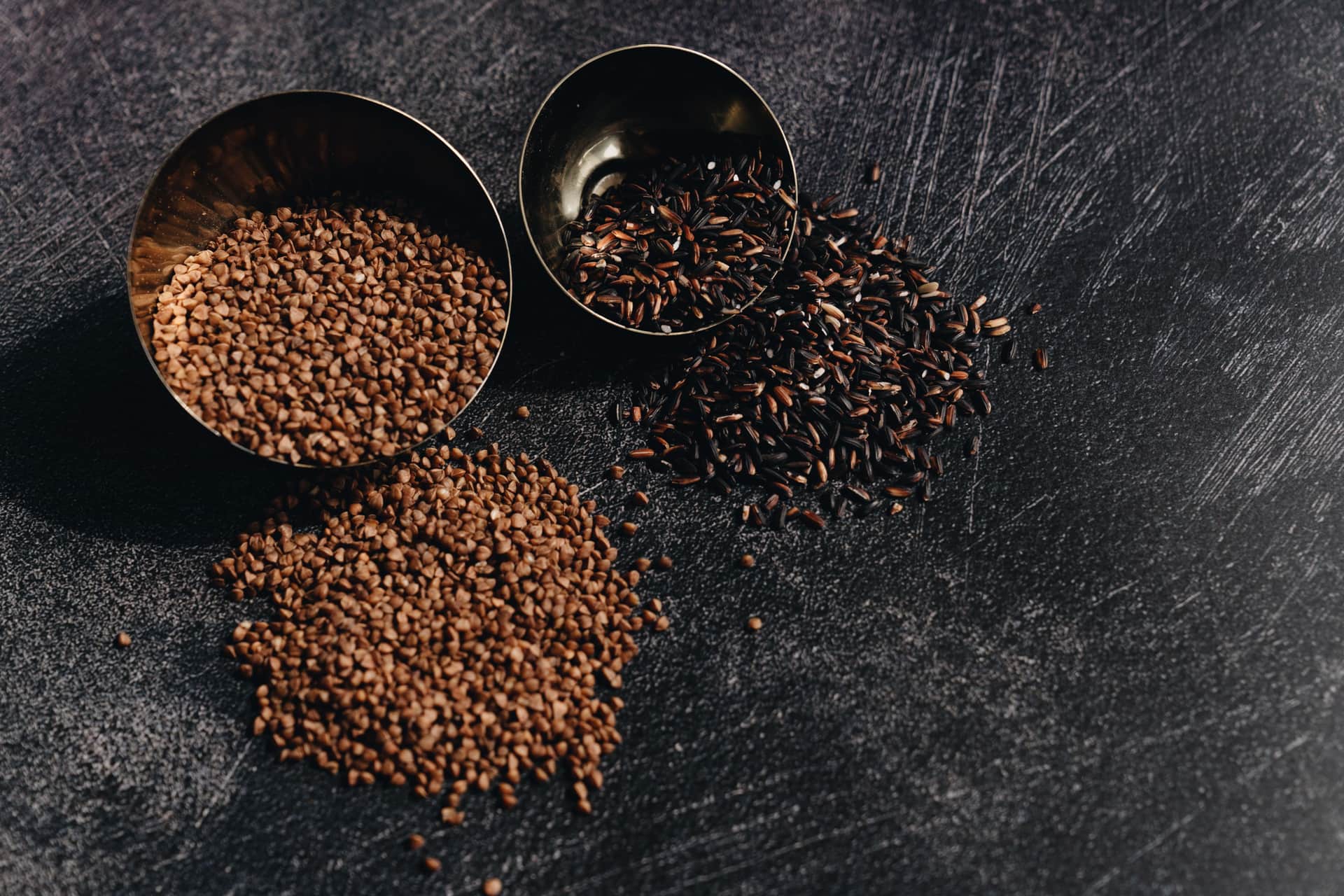
Its job in a plant is structural. It is commonly found in the cell wall of woods, grasses and corn hulls, bonded to the hemicellulose that stiffens those walls. In cereals it is concentrated in the bran — the hard outer layer of the grain — which is why the sourcing story for this ingredient is agricultural waste rather than anything exotic. It was first separated in 1866, from the plant Ferula foetida, which is where the name comes from.
| Source | What is published about it |
|---|---|
| Flaxseed | The highest known concentration of ferulic acid glucoside, at 4.1 ± 0.2 g/kg |
| Sugar beet pulp | 0.8% by weight |
| Popcorn | 0.31% by weight |
| Bamboo shoots | 0.24% by weight |
| Rice bran oil | Named as a natural source |
| Wheat and maize bran | The usual extraction feedstock |
Extraction is blunt: concentrated alkali applied to the plant tissue, typically wheat bran or maize bran. There is nothing precious about the raw material, which is worth knowing when a serum's marketing leans on the word botanical.
It Is Not That Kind of Acid
This is the single most common misunderstanding about the ingredient, and the name causes it. Every other acid with a page on this site works by loosening or dissolving something: salicylic acid inside the pore, glycolic, lactic and mandelic at the surface. Ferulic acid does none of that.
| Exfoliating acids (AHA / BHA) | Ferulic acid | |
|---|---|---|
| What it is | Alpha or beta hydroxy acid | Hydroxycinnamic acid, a plant phenolic |
| What it does to skin | Loosens the bonds between surface cells | Acts as a reducing agent — it donates electrons |
| Why it is in the bottle | To exfoliate | To protect other ingredients and absorb UV |
| Can it cause purging or peeling? | Yes | Not by this mechanism |
| Published cosmetic uses | Exfoliation, texture, acne | Ultraviolet light absorber, photoaging, skin darkening |
The chemistry behind the right-hand column is that ferulic acid is a reducing agent: its resonance-stabilized phenoxy radical accounts for its reduction potential. In plain terms, it is good at giving away an electron to something that is about to do damage with it, and staying stable afterwards. That is what an antioxidant does, and it is a completely different job from exfoliation.
What It Does On Its Own
Three uses are published for it in cosmetics: an ultraviolet light absorber, a treatment for photoaging, and a treatment for skin darkening. Each is worth taking at its stated weight rather than more.
- It absorbs ultraviolet light. Its ultraviolet-visible spectrum peaks at 321 nm, with a shoulder at 278 nm — both in the ultraviolet range. This is a real physical property of the molecule and it is why the word sunscreen appears next to it in ingredient references.
- It is not a sunscreen you can wear instead of sunscreen. Absorbing light in a cuvette and protecting skin at a measured SPF are different claims, and only the first is established here. Nothing on this page is a reason to skip daily sunscreen or a zinc oxide filter.
- It may act on pigment, by an unusual route. It is believed to inhibit melanin formation by competitive inhibition with tyrosine — that is, by resembling the raw material the pigment enzyme expects. Note the hedge: this is stated as a belief rather than a settled finding, and it is not the same mechanism as the tyrosinase inhibitors on the brightening side of this hub.
What you will not find is a body of evidence for ferulic acid used alone at a cosmetic concentration. Almost everything published about it in skin is about what it does to the other ingredients in the bottle, which is the next section and the real reason it is on your shelf.
Why It Is in Almost Every Vitamin C Serum
In 2005, Lin and colleagues at Duke published a paper in the Journal of Investigative Dermatology whose title is the entire marketing case for a product category: ferulic acid stabilizes a solution of vitamins C and E and doubles its photoprotection of skin. They added ferulic acid to a topical solution of 15% L-ascorbic acid and 1% alpha-tocopherol — the vitamin E the trio is named for — and reported that it improved the chemical stability of the vitamins and doubled photoprotection against solar-simulated irradiation, from four-fold to approximately eight-fold, measured by redness and sunburn-cell formation. The same work reported reduced thymine dimer formation.
That sentence is quoted far more often than the paper is read, so two details are worth stating plainly.
- The famous doubling was not measured in human skin. The 2005 paper is indexed under the subject headings Swine and Animals. It is a real, NIH-funded result, but the four-fold-to-eight-fold figure that appears in product copy comes from pig skin.
- The human study is the 2008 one, and it reports no fold-number. Murray and colleagues tested the formulation on human skin and concluded that it provided significant and meaningful photoprotection by all methods of evaluation — but the abstract gives no multiplier, and the authors themselves note that the number of patients evaluated was relatively small.
None of this makes the trio a bad buy. It remains one of the better-supported ingredient combinations in skincare, and the stability half of the finding is the part that matters most day to day — a vitamin C serum that survives longer in the bottle is a serum that is still working in week six. It does mean the honest summary is well-supported, rather than proven to double your protection. Whether the original is worth its price is a separate question, taken up in is SkinCeuticals C E Ferulic worth it.
Reading the Percentage on the Box
Ferulic acid percentages are small, and the chemistry explains why. Free ferulic acid has limited solubility in water — about 0.78 g/L — and a pKa of 4.61. A water-based serum simply cannot hold very much of it, which is one reason the figures you see cluster low rather than competing upward the way vitamin C percentages do.
| What the label says | How to read it |
|---|---|
| 0.5% ferulic acid | The published formulation figure from the 2008 human study. The most meaningful number on a box. |
| Ferulic acid, no number | Common, and not damning — but you cannot tell whether it is at a studied level or a token trace. |
| 3% ferulic acid | Appears in formulations built around ferulic acid rather than around vitamin C. |
| Near the end of the ingredient list | Expected. At these percentages it belongs there, so position alone tells you little. |
A brand that publishes the number has told you something checkable, and that is the criterion the picks below are chosen on. It is not the only thing that matters — a disclosed 0.5% in a formula you will abandon in a week is worth less than an undisclosed one you actually use — but between two otherwise similar serums, the one that commits to a figure is the one making a claim you can hold it to.
The Orange Bottle, and What We Could Not Source
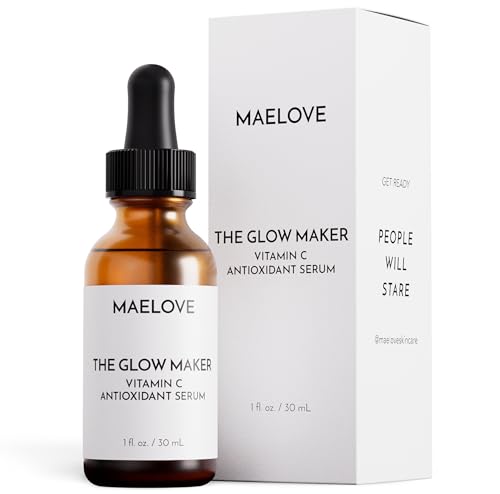
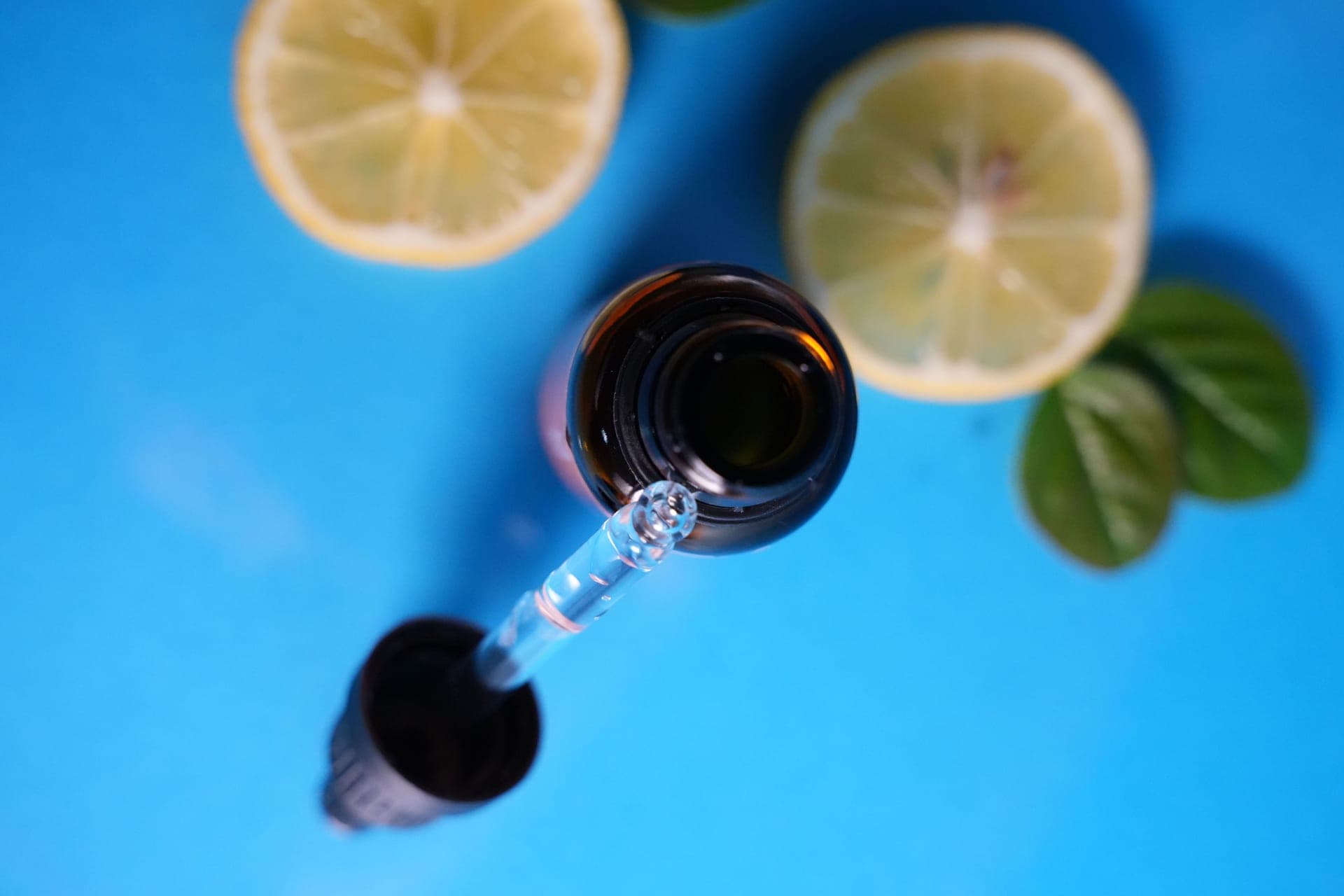
Two things happen to these serums over time, and the internet runs them together. The bottle darkens from clear to yellow to orange, and at some point it develops a distinctly unpleasant smell that people describe as hot dog water.
The color change is the vitamin C, not the ferulic acid — L-ascorbic acid oxidizing is the whole reason the stabilizing trio exists in the first place, and that behavior is covered in the vitamin C monograph. A serum that has gone orange has lost potency, and the usual advice applies: buy a size you will finish, and keep it closed, cool and dark.
What is documented about the molecule's instability is less dramatic and more chemical: the double bond in its side chain undergoes cis-trans isomerization. That is a shape change rather than a decomposition, and no source we reached connects it to anything you can smell.
Who It Suits, and Who Can Skip It
- It suits anyone already buying a vitamin C serum. Between two serums at a similar price and vitamin C strength, the one with vitamin E and ferulic acid is the better-supported formula. This is the easiest version of this decision you will make.
- It suits someone whose vitamin C keeps going off. Stability is the half of the research that holds up best, and it is the half you notice.
- It is optional for anyone using a vitamin C derivative instead of L-ascorbic acid. The stabilization research is specifically about L-ascorbic acid with vitamin E — see L-ascorbic acid vs THD ascorbate. Ferulic acid in a derivative formula is not wrong, but it is not what was studied.
- Skip chasing it on its own. There is little published support for ferulic acid as a standalone cosmetic active at these concentrations, and buying a dedicated ferulic product to layer under an existing serum is solving a problem the formulator already solved.
- Skip it as a sun strategy. It absorbs ultraviolet light; it is not an SPF and nothing here supports using it as one.
- No special pairing rules. Unlike the exfoliating acids, there is no conflict to manage with niacinamide or a retinoid — it travels inside whatever serum it came in. Where that serum goes in a routine is covered in the layering order guide.