What Unites the Family
Floral is the oldest and broadest group on the fragrance wheel, and the one most fragrances touch somewhere in their structure. What defines a floral proper is that the flower is the subject rather than the decoration: rose, jasmine, tuberose, orange blossom, violet, lily of the valley or peony carries the composition, with the rest of the formula arranged around it.
The classification most of the industry uses descends from Michael Edwards's fragrance wheel, which groups floral alongside fresh, woody and amber and splits it into subfamilies — fresh cut flowers at one edge, aldehydes and powdery notes at the other. The wheel itself has an older ancestor: the Austrian perfumer Paul Jellinek published an odor-effects diagram in 1949, and Edwards produced his version in 1992.
The Three-Way Split
| Type | What it is | Examples of the idea |
|---|---|---|
| Soliflore | One flower, rendered as faithfully as possible | A straight rose, a straight tuberose |
| Bouquet | Several flowers blended into one accord | The classic mixed-floral perfume |
| Aldehydic floral | Flowers under a sparkling, soapy, slightly waxy top | The style Chanel No 5 made famous |
| Green floral | Flowers over stems, leaves and galbanum | Cooler, sharper, less sweet |
| White floral | Jasmine, tuberose, orange blossom, gardenia | The loudest subgroup by some distance |
The practical value of this split is that it predicts how a fragrance will behave. Soliflores are legible and easy to wear. Bouquets are the safest for a gift. Aldehydic florals read formal and vintage. White florals project hard and divide opinion — which is why best tuberose perfumes is a separate page on this site.
The Notes That Build It
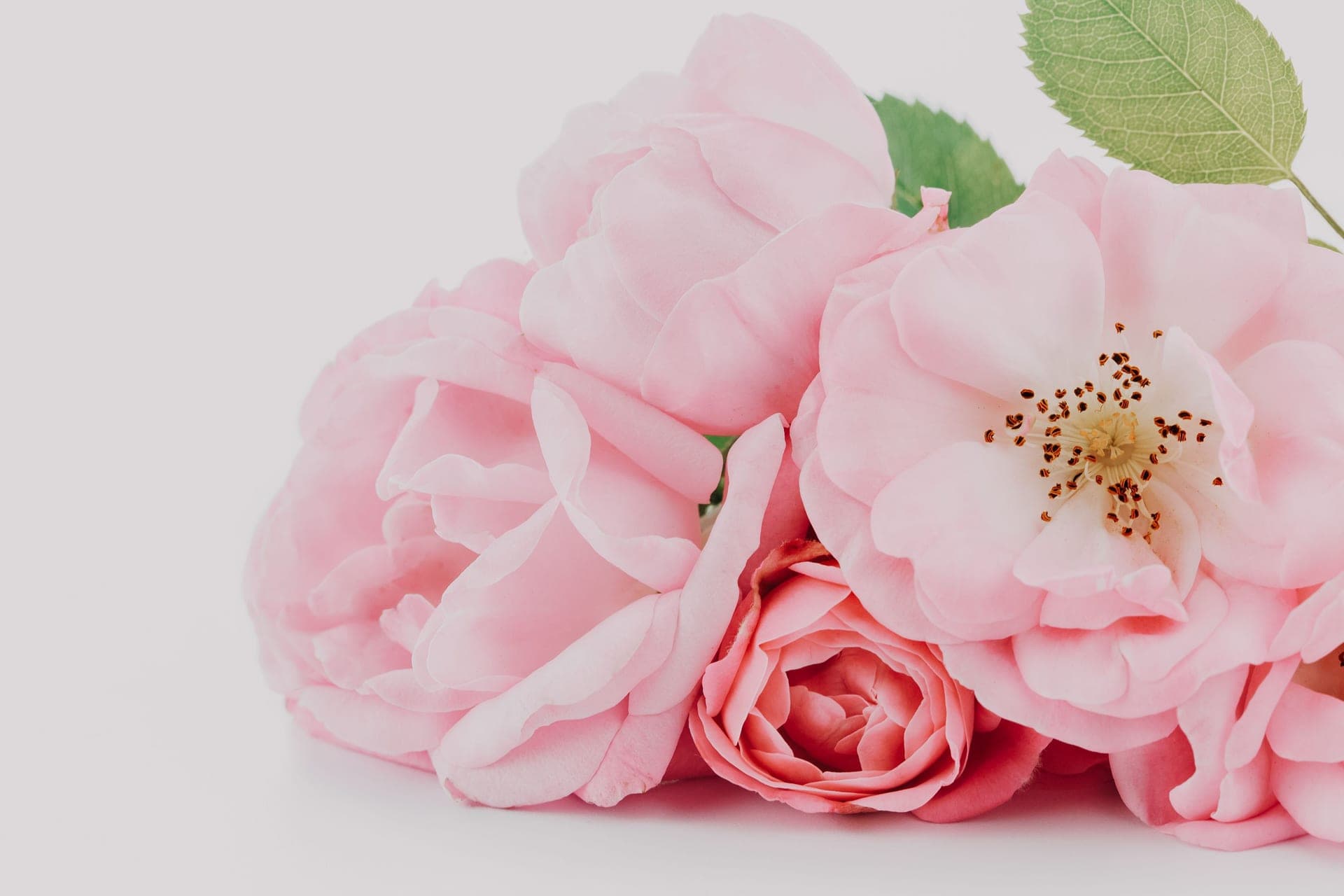
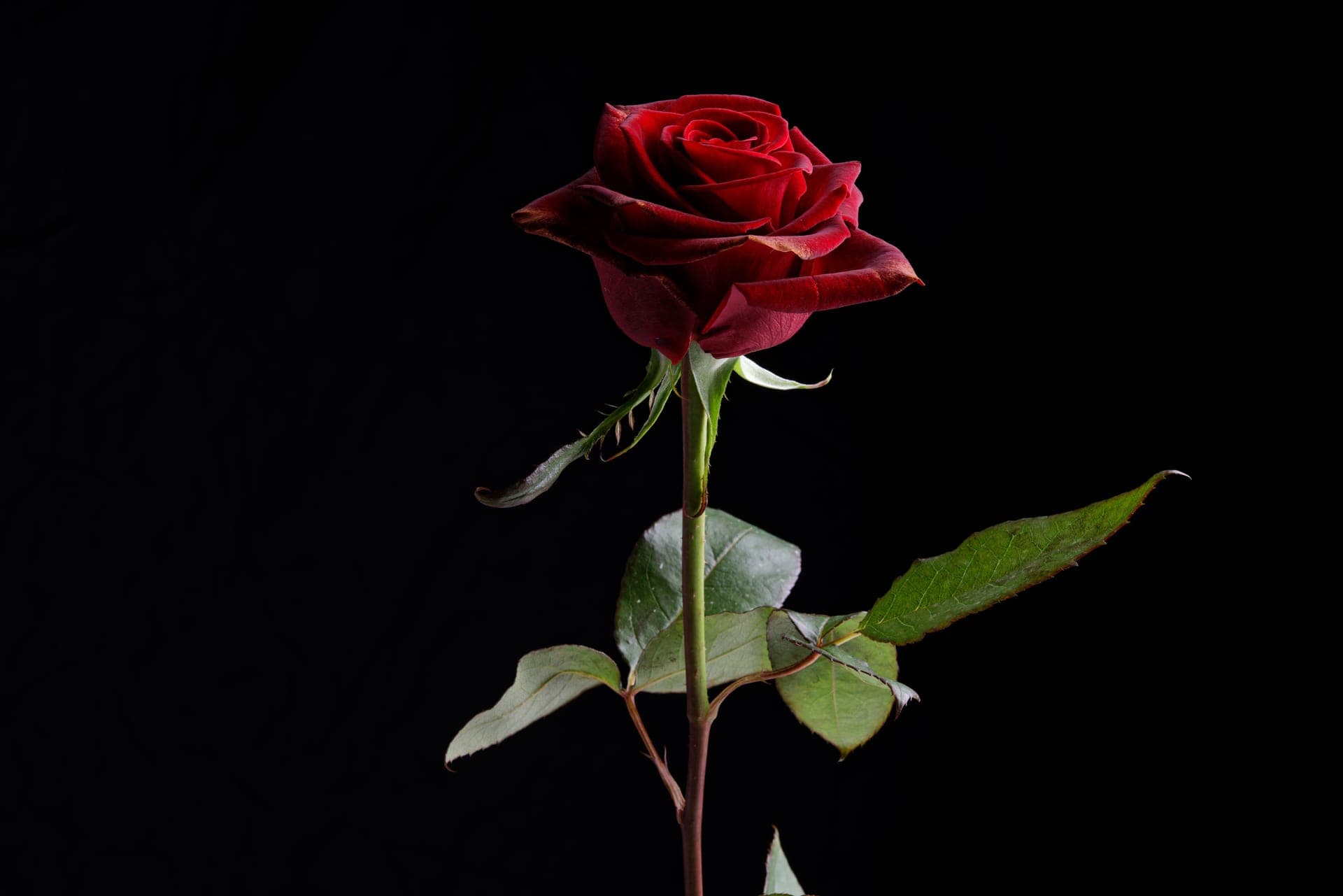
- Rose. The most-used flower in perfumery, and two materials rather than one: rose otto is distilled and lemony, rose absolute is extracted and jammier — see best rose perfumes.
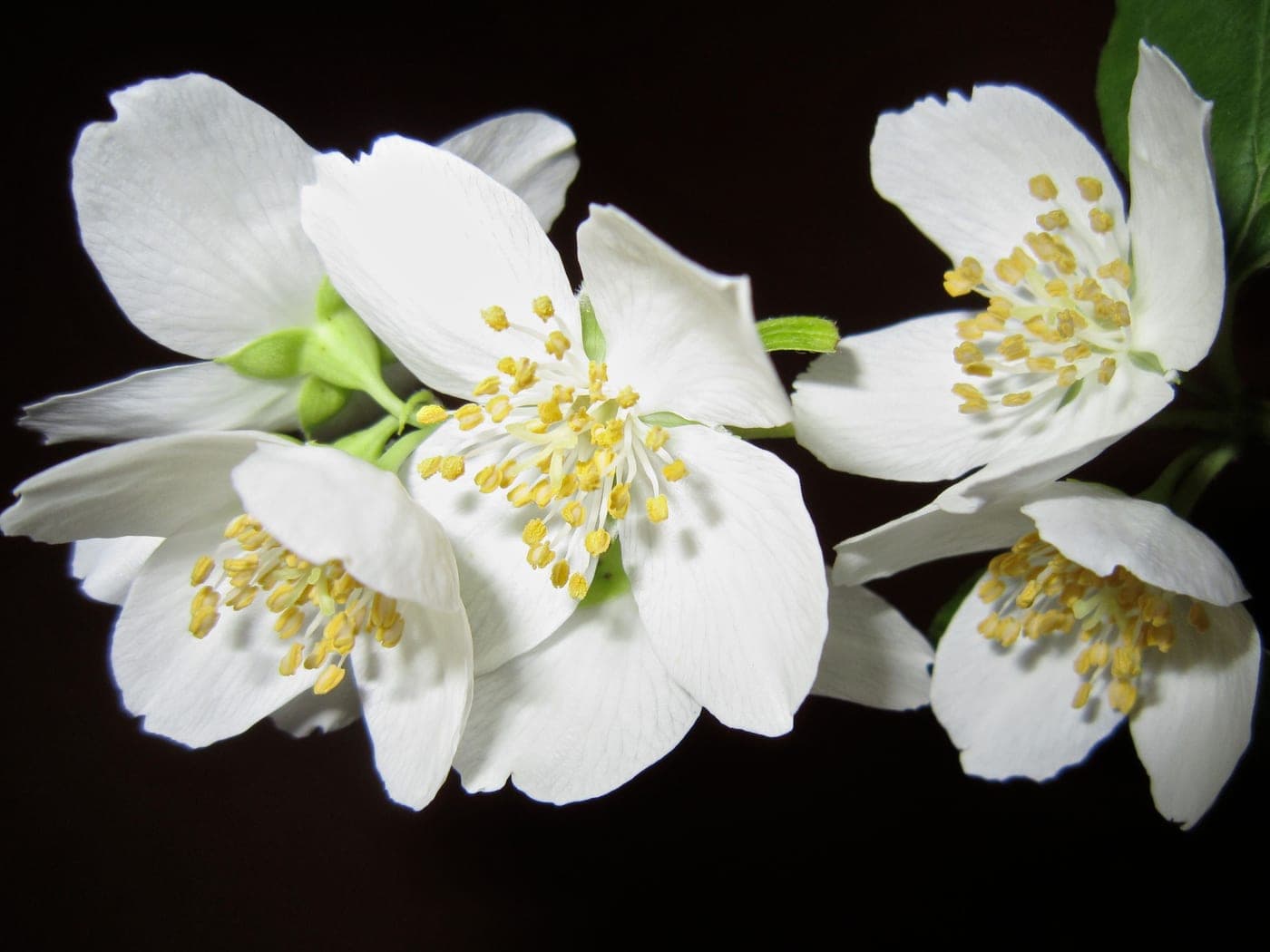
- Jasmine. Indolic, animalic under the sweetness. The backbone of most white florals.
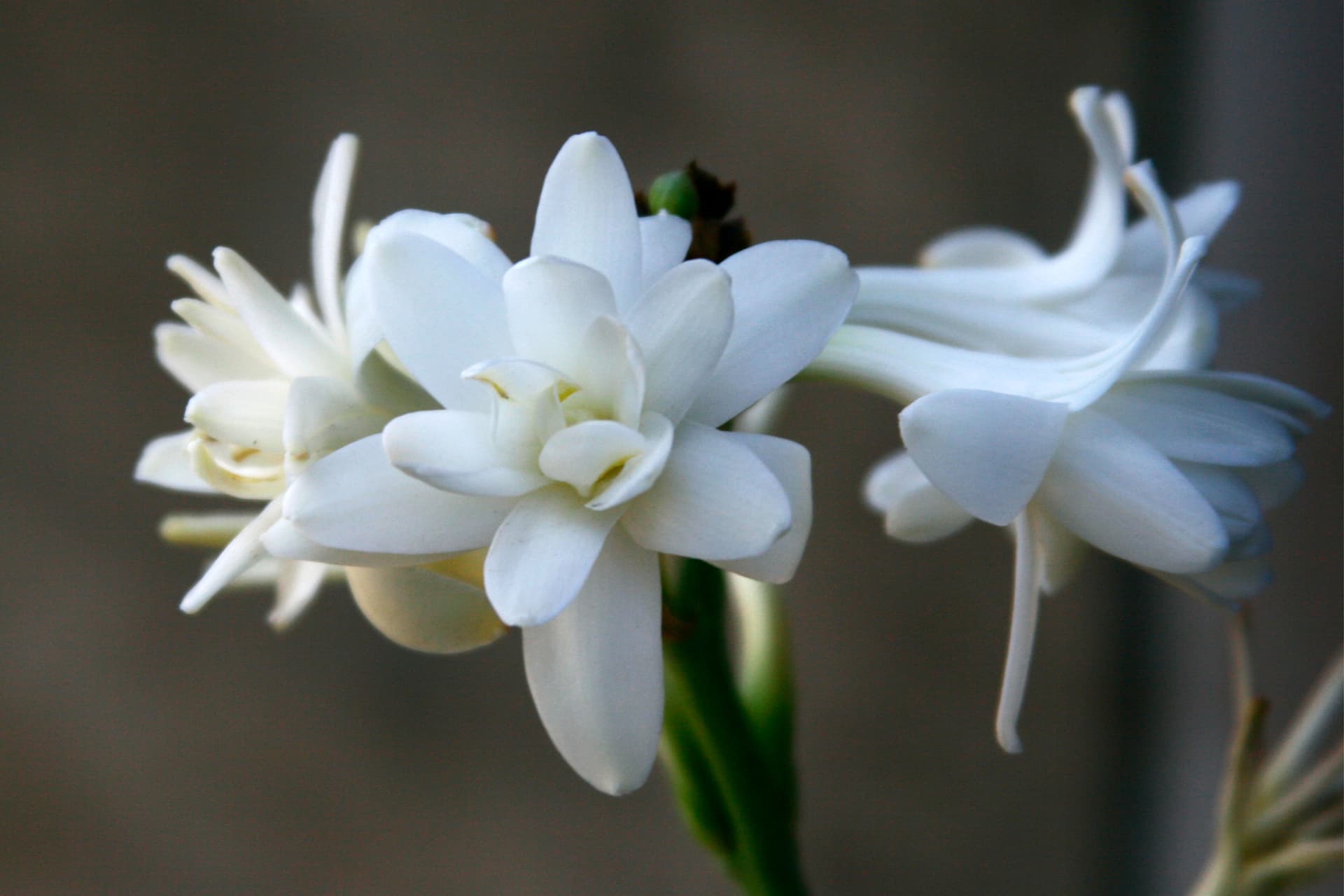
- Tuberose. The loudest flower in the palette, creamy and almost medicinal at full strength.
- Orange blossom and neroli. The same tree, different extractions: neroli is bright and green, orange blossom rounder and sweeter.
- Violet and iris. Powdery rather than sweet, and the bridge to the makeup-like, cosmetic register — see best iris perfumes.
- Aldehydes. Not flowers at all, but the materials that give the classic florals their soapy, effervescent lift.
Almost none of these arrive in a bottle as a simple extract. Most floral notes in modern perfumery are reconstructions — blends of natural and synthetic materials built to smell like the flower, often because the flower itself cannot be distilled usefully. Lily of the valley and lilac have no commercially viable extract at all; every one you have smelled was constructed.
When It Works
Florals suit mild weather best. In cold air the lighter ones flatten; in high heat the white florals become overwhelming, since warm skin releases aroma molecules faster. Spring and early autumn are where the family is most comfortable — see best fragrances for spring.
- For an office: a soft floral or a green floral, applied in two sprays — see office fragrances.
- For an evening: a white floral or an aldehydic floral, which both carry.
- For a first floral: a rose soliflore. It is the easiest to judge, because you already know what it is meant to smell like.
- To avoid the bridal association: look for florals with a dark base — patchouli, vetiver, incense — under the flowers.
Where to Start
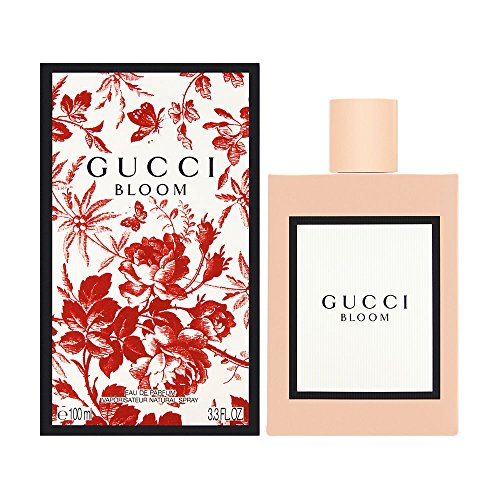
Two bottles that show the extremes of the family: one aldehydic and formal, one modern and white-floral. Between them they cover most of what the word floral is doing. For a wider shortlist, best floral perfumes has five picks across the subfamilies.