What Is in the Bottle
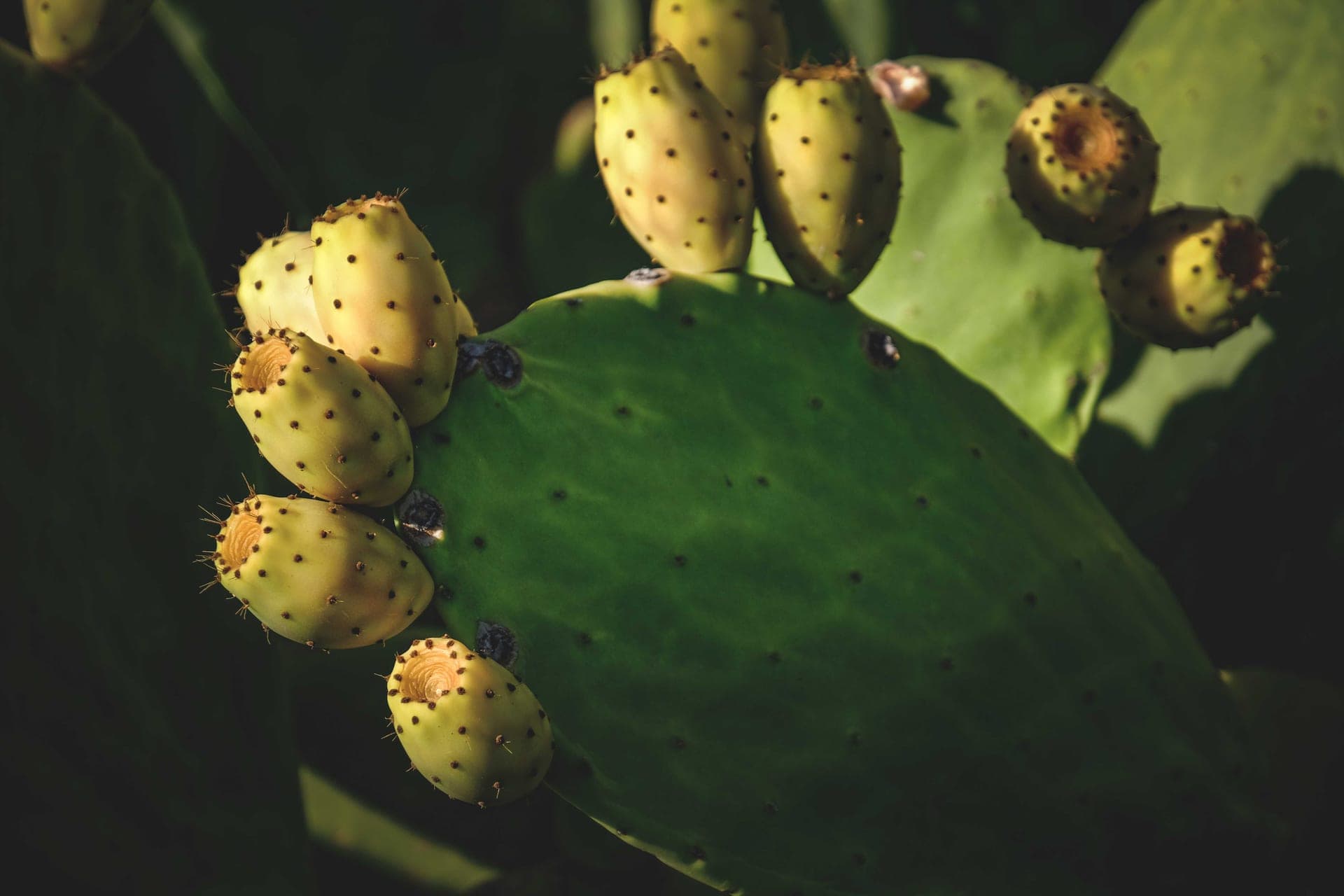
The exfoliating active is lactic acid, an alpha hydroxy acid. In the published ingredient list it appears after water, a series of botanical extracts — prickly pear, arnica, aloe, agave and others — a yeast extract, a ferment filtrate and emollients such as squalane. We could not find a published lactic acid percentage.
| Component | What it does |
|---|---|
| Lactic acid | Exfoliates the surface for smoother, brighter-looking skin; also mildly hydrating |
| Botanical extracts | Marketed as soothing and conditioning; each adds a variable for reactive skin |
| Squalane, caprylic/capric triglyceride | Emollients that make it feel creamy rather than stinging |
Lactic acid is a larger molecule than glycolic acid, so it penetrates more slowly and is generally gentler. That is a real advantage for sensitive and dry skin, and it is why the overnight glow people describe is plausible — it is simply what a well-formulated lactic acid does. The wider acid family is covered in best chemical exfoliants.
Where the Price Goes
- What you pay for: a pleasant, creamy texture that makes an acid feel gentle, a recognizable brand and a botanical-rich formula.
- What undercuts it: lactic acid itself is inexpensive and widely available, often with a stated percentage that lets you dose it deliberately.
- The sensitive-skin catch: a long botanical list is more to react to. Reactive skin is often better off with a shorter formula.