Winter skin is not a different skin type. It is the same skin losing water faster, which changes what you seal it with rather than what you treat it with.
By Sawyer V. · Published September 27, 2026 · Last updated September 27, 2026
The short answer
In winter, swap to a richer occlusive moisturizer, cut exfoliation roughly in half, and keep sunscreen — snow and low sun still expose you. Indoor heating drops humidity below what skin tolerates, so the priority is holding water in rather than adding more actives.
Disclosure: Glow & Gild earns a commission when you buy through links on this page, at no extra cost to you. It does not change which product we recommend, and no brand pays for placement here. Read the full disclosure.
How We Picked
We chose products sold in the US that lead on occlusives and barrier lipids rather than actives, since that is what cold, dry air calls for, and preferred fragrance-free formulas. Details come from the brands' published listings. We have not tested these.
Everyone in this category says they tested twenty of these. We have not tested any, and we say so. What we did instead: compiled the published concentrations and ingredient lists, checked each claim against what the formula can actually support, and wrote down who each product is wrong for. The full method is published so you can check it.
Quick Picks
The short answer, by buyer. Select any row for the full write-up.
#
Product
Best for
Where to buy
1
CeraVe Moisturizing CreamBarrier lipids plus a genuine occlusive in a tub big enough for face and body, which is exactly the winter specification..
Amazon price as of October 16, 2026, 03:15 UTC — details
3
La Roche-Posay Lipikar AP+Max Triple Repair Moisturizing Body CreamA fragrance-free body cream substantial enough for legs and arms that have started to itch, in a pump size you will keep using..
Amazon price as of October 16, 2026, 03:15 UTC — details
#ad — buying through these links earns us a commission at no cost to you. Prices come from Amazon’s own product data and show the date they were checked; without a current one, the button says check price.
What Winter Actually Does
Two things happen at once. Outdoor air holds less water when it is cold, and indoor heating takes what humidity remains and drives it lower still. Skin loses water to dry air continuously — transepidermal water loss — and the rate depends on the gradient. A heated room in January is a steeper gradient than almost anything skin meets in summer.
The barrier gets leakier as lipids deplete, which is why the same routine stops working in November.
Humectants alone can backfire. In very dry air a humectant layer with nothing over it loses water outward.
Hot showers make it worse, stripping surface lipids at exactly the wrong time of year.
Existing conditions flare. Eczema, rosacea and keratosis pilaris are all worse in cold, dry months.
Sun does not stop. Snow reflects UV, and low winter sun hits the face more directly.
What to Change, and What to Leave Alone
Step
Summer
Winter
Cleanser
Gel or foaming
Cream or non-foaming
Moisturizer
Lotion or gel
Cream or balm with an occlusive
Exfoliation
Two or three times weekly
Once weekly, or pause
Retinoid
As usual
Same nights, buffered with moisturizer
Sunscreen
Every morning
Every morning, unchanged
Face oil
Optional
Useful, as a final layer
Body
Lotion
Cream, applied to damp skin
Change the moisturizer first, before adding anything new. It is the highest-yield swap.
Halve the exfoliation and see whether the flaking was dryness rather than dead skin.
Keep the retinoid but buffer it: moisturizer, then retinoid, then moisturizer again.
Apply body cream within a few minutes of a shower, onto damp skin.
Turn the shower temperature down. Warm, not hot, and shorter.
Add an occlusive only where you need it — cheeks, around the nose, anywhere that cracks.
What Not to Do
Do not stop sunscreen. This is the most common winter mistake and the most expensive one long-term.
Do not exfoliate flaking skin harder. In winter, flaking is usually dehydration and abrasion makes it worse.
Do not add three new products at once, or you will not know which one helped.
Do not abandon your actives entirely unless skin is genuinely compromised — buffer them instead.
Do not rely on a facial mist. Water on the face in dry air evaporates and takes more with it unless sealed.
If skin has already gone past dry into stinging, tight and reactive, treat it as a damaged barrier rather than a seasonal inconvenience: strip back to cleanser, moisturizer and sunscreen for two weeks. Our dehydrated skin and dry skin guides cover the difference, which matters for what you buy.
Hands, Lips and Everything Else That Cracks
The face gets the attention and the extremities do the suffering. Hands are washed repeatedly and have thin barriers; lips have almost none at all.
Hand cream after every wash, which means keeping one where you wash your hands.
An ointment rather than a balm at night for hands that have already cracked.
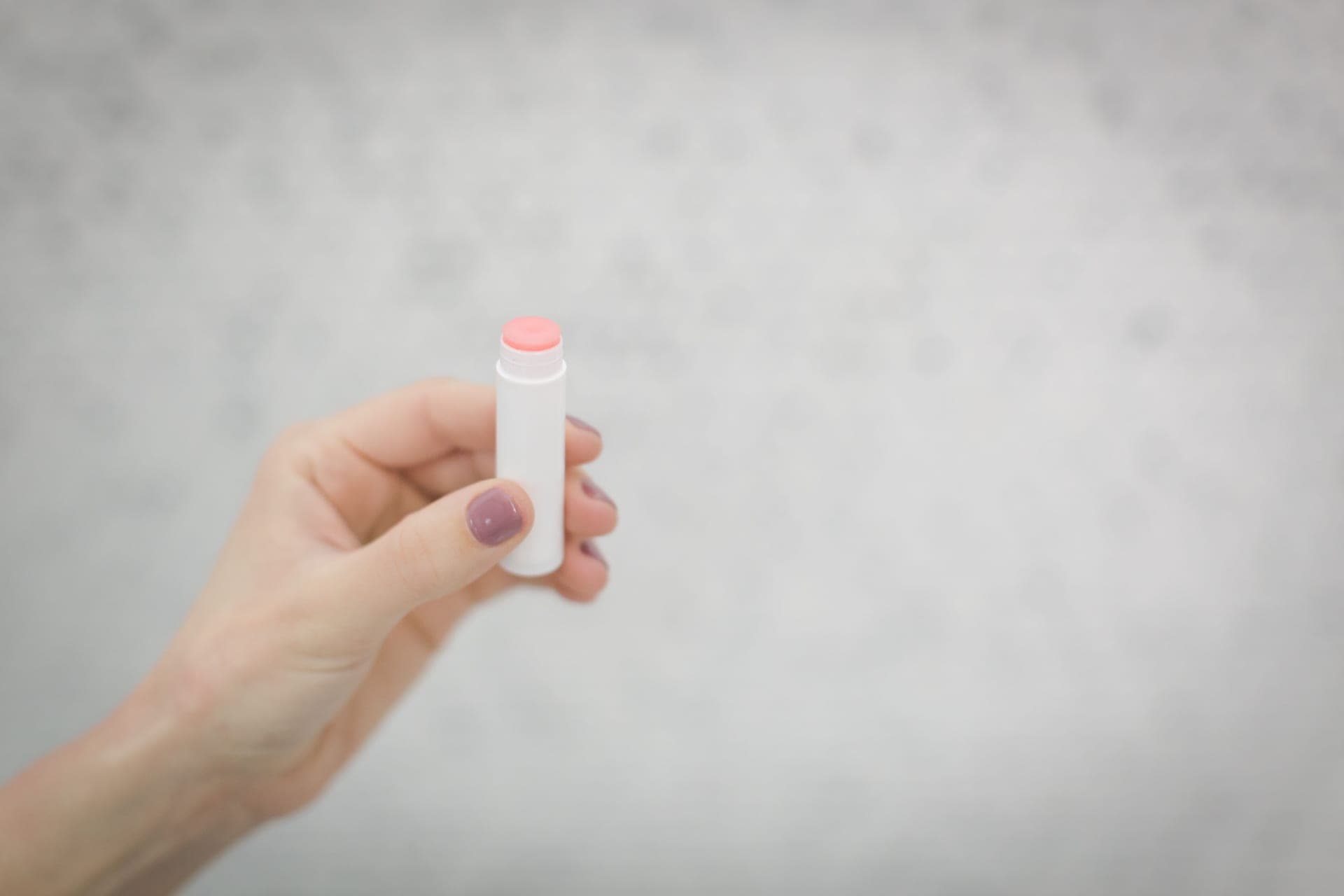
Lip balm without flavor. Menthol, camphor and flavor oils make people lick their lips more.
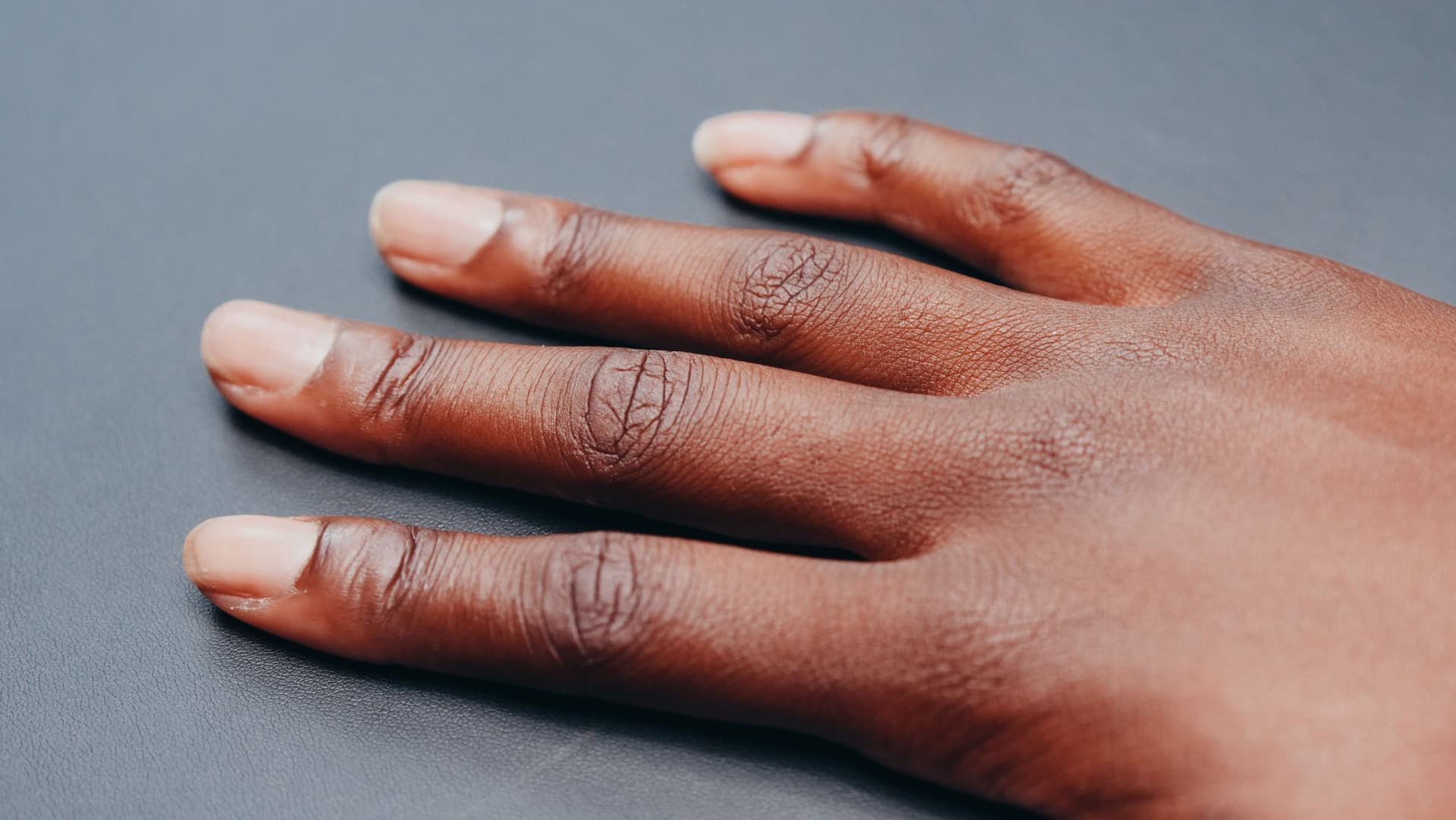
Cuticles and knuckles need the same occlusive as everywhere else, more often.
Heels in winter socks benefit from a urea or lactic acid cream, not a scrub.
Our best hand cream and best lip balm roundups go into the specifics of each, including which formats survive being carried around all day.
1 — The winter face and body cream
CeraVe Moisturizing Cream
What’s in it
Three ceramides with cholesterol and hyaluronic acid
Petrolatum and glycerin in the base
No fragrance listed
Barrier lipids plus a genuine occlusive in a tub big enough for face and body, which is exactly the winter specification.
Who it’s not for
Oily or congestion-prone skin using it across the whole face, and anyone who dislikes a heavy finish under makeup.
Winter feels like a season without sun, and it is not. UVA passes through cloud largely unchanged and is the wavelength behind most photoaging; snow reflects a substantial share of UV back up at your face; and low winter sun hits you more directly than high summer sun does. Skipping sunscreen for four months a year, every year, is the single largest self-inflicted contribution most people make to how their skin looks in twenty years. Keep it, and change the moisturizer instead.
Frequently Asked Questions
No. Change the moisturizer to something richer, halve the exfoliation, and keep everything else including sunscreen.
Yes. UVA passes through cloud and snow reflects UV upward. Photoaging does not pause for the season.
Usually too much exfoliation plus a moisturizer with no occlusive. Cut the exfoliation and seal the moisture in.
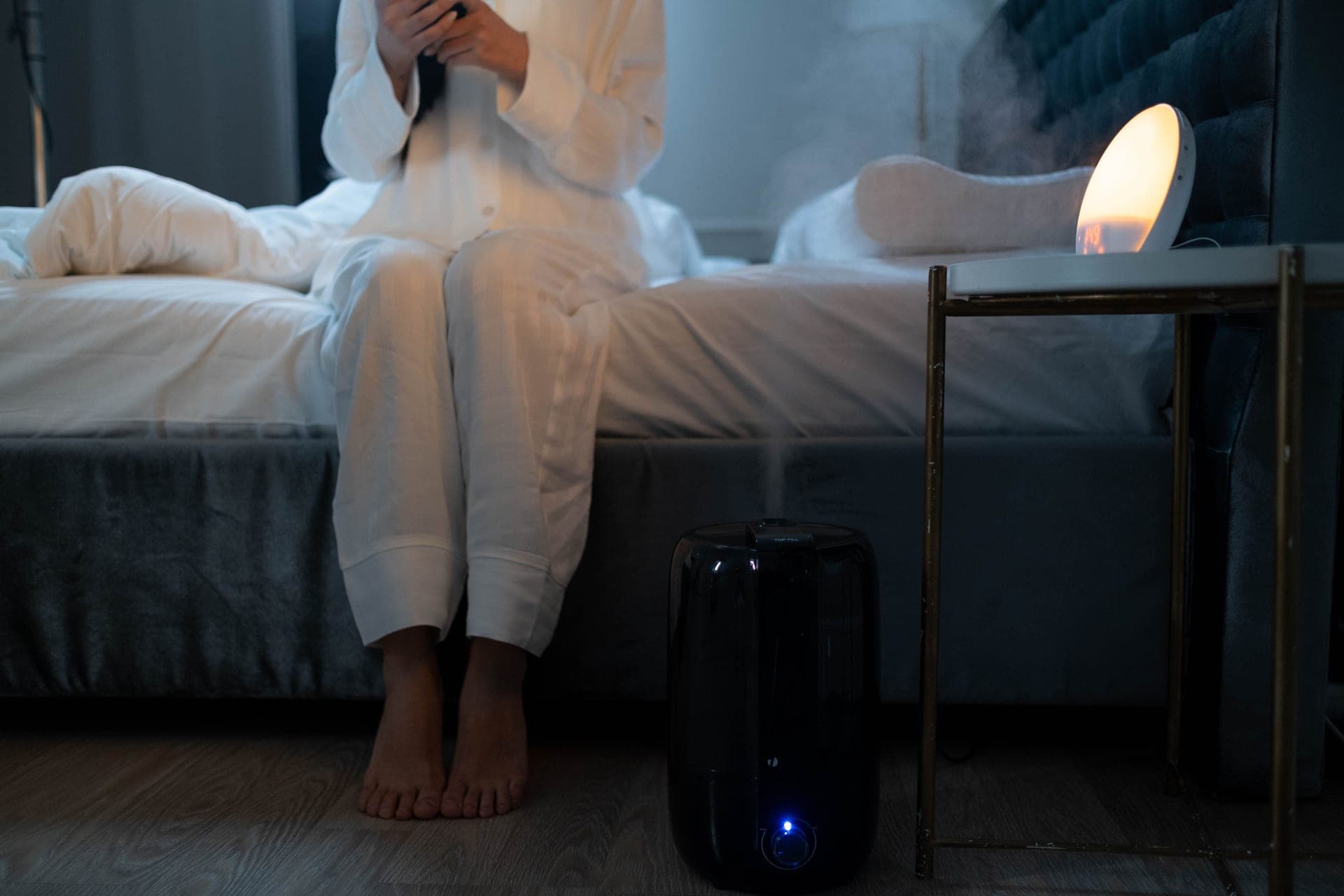
Yes, meaningfully. Indoor heating is the main cause of winter dryness, and raising room humidity addresses the cause.
Yes, buffered — moisturizer, then retinoid, then moisturizer. Stopping entirely loses months of progress.
By Sawyer V.. An enthusiast who’s genuinely into this: I read the manufacturer documentation, compile the published percentages, and do the arithmetic. No lab coat.
What I don’t do: test products, accept free product, or accept payment for placement. I hold no clinical credential and don’t claim one. How we pick.
Published September 27, 2026 · Last updated September 27, 2026