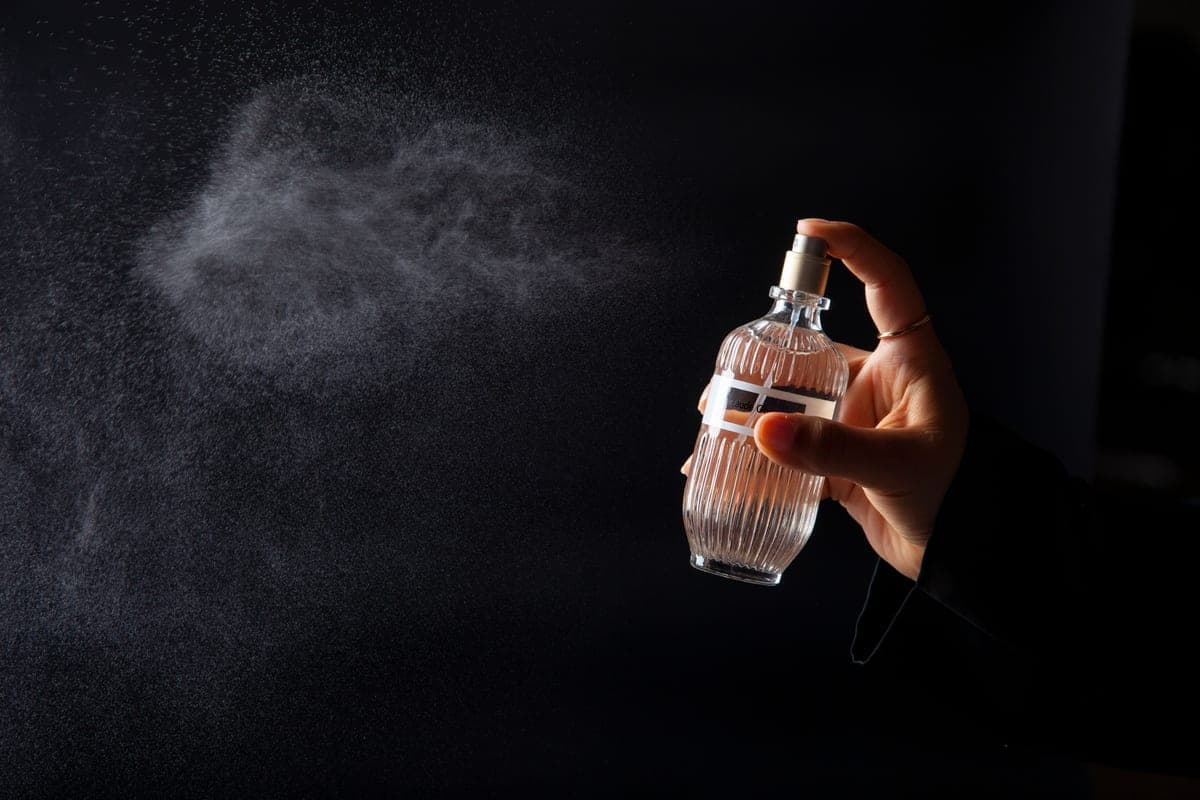
Layering is not mixing two perfumes you like. It is adding one simple accord to one complete fragrance, in that order.
By Sawyer V. · Published October 7, 2026 · Last updated October 7, 2026
The short answer
The verdict: spray the lighter, simpler scent first and the richer one over it, keep it to two fragrances, and make at least one of them a single-accord scent rather than a full composition. Jo Malone London — the house that built its line around Scent Layering — recommends starting with a base you love, adding a complementary cologne, and adjusting the number of sprays of each. Skin-scent musks like Glossier You and single-material scents like Juliette Has A Gun Not A Perfume are the easiest bases to build on.
Disclosure: Glow & Gild earns a commission when you buy through links on this page, at no extra cost to you. It does not change which product we recommend, and no brand pays for placement here. Read the full disclosure.
How We Picked
We took the method from the house that designs for it explicitly, then selected bottles that are either single-accord scents or designed as combiners — because a complete fragrance layered over another complete fragrance is where this goes wrong. Note listings and brand positioning come from each house. Scent is subjective and skin chemistry varies, and we have not smelled these on you.
Everyone in this category says they tested twenty of these. We have not tested any, and we say so. What we did instead: compiled the published concentrations and ingredient lists, checked each claim against what the formula can actually support, and wrote down who each product is wrong for. The full method is published so you can check it.
Four Rules That Make It Work
Lighter first, richer second. Jo Malone London's own guidance is to start with lighter scents as the base and build up with richer, deeper notes. A heavy base swamps anything sprayed over it.
Two, not three. Every additional fragrance multiplies the number of materials competing for the same air. Two is a combination; three is noise.
At least one should be simple. A musk, a vanilla, a single-note citrus or a designed combiner. Two full compositions do not blend, they overlap.
Share a note, or share a family. The reliable combinations have something in common — a woody base under both, or a citrus top in each. Opposites do not attract here.
If you want the vocabulary behind that — why a base note survives a top note, why some things project and others sit on skin — fragrance notes explained and sillage vs projection are the two pages to read first.
Combinations That Work
Base layer (first)
Top layer (second)
Why it works
Skin musk
Any gourmand or floral
The musk warms and extends; it adds no competing accord
Citrus or green aquatic
Woody or vetiver
Citrus tops fade fast; the wood gives them somewhere to land
Vanilla
Oud, tobacco or leather
Vanilla rounds the smoky edge without hiding it
Clean cotton or laundry musk
Rose or iris
Soft florals read more expensive over a clean base
Salt or mineral accord
Fig, sage or herbal
The shared freshness keeps both legible
The combinations to avoid are the mirror image: two gourmands (cloying within an hour), two strong orientals (indistinguishable), or anything plus a heavy oud, which wins every argument it enters. If oud is involved, let it be the whole fragrance — see best oud fragrances.
Where and How Much
Pulse points, then clothing edges. Jo Malone London recommends wrists, neck and pulse points for the first scent, followed by a spritz of the second.
Adjust by spray count, not by bottle. Two sprays of the base to one of the top is the usual starting ratio. Tilt it toward whichever you want to lead.
Do not rub. Rubbing the wrists crushes the top notes, which is the part of the combination you are trying to hear.
Separate zones is the easy mode. Base on the neck, second scent on the wrists — the two meet in the air rather than on the skin, which is far more forgiving.
Body products count as a layer. A scented mist or body cream in the same family is a layer, and the mildest way to start.
Layering by Season
Jo Malone London's guidance is that lighter, fresher combinations suit spring and summer, and warmer, spicier blends suit autumn and winter. That is also the practical reason to layer at all: it lets one bottle cover two seasons. A citrus you wear alone in July becomes a winter scent with a vanilla or a wood underneath it.
The seasonal roundups on this site are built around the same logic — spring, summer, fall and winter — and any of them can be shifted a season by what you put under it.
Premium Beauty listing
1 — The easiest base layer
Glossier You Eau de Parfum
What’s in it
Eau de parfum, 50 ml; XL 100 ml and 8 ml travel sizes sold
Marketed as a skin-scent enhancer rather than a standalone composition
Musk-forward, built to sit close to skin
Designed to be worn under things. A skin musk adds warmth and longevity without introducing an accord that argues with whatever you spray over it.
Who it’s not for
Anyone who wants a fragrance that announces itself on its own — this one is deliberately quiet.
Built around one material, Cetalox, an ambery woody musk
1.7 fl oz; 3.3 fl oz and 0.25 fl oz sizes also sold
No top, heart and base structure in the conventional sense
The purest layering base available: one material, one smell, nothing to clash. It is the reason this bottle has a reputation it did not set out to earn.
Who it’s not for
Anyone who finds ambroxan-type musks soapy or metallic — a minority do, strongly.
3 — A combiner from the house that designed for it
Jo Malone London Wood Sage & Sea Salt Cologne
What’s in it
Cologne concentration, 1 oz; 30 ml and 100 ml sizes also sold
Mineral salt and sage accord over woods
Part of the house's Scent Pairing range
Jo Malone London builds every cologne to combine with another, and this is its most-paired one — the salt-and-sage accord freshens a heavier scent without flattening it.
Who it’s not for
Anyone wanting projection — a cologne concentration layered or not sits close and fades in a few hours.
Sol de Janeiro Cheirosa 62 Hair & Body Fragrance Mist
What’s in it
Hair and body mist, 90 ml; 240 ml and a refill also sold
Pistachio and salted-caramel gourmand accord
An eau de parfum version is also sold
The gentlest way to learn layering. A mist is low-concentration by design, so adding one under a perfume changes the warmth without risking the whole combination.
Who it’s not for
Anyone who dislikes gourmands — this is unapologetically sweet, and it carries.
It is the obvious thing to try and it almost never works. A finished designer fragrance already has eight to twenty materials balanced against each other across a top, heart and base; spraying a second one over it does not blend the two, it puts forty materials in competition and the loudest ones win. What you smell after an hour is usually the two harshest notes from each bottle and none of the structure you bought either for. Layer one complete fragrance with one simple accord — a musk, a vanilla, a mist, a designed combiner — and keep the ratio tilted toward the composition.
Frequently Asked Questions
The lighter, simpler one. Jo Malone London recommends starting with lighter scents as the base and building up with richer, deeper notes.
Two. Each additional fragrance adds a full set of materials competing in the same space, and three rarely stays legible.
Single-accord scents — musks, vanillas, single-note citruses — and ranges built as combiners, such as Jo Malone London's colognes.
Yes, and it is the most forgiving method. Put the base on the neck and the second scent on the wrists so they meet in the air rather than on skin.
It can, if the base layer is a musk or an ambery material. Those molecules are heavy and slow to evaporate, so they hold lighter notes above them.
Yes, and it is the easiest starting point. A scented mist in the same family adds warmth with far less risk than a second perfume.
Sources
Jo Malone London — Scent Layering — The house's own method: base first, lighter before richer, application points, spray ratio and seasonal guidance
By Sawyer V.. An enthusiast who’s genuinely into this: I read the manufacturer documentation, compile the published percentages, and do the arithmetic. No lab coat.
What I don’t do: test products, accept free product, or accept payment for placement. I hold no clinical credential and don’t claim one. How we pick.
Published October 7, 2026 · Last updated October 7, 2026