Slugging is one ingredient doing one job: petrolatum, sealing water in. Everything else about it is technique.
By Sawyer V. · Published October 17, 2026 · Last updated October 17, 2026
The short answer
The verdict: plain petrolatum is the product, and the cheapest version is the right one. Vaseline Original Healing Jelly at around $8.49 does the job completely. Aquaphor at around $12.97 is the better texture if you dislike pure jelly. Slug over a humectant, never over a retinoid or acid, and not at all if you are acne-prone on the face. Prices as of October 17, 2026.
Disclosure: Glow & Gild earns a commission when you buy through links on this page, at no extra cost to you. It does not change which product we recommend, and no brand pays for placement here. Read the full disclosure.
Amazon price as of October 17, 2026, 21:25 UTC — details
How We Picked
Slugging has exactly one mechanism - an occlusive film that cuts transepidermal water loss - and petrolatum is the most effective occlusive in common use. So the picks are judged on what else is in the tub, not on how luxurious it is. We included one humectant serum because slugging over dry skin seals in nothing, and one stick format because most people should be slugging patches rather than a whole face. Prices were checked on October 17, 2026. We have not tested these, and skin is individual.
Everyone in this category says they tested twenty of these. We have not tested any, and we say so. What we did instead: compiled the published concentrations and ingredient lists, checked each claim against what the formula can actually support, and wrote down who each product is wrong for. The full method is published so you can check it.
Quick Picks
The short answer, by buyer. Select any row for the full write-up.
#
Product
Best for
Where to buy
1
Vaseline Original Healing Jelly, 6.8 oz tubeThis is the product slugging was invented around, and nothing more expensive does the job better.
Amazon price as of October 17, 2026, 21:25 UTC — details
2
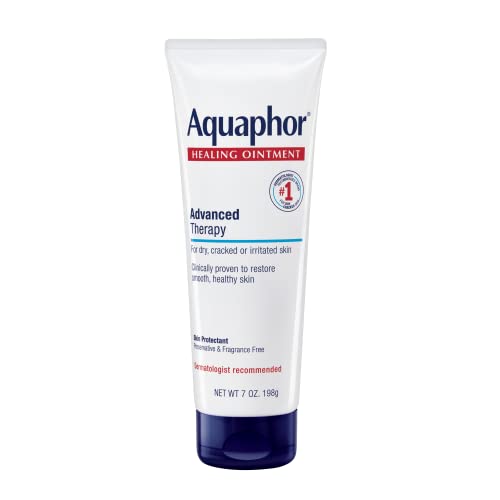
Aquaphor Advanced Therapy Healing Ointment, 7 ozThe humectants alongside the petrolatum mean it does a little of the hydrating job as well as the sealing one, and the texture is noticeably easier to apply thinly.
Amazon price as of October 17, 2026, 21:25 UTC — details
3
CeraVe Healing Ointment, 12 ozThe ceramides make it the one occlusive here that also contributes the lipids a damaged barrier is short of, and it avoids lanolin, which is the most common reason people react to ointments..
Amazon price as of October 17, 2026, 21:25 UTC — details
5
Aquaphor Healing Balm Stick, 0.65 ozMost people should be slugging specific areas - around the nose, cheekbones, the backs of hands, windburned patches - and a stick makes that precise instead of smearing an ointment across a whole face..
Amazon price as of October 17, 2026, 21:25 UTC — details
#ad — buying through these links earns us a commission at no cost to you. Prices come from Amazon’s own product data and show the date they were checked; without a current one, the button says check price.
What to Slug With, and What It Costs
Product
Roughly
What it is
Use it on
Vaseline Original Healing Jelly
$8.49
100% white petrolatum
Anywhere; the reference occlusive
Aquaphor Healing Ointment
$12.97
41% petrolatum plus humectants
Faces that find pure jelly too heavy
CeraVe Healing Ointment
$19.99
Petrolatum with ceramides and hyaluronic acid
Compromised barriers
La Roche-Posay Cicaplast Balm B5
$13.69
Balm with panthenol and shea
Irritated patches, post-procedure
Aquaphor Healing Balm Stick
$9.79
Petrolatum in a stick
Targeted patches, not whole faces
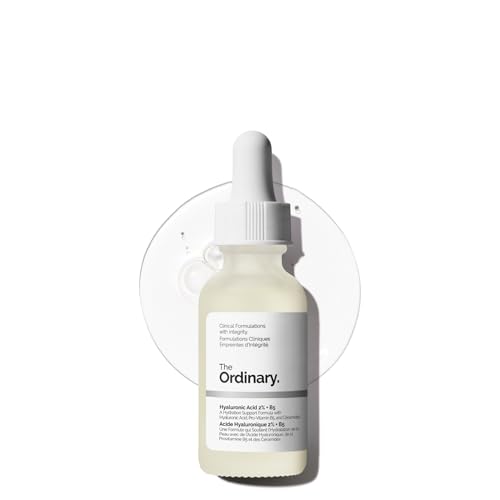
The Ordinary Hyaluronic Acid 2% + B5
$9.90
The humectant layer underneath
Always, before the occlusive
The last row is the one people skip. An occlusive seals in whatever is already there. Seal in dry skin and you have sealed in dry skin.
What Slugging Actually Does
Petrolatum forms a semi-occlusive film on the skin surface that reduces transepidermal water loss - the water that evaporates out of the skin continuously. It does not hydrate anything; there is no water in it. What it does is stop water you have already put there from leaving overnight, which is why the order matters and why slugging over a bare face achieves much less than people expect.
Cleanse, and leave skin slightly damp rather than fully dry.
Apply a humectant - a hyaluronic acid serum, or any hydrating toner.
Apply your usual moisturizer. This is the layer the occlusive is protecting.
Apply a thin film of the occlusive last. Thin is the operative word; a thick layer does nothing extra and transfers onto the pillow.
Who Should Not Slug
Acne-prone faces. Petrolatum itself is not considered comedogenic, but occluding an oily, congested face overnight traps sebum and sweat against the skin. If you break out, slug hands, lips and dry patches, not your whole face.
Anyone using a retinoid or acid that night. See above. This is the most common way slugging goes wrong.
Oily skin in summer. The use case for slugging is cold, dry air. In July it is mostly discomfort.
Anyone expecting it to treat something. It is a moisture-retention technique, not a treatment for texture, pigment or lines.
Where it genuinely earns its place is winter: heated indoor air, cold outdoor air and the drop in ambient humidity that makes skin lose water faster. Our winter skincare roundup covers the rest of that seasonal routine, and dehydrated skin explains the water-versus-lipid distinction that slugging only addresses one half of.
1 — The reference occlusive
Vaseline Original Healing Jelly, 6.8 oz tube
What’s in it
100% white petrolatum
Tube rather than tub, so nothing goes in with fingers
Around $8.49
This is the product slugging was invented around, and nothing more expensive does the job better. The tube format is the one worth paying the small premium for - a tub that is finger-dipped nightly is a hygiene problem.
Who it’s not for
Anyone who dislikes the texture. Pure jelly is heavy and sits on the skin rather than sinking in, which is exactly what it is supposed to do.
41% petrolatum, with glycerin, panthenol and lanolin alcohol
Lighter and more spreadable than pure jelly
Around $12.97
The humectants alongside the petrolatum mean it does a little of the hydrating job as well as the sealing one, and the texture is noticeably easier to apply thinly. For most faces, this is the practical pick.
Who it’s not for
Anyone with a lanolin allergy - it contains lanolin alcohol, which is a recognized contact allergen and the main reason to choose plain petrolatum instead.
Petrolatum base with three ceramides and hyaluronic acid
Fragrance-free and lanolin-free
Around $19.99
The ceramides make it the one occlusive here that also contributes the lipids a damaged barrier is short of, and it avoids lanolin, which is the most common reason people react to ointments.
Who it’s not for
Anyone who just wants the cheapest seal. The ceramides cost money, and on intact skin they do not add much over plain petrolatum. See ceramides for what they actually do.
Panthenol and shea butter in a petrolatum-containing base
Fragrance-free, widely used after procedures
Around $13.69
The soothing option. Panthenol is the reason to choose this over a plain ointment on skin that is actively irritated rather than merely dry, and it absorbs far better than jelly.
Who it’s not for
Whole-face overnight slugging, where it is more expensive than it needs to be. Use it on the patches that need it.
Petrolatum balm in a twist-up stick with avocado oil and shea
No fingers, no jar, travels without leaking
Around $9.79
Most people should be slugging specific areas - around the nose, cheekbones, the backs of hands, windburned patches - and a stick makes that precise instead of smearing an ointment across a whole face.
Who it’s not for
Anyone slugging their entire face nightly. At 0.65 oz you will run through it quickly and pay far more per ounce than the tube.
Multi-weight hyaluronic acid with panthenol and ceramides
Water-based; applies to damp skin
Around $9.90
Slugging over nothing seals in nothing. This is the cheapest reliable way to put water on the skin before the occlusive goes on, which is the step that makes the whole technique work.
Who it’s not for
Anyone who already uses a hydrating toner or essence - you do not need both. See toner vs essence for which you have.
It is the single most common way this goes wrong, and it is usually done deliberately by people who think the occlusive will make the retinoid work harder. It does, which is the problem. An occlusive film increases how much of whatever sits under it gets into the skin, so a 0.5% retinol you tolerate on its own becomes an effective strength you have not built up to, and the result is a week of flaking and stinging that looks like a reaction to the retinoid rather than to the technique. The same applies to glycolic acid, salicylic acid and benzoyl peroxide. Run slugging nights and active nights on alternate days. If your skin is dry because of a retinoid, the answer is a richer moisturizer in the routine, not a seal on top of the active itself.
Frequently Asked Questions
Plain petrolatum. Vaseline Original Healing Jelly at around $8.49 does the job completely, and nothing more expensive does it better.
Petrolatum is not considered comedogenic, but occluding an oily, congested face overnight can trap sebum against the skin. If you are acne-prone, slug patches rather than your whole face.
No. An occlusive increases penetration of whatever is underneath, which turns a tolerable retinoid strength into an irritating one. Keep them on separate nights.
A humectant and then your usual moisturizer. An occlusive seals in what is already there, so slugging a bare face achieves very little.
As often as the weather calls for. It is a winter technique for cold, dry air, and most people have no use for it in summer.
Sources
INCIDecoder - petrolatum — Occlusive mechanism and comedogenicity of the active ingredient in every pick here
By Sawyer V.. An enthusiast who’s genuinely into this: I read the manufacturer documentation, compile the published percentages, and do the arithmetic. No lab coat.
What I don’t do: test products, accept free product, or accept payment for placement. I hold no clinical credential and don’t claim one. How we pick.
Published October 17, 2026 · Last updated October 17, 2026