Oily skin is not dirty skin, and stripping it makes it worse. The routine that works is short, gentle and includes a moisturizer.
By Sawyer V. · Published October 7, 2026 · Last updated October 7, 2026
The short answer
The verdict: a gentle foaming cleanser twice a day, one oil-control active, an oil-free moisturizer, and a zinc oxide sunscreen. CeraVe Foaming Facial Cleanser, The Ordinary Niacinamide 10% + Zinc 1%, La Roche-Posay Effaclar Mat and EltaMD UV Clear cover the whole routine; add Paula's Choice 2% BHA if pores clog. The American Academy of Dermatology says cleanse up to twice daily, choose oil-free and noncomedogenic products, and moisturize anyway.
Disclosure: Glow & Gild earns a commission when you buy through links on this page, at no extra cost to you. It does not change which product we recommend, and no brand pays for placement here. Read the full disclosure.
How We Picked
We assigned one product to each step the American Academy of Dermatology's oily-skin guidance names — gentle foaming cleanser, noncomedogenic moisturizer, mineral sunscreen — then added the two actives with the strongest published oil-control rationale. Formulation facts come from each brand or a major retailer. We have not tested any of these.
Everyone in this category says they tested twenty of these. We have not tested any, and we say so. What we did instead: compiled the published concentrations and ingredient lists, checked each claim against what the formula can actually support, and wrote down who each product is wrong for. The full method is published so you can check it.
The Routine, in Order
Step
What it does
The pick on this page
Cleanse, AM and PM
Removes oil and sebum without stripping
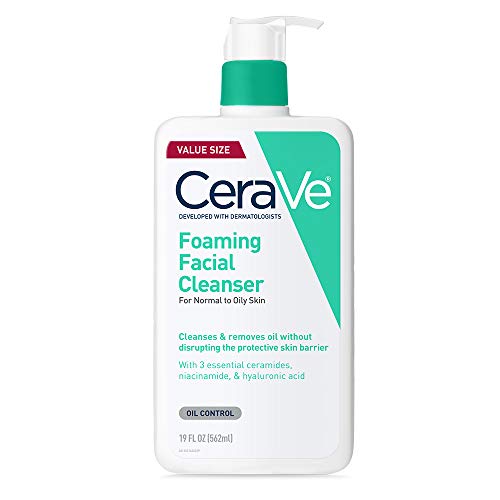
CeraVe Foaming Facial Cleanser
Active, PM
Regulates oil and calms blemish marks
The Ordinary Niacinamide 10% + Zinc 1%
Exfoliate, 2-3x a week
Clears the pore lining, not the surface
Paula's Choice 2% BHA Liquid
Moisturize, AM and PM
Oil-free hydration so skin stops over-producing
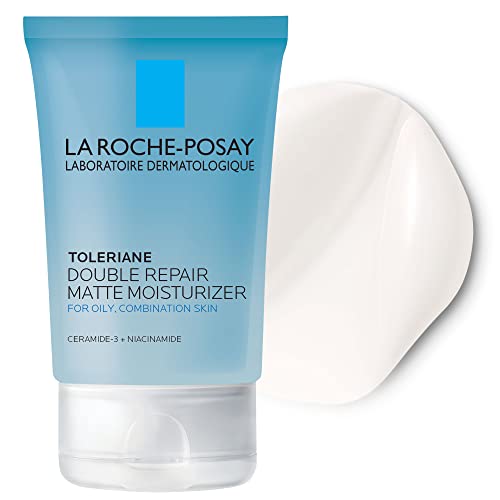
La Roche-Posay Effaclar Mat
Sunscreen, AM
Zinc oxide, matte, no fragrance
EltaMD UV Clear SPF 46
Five steps, and only two of them are optional on any given day. The sequence matters less than the restraint: the single most common mistake in oily skin is adding a sixth, seventh and eighth product in the hope of drying the oil out.
What Makes Oily Skin Worse
Washing more than twice a day. The AAD caps it at twice daily plus after sweating, and says not to scrub even when removing makeup.
Alcohol-based or oil-based cleansers. Both are on the AAD's do-not list; a gentle foaming wash is the recommended format.
Rubbing blotting papers. Press and hold for a few seconds instead — rubbing spreads oil to areas that were dry.
Sleeping in makeup, and touching your face through the day.
Fragranced or oil-containing sunscreens. The AAD names zinc oxide and titanium dioxide and says to avoid filters carried in fragrance or oil.
Oily skin also has advantages worth not destroying: the AAD notes that it tends to be thicker and to show fewer wrinkles. The goal is balance, not a shine-free face.
Getting this right changes the routine. Genuinely oily skin wants oil control and a light moisturizer; dehydrated skin that happens to shine wants humectants and will get worse on the same products. If congestion rather than shine is the complaint, large pores and acne are the closer guides.
Which Active, and Why
Two actives earn their place in an oily routine. Niacinamide supports the barrier and is the one to start with, because it is tolerated alongside almost everything — the niacinamide monograph covers the evidence, and there is a dedicated roundup of niacinamide for oily skin. Salicylic acid is oil-soluble, so it works inside the pore rather than on top of it; see salicylic acid.
Use one at a time for the first month. If you want both, niacinamide in the morning and BHA at night is the usual split. Niacinamide vs salicylic acid sets out which to choose when you only want one.
1 — The twice-daily cleanser
CeraVe Foaming Facial Cleanser
What’s in it
Gel-to-foam wash for normal to oily skin
Contains three ceramides, niacinamide and hyaluronic acid, per the brand
Fragrance-free; 16 fl oz
A gentle foaming wash is the format the AAD recommends for oily skin, and this one adds barrier lipids back rather than only taking oil away.
Who it’s not for
Anyone who wants a cleanser that also exfoliates — this one does not.
The cheapest way to put a meaningful niacinamide concentration into an oily routine, and the concentration is printed on the bottle rather than implied.
Who it’s not for
Skin already using a strong acid or retinoid nightly — add this on alternate days instead.
The reference BHA liquid: a published 2% concentration in a leave-on vehicle, which is what distinguishes it from a salicylic wash that rinses off in twenty seconds.
Who it’s not for
Skin that is oily but not congested — there is nothing here for shine alone.
Zinc oxide is one of the two filters the AAD names for oily skin, and this is the rare SPF that oily skin will actually reapply because it does not feel heavy.
Who it’s not for
Anyone wanting a fully mineral sunscreen — this one is a hybrid.
Both promise to take oil away, and both work for about three hours. Alcohol-heavy astringents and everyday clay strip the barrier, which prompts more sebum, not less, and the AAD explicitly lists alcohol-based cleansers among the things not to use on oily skin. A clay mask once or twice a week is fine — see [clay masks](/products/best-clay-mask) — but it is not a step in a daily routine.
Frequently Asked Questions
Up to twice a day and after sweating, per the American Academy of Dermatology. More than that makes oil production worse, not better.
Yes. The AAD recommends moisturizing after cleansing regardless of skin type; choose one labeled oil free and noncomedogenic.
Niacinamide for shine and barrier support, salicylic acid for clogged pores. Start with one, and see niacinamide vs salicylic acid.
A matte, fragrance-free formula with zinc oxide or titanium dioxide. The AAD names both filters and advises against sunscreens carried in fragrance or oil.
No. Oily skin is a sebum-production trait, not a hygiene problem. Stripping it triggers rebound oil and a damaged barrier.
The AAD notes that oil helps preserve skin, and that oily skin tends to be thicker and show fewer wrinkles.
By Sawyer V.. An enthusiast who’s genuinely into this: I read the manufacturer documentation, compile the published percentages, and do the arithmetic. No lab coat.
What I don’t do: test products, accept free product, or accept payment for placement. I hold no clinical credential and don’t claim one. How we pick.
Published October 7, 2026 · Last updated October 7, 2026